The essentials
Contents or buildings: freestanding and built-in kitchen appliances
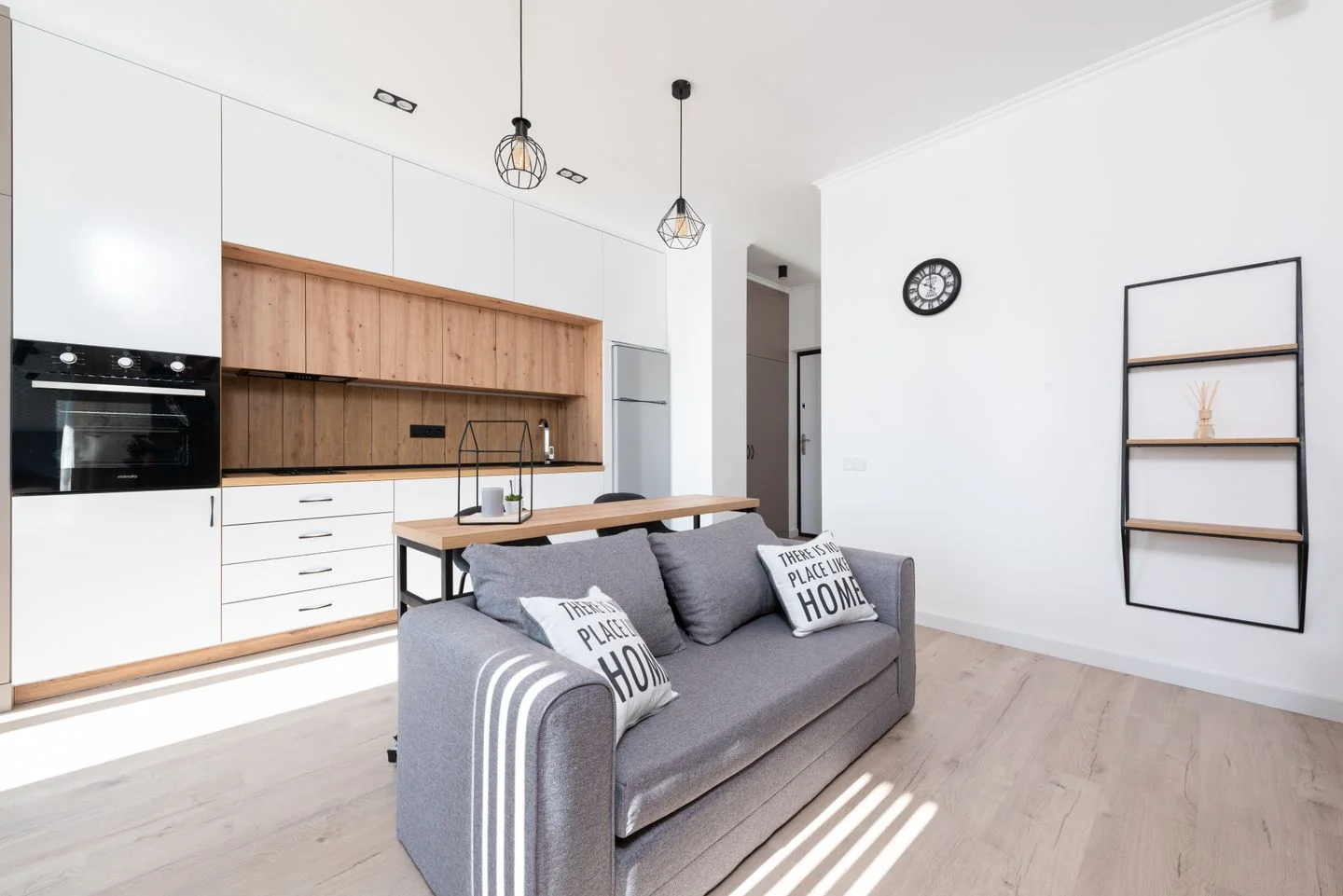
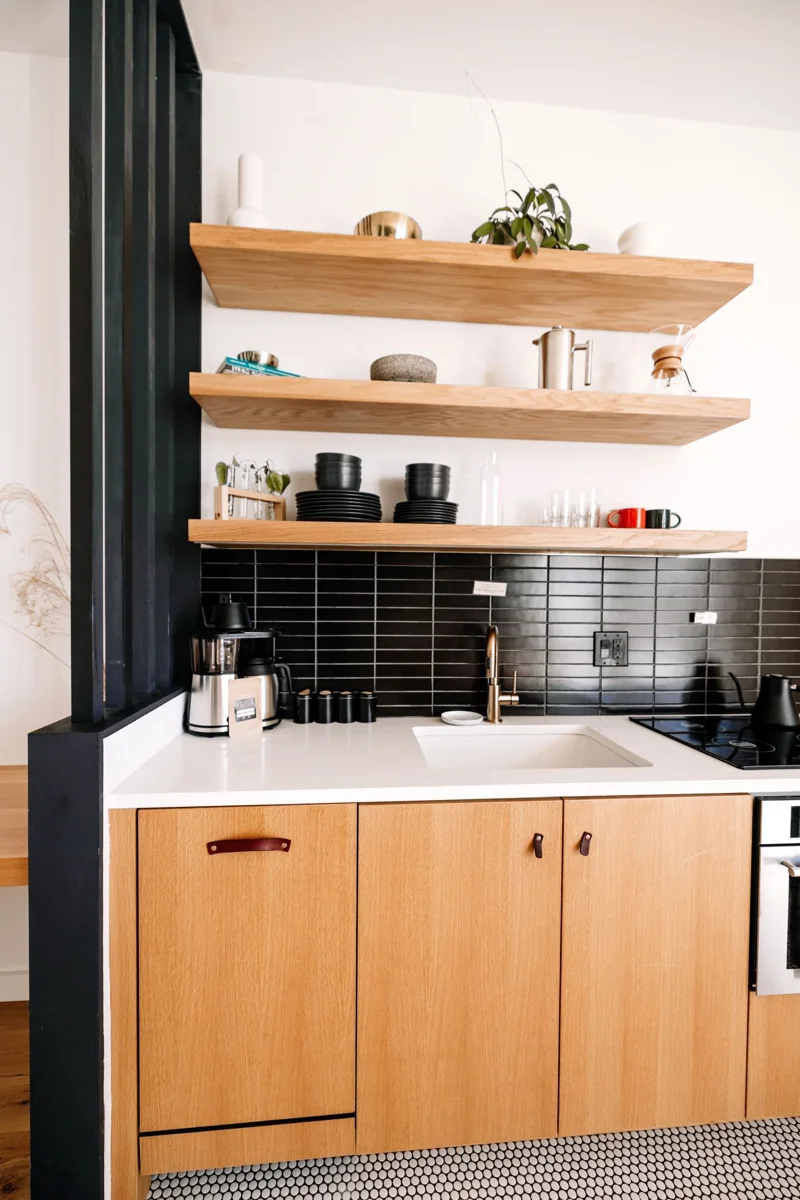
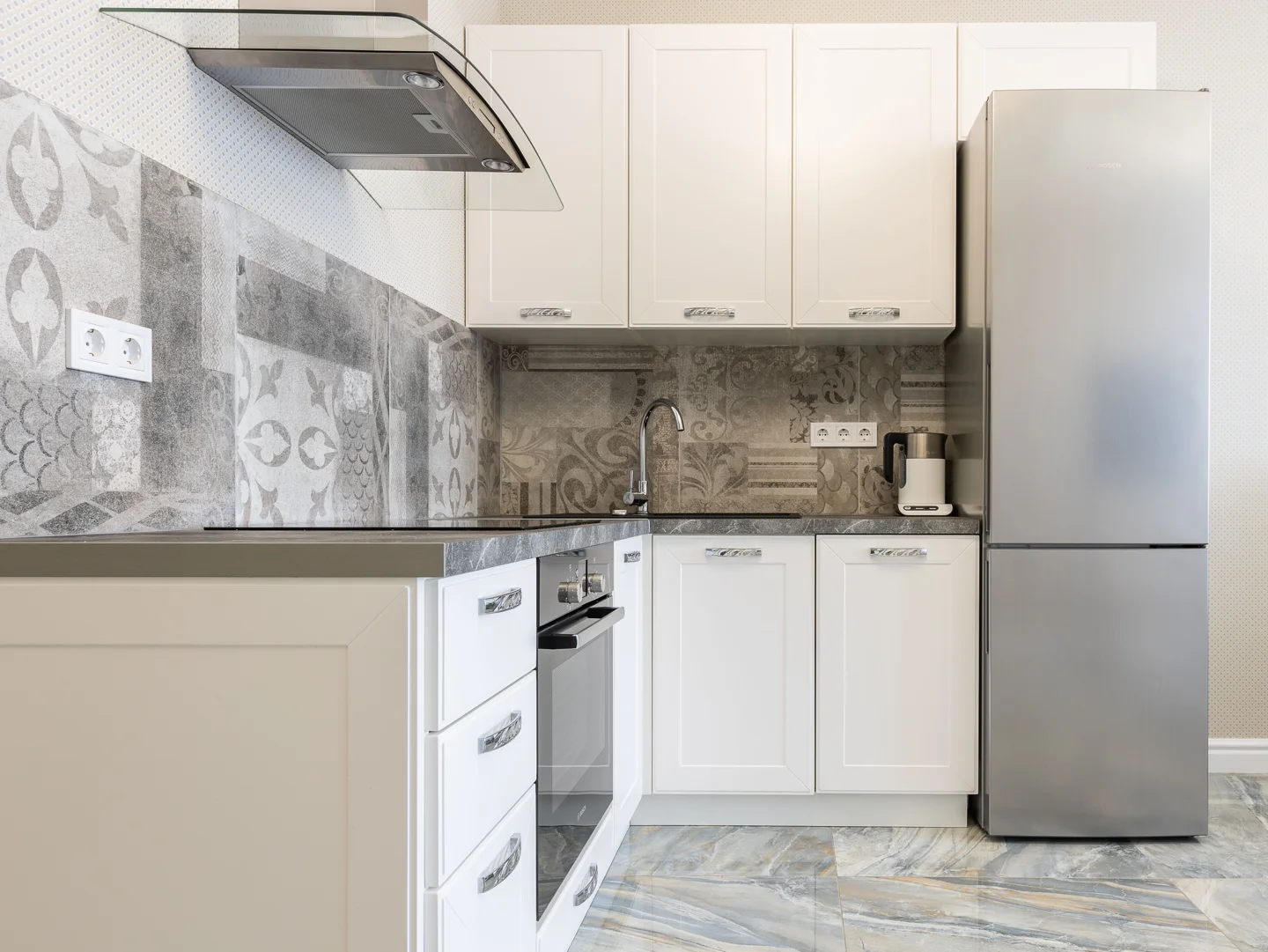
Use a freestanding fridge and a built-in oven to examine the boundary between belongings, building components and the wording of a policy.
Search the topics or choose a category.
No articles found. Try a different word.
Use a freestanding fridge and a built-in oven to examine the boundary between belongings, building components and the wording of a policy.
An object, an event and a loss amount are separate parts of an assessment.
Compare event wording and exclusions rather than relying only on a package name.
An excess belongs to the calculation of a covered loss rather than proving that the event is insured.
An insured amount needs a picture of the whole household rather than only its most memorable purchases.
An underinsurance guarantee has a specific purpose and does not replace the remaining policy conditions.
Purchase price, replacement value and current value can be three different figures.
A depreciation table assists valuation without independently deciding whether damage is insured.
A repair proposal and a replacement proposal answer different questions about the same damaged object.
A limit for jewellery or another category differs from the overall contents amount.
The address on a schedule begins a location enquiry rather than describing every place where your belongings are kept.
The policyholder and other insured persons are not automatically the same group as everyone present in the home.
Borrowed equipment needs an ownership, use and location description alongside the policy wording.
For belongings with personal and business uses, purchase, ownership and purpose are separate questions.
An everyday word may receive a more precise contractual meaning than it has in conversation.
A summary, a personal schedule and full wording each perform a different reading task.
An exclusion concerns something outside cover; a maximum concerns a ceiling within a relevant arrangement.
The moment you discover damage does not automatically establish how quickly it developed.
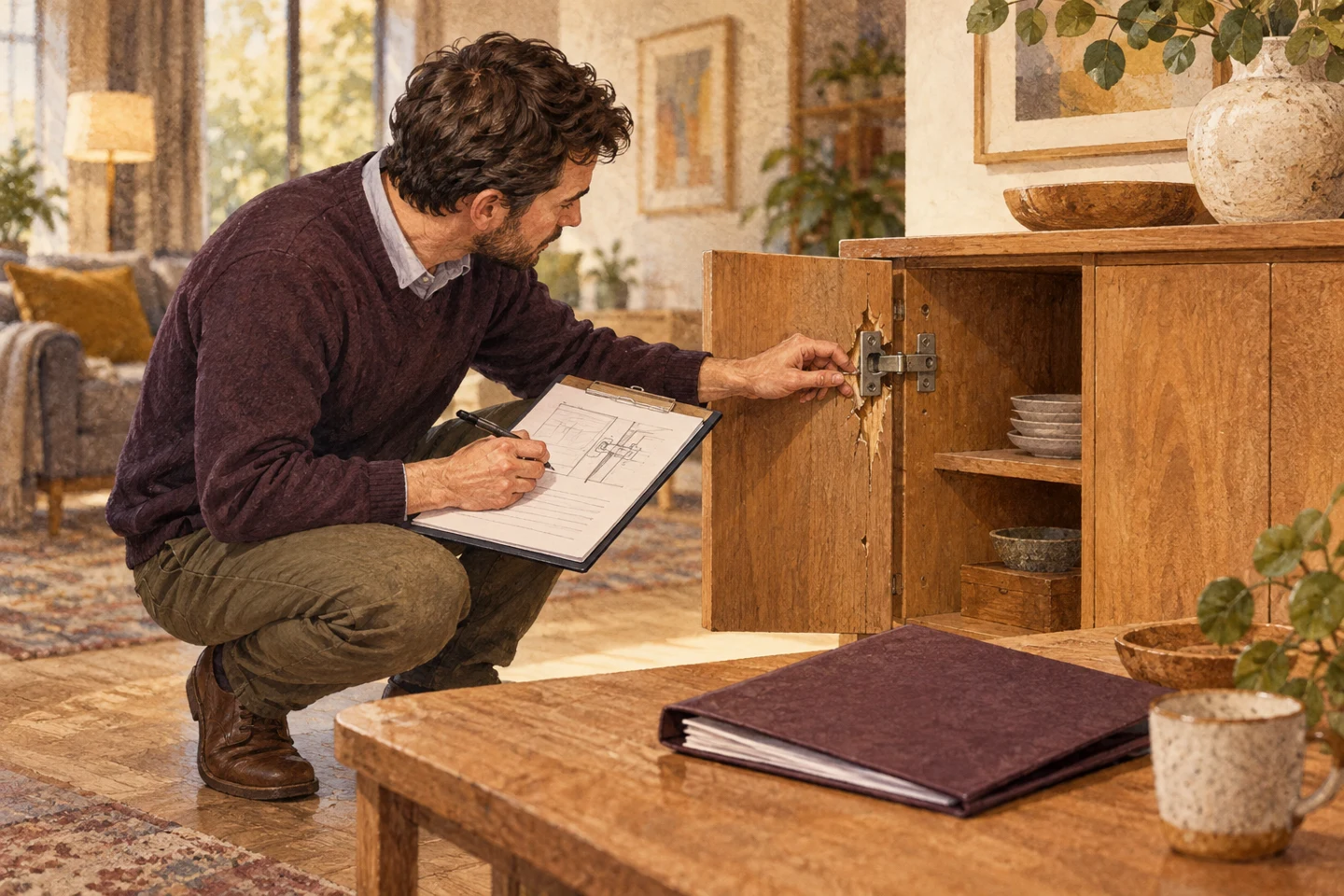
Existing signs of use and new damage each deserve their own description.
Photographs and payment records can support different facts without creating insurance cover by themselves.
The same spilled drink raises a different question when the laptop belongs to you or to somebody else.
Taking an item elsewhere changes the location question even when ownership and use remain unchanged.
A drinking glass and a window pane share a material without necessarily sharing an insurance classification.
A prevention tip, a discount and a mandatory endorsement may mention the same measure for different reasons.
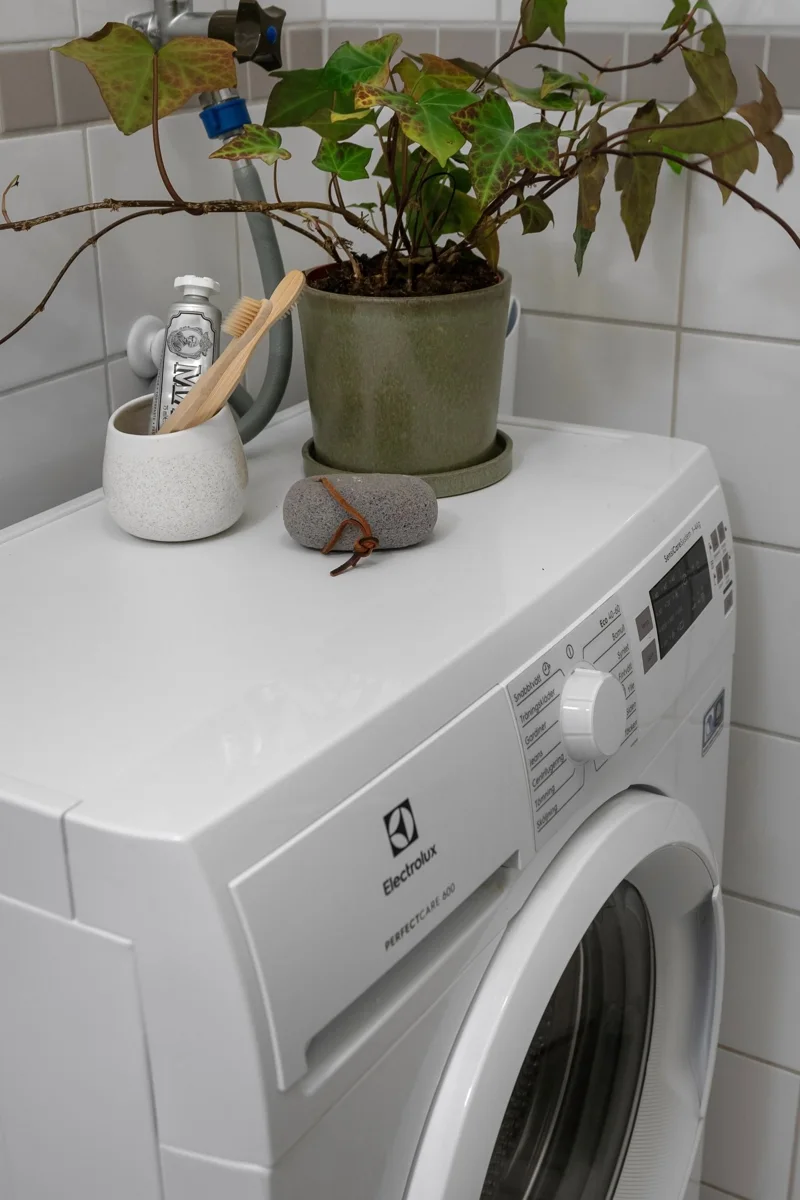
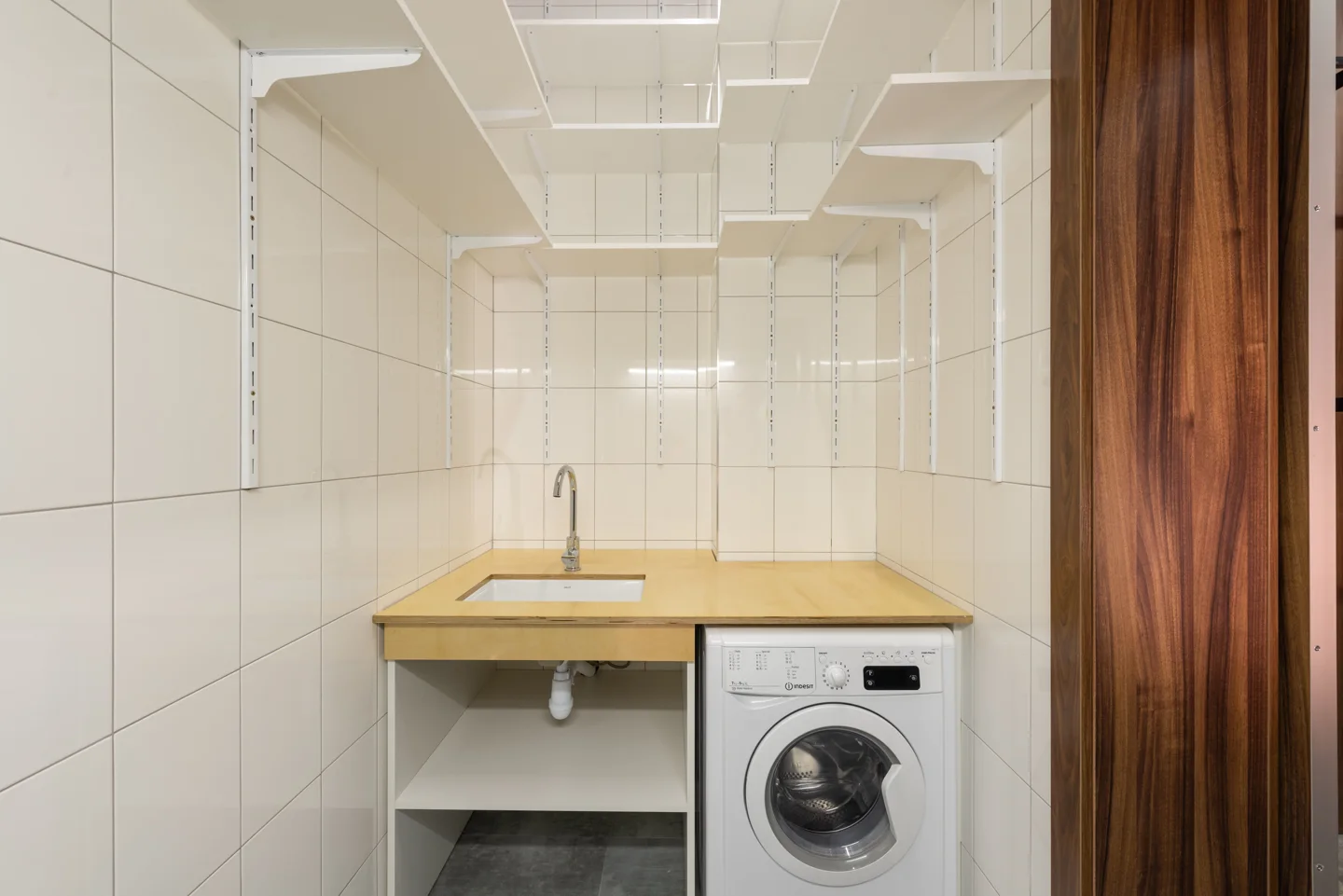
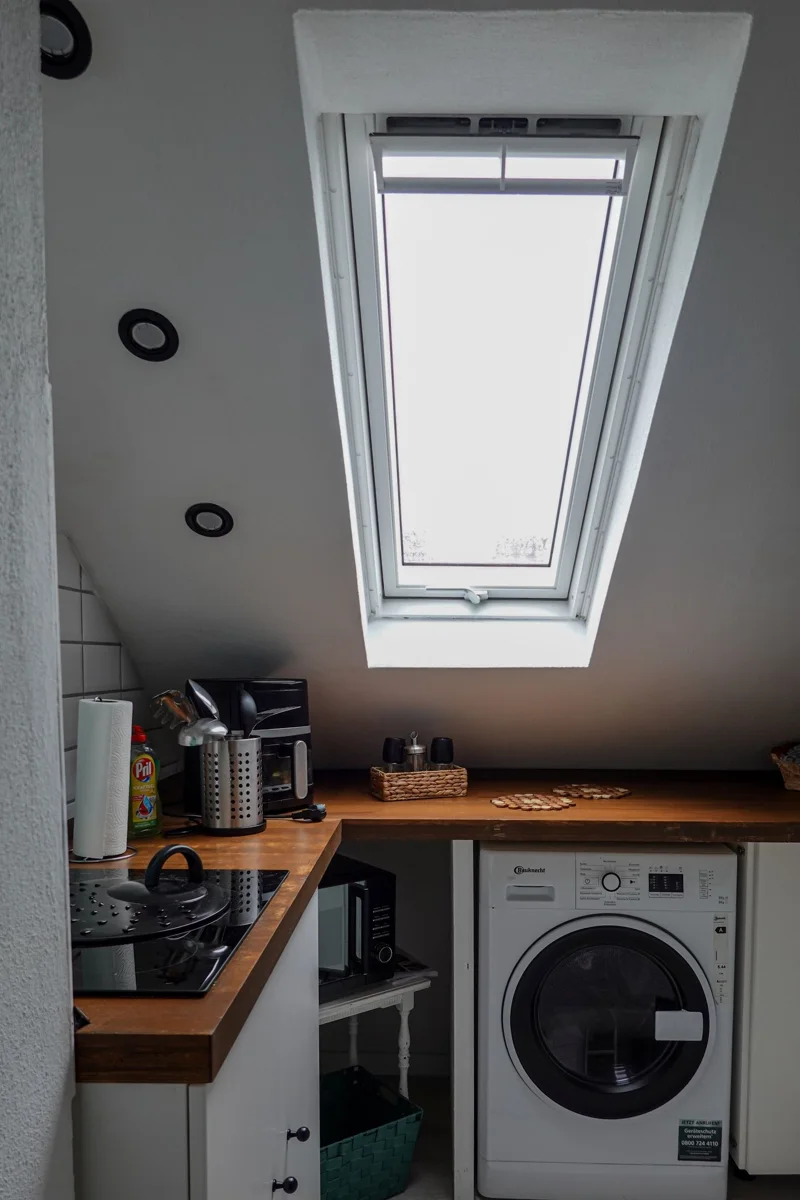
A leaking washing machine raises separate questions about repairing the appliance, damaged possessions, and damage to the building.
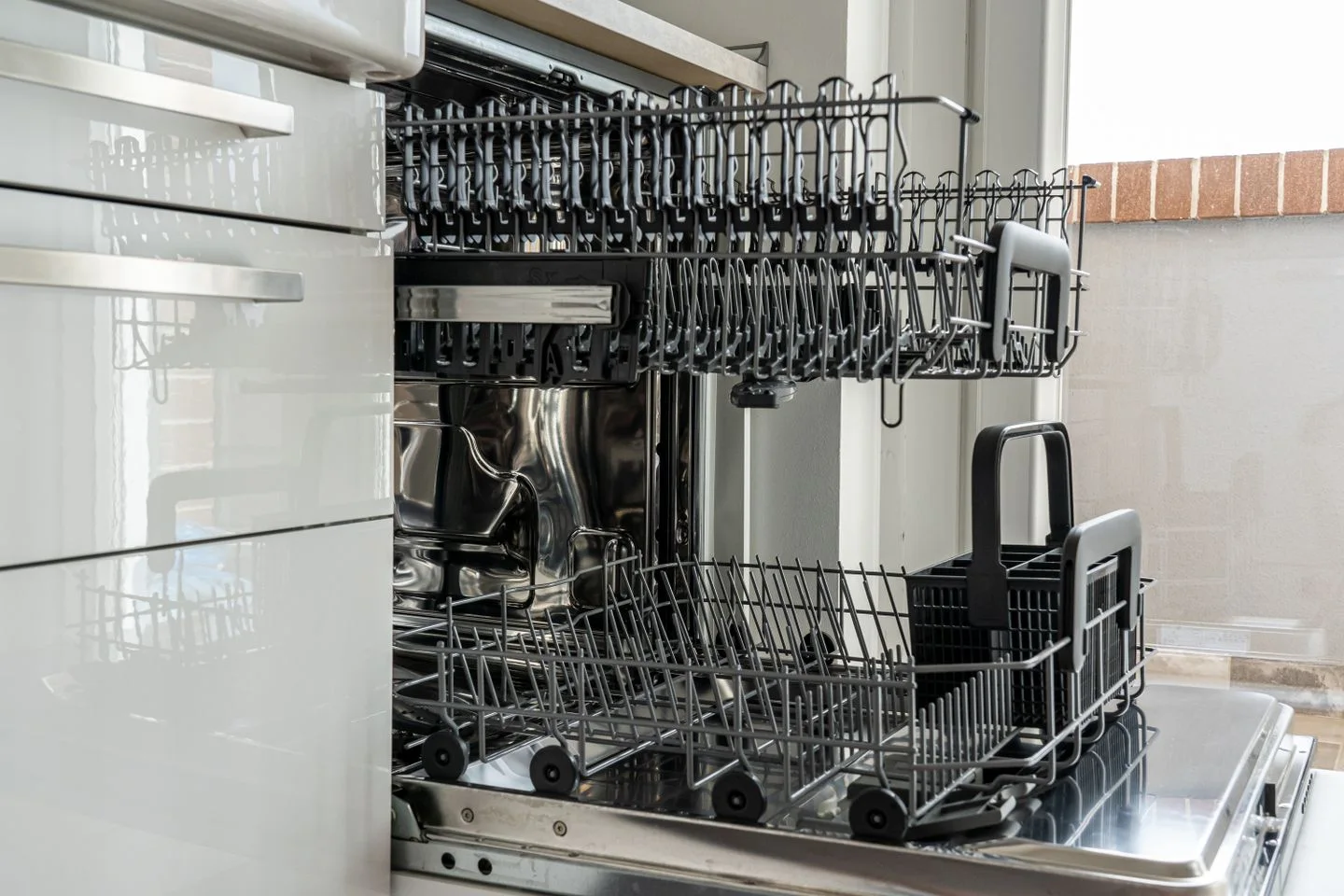
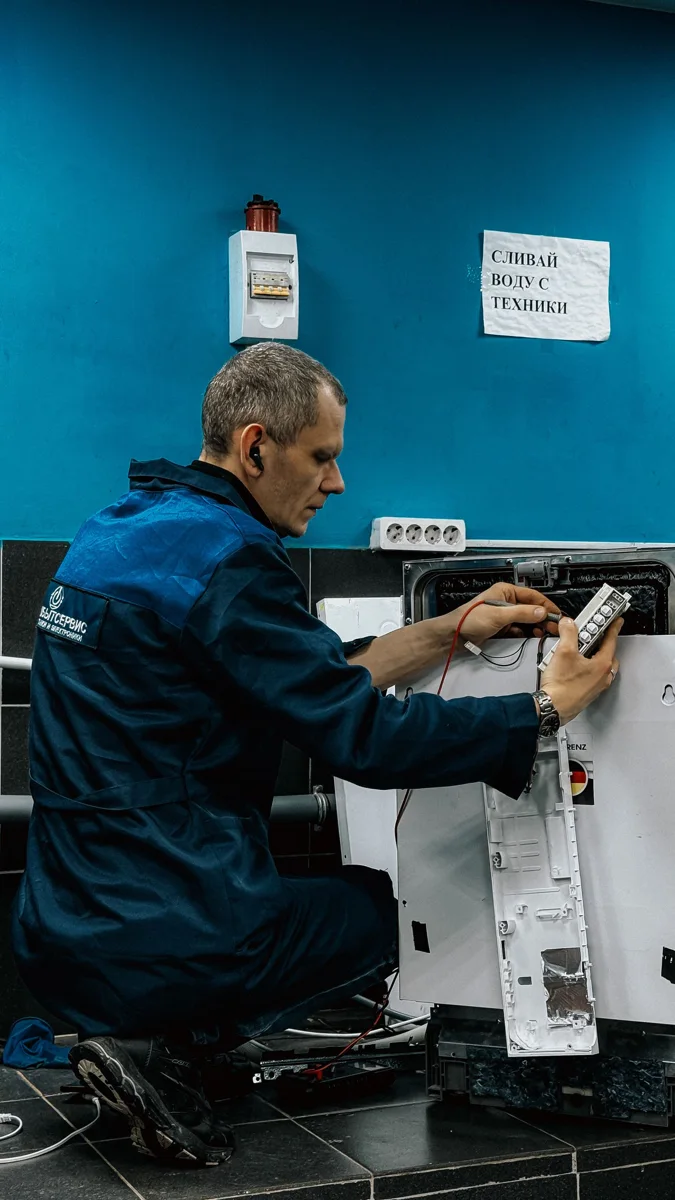
A dishwasher leak can affect the appliance, possessions, and fixed kitchen parts; assess those items separately.
A burst pipe, investigation work, and damaged belongings should not automatically become one unexplained cost total.
The roof defect and damage below need different descriptions and evidence, and may involve different policies.
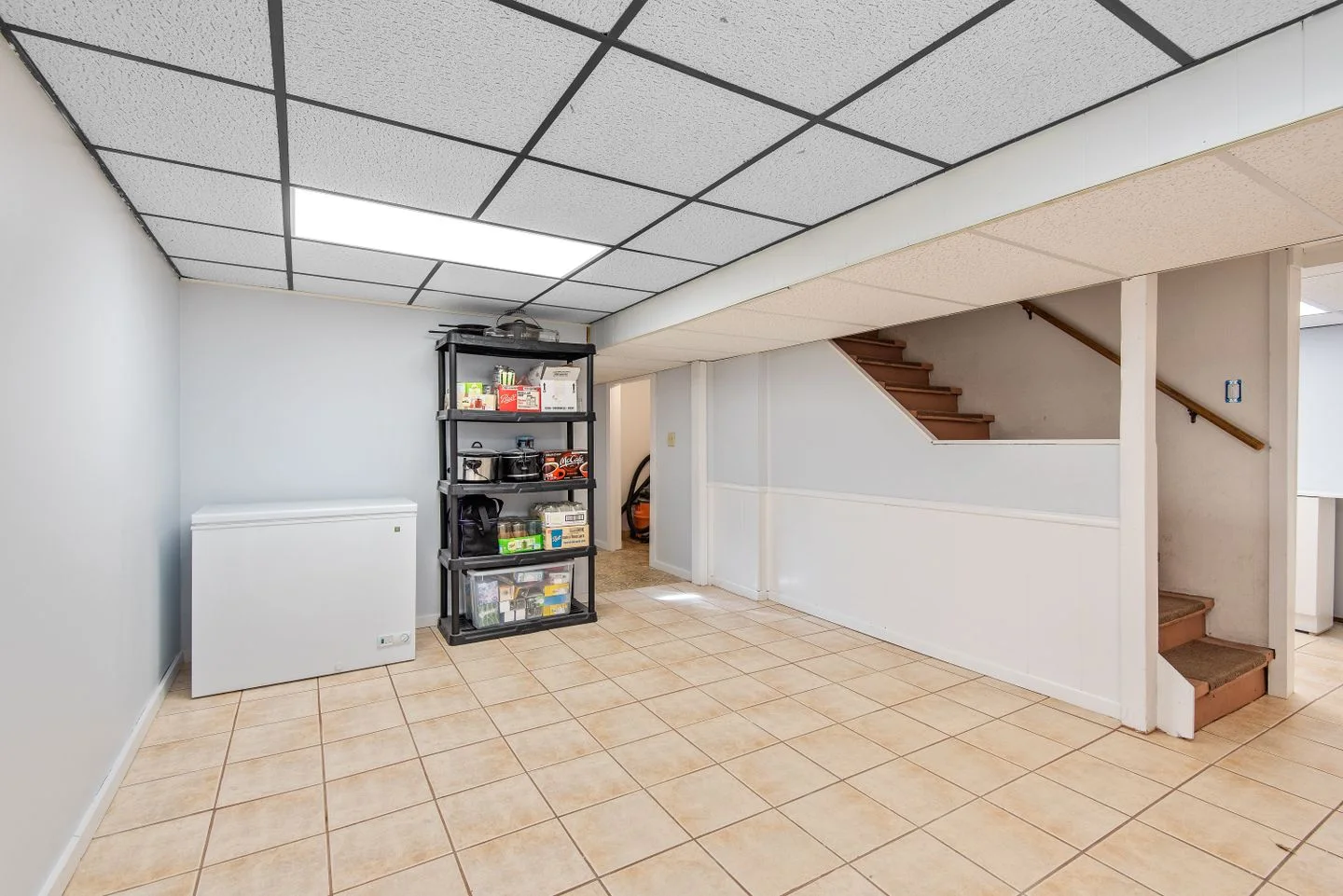
Basement water can have different sources; describe it as groundwater only when there is a factual basis.
An open window can raise a different policy question from broken glass or a defective connection.
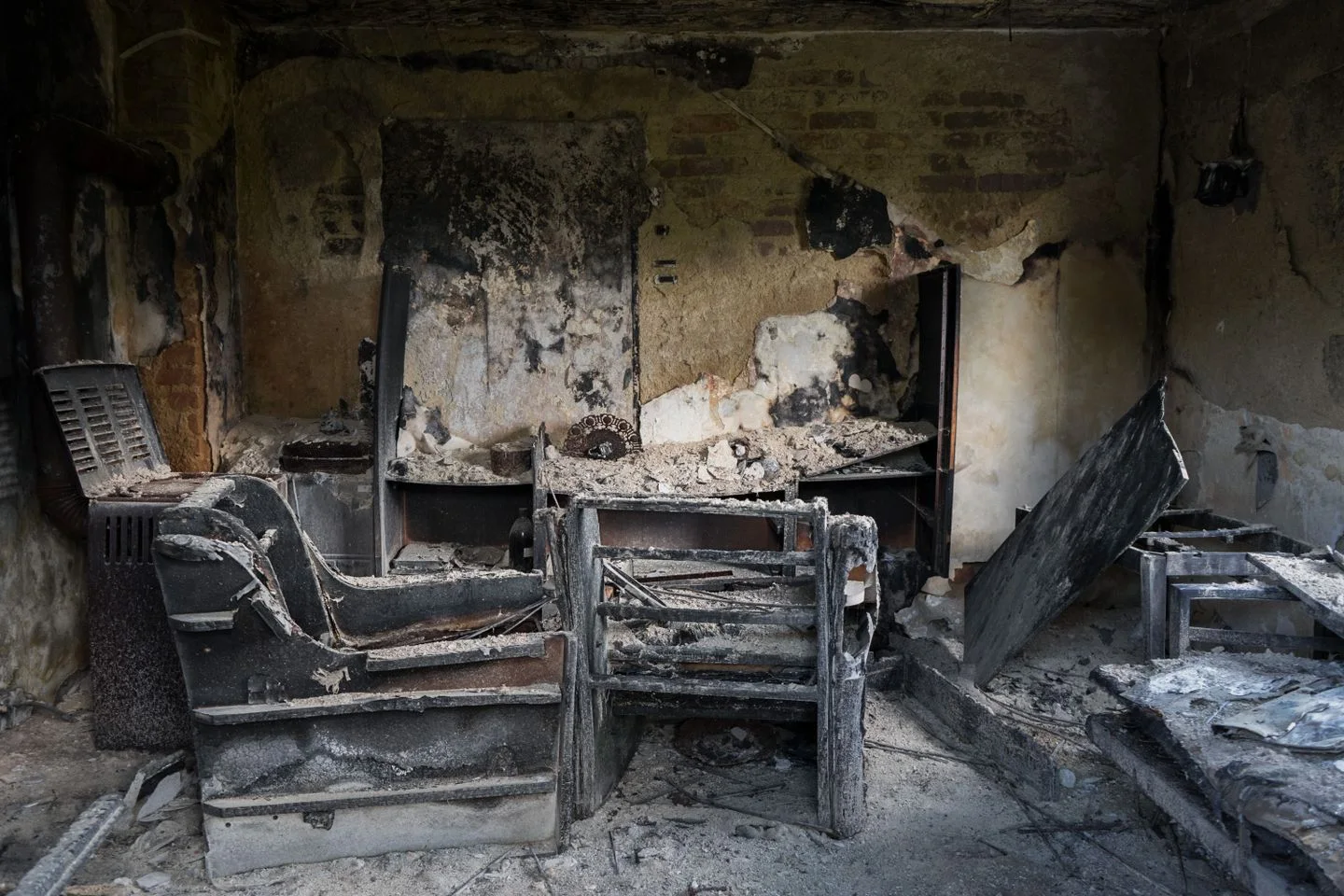
After a kitchen fire, safety comes first; separate records for possessions, fixed kitchen parts, and response costs help afterward.
Smoke and soot damage needs a description of source, spread, and affected possessions, even when those objects did not burn.
Firefighting can also wet furniture, textiles, and other belongings; record those effects alongside the fire damage.
A burglary report concerns missing belongings and entry damage; police investigation and insurance assessment have different purposes.
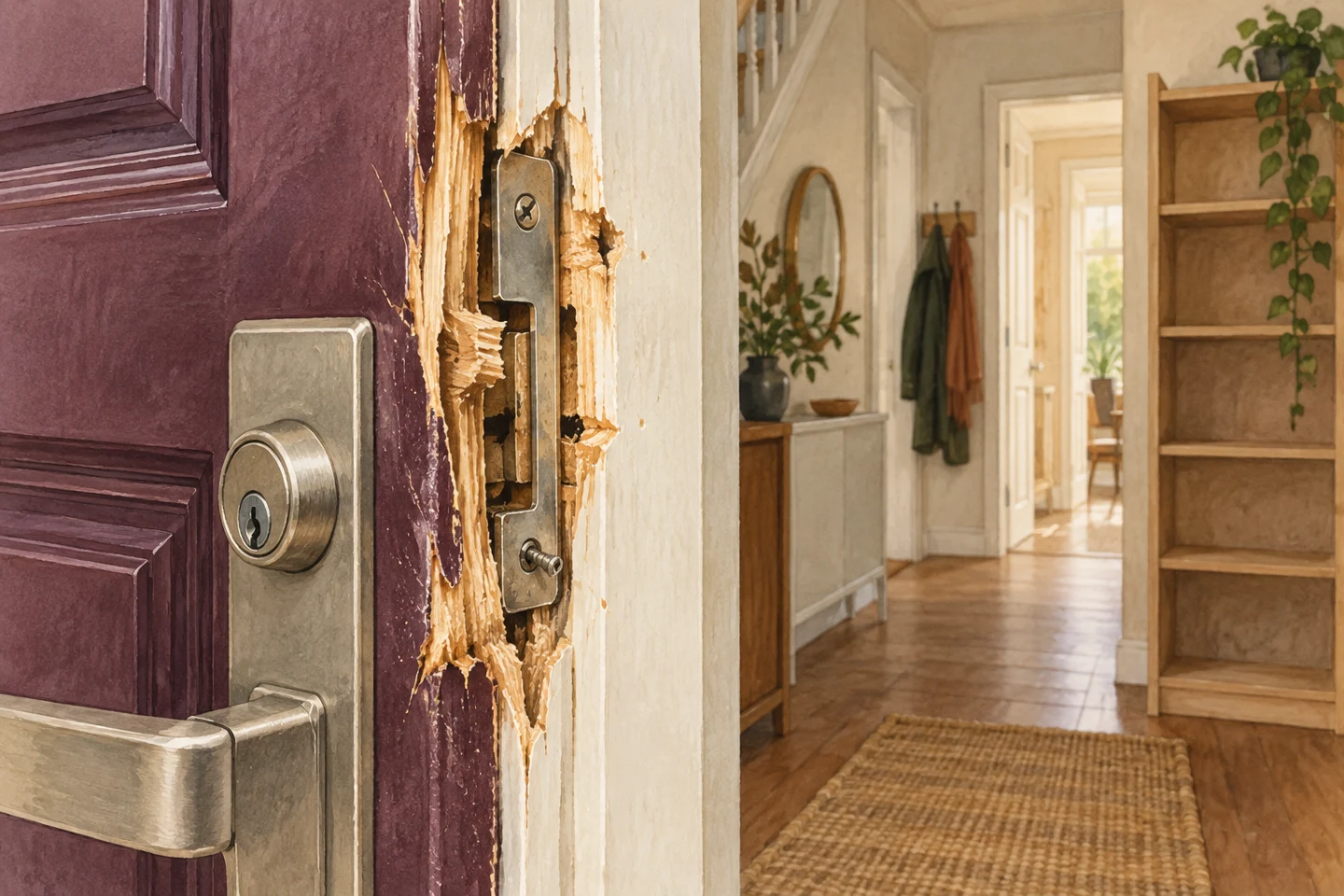
No visible forced-entry marks is an observation, not a complete description of the theft or applicable cover.
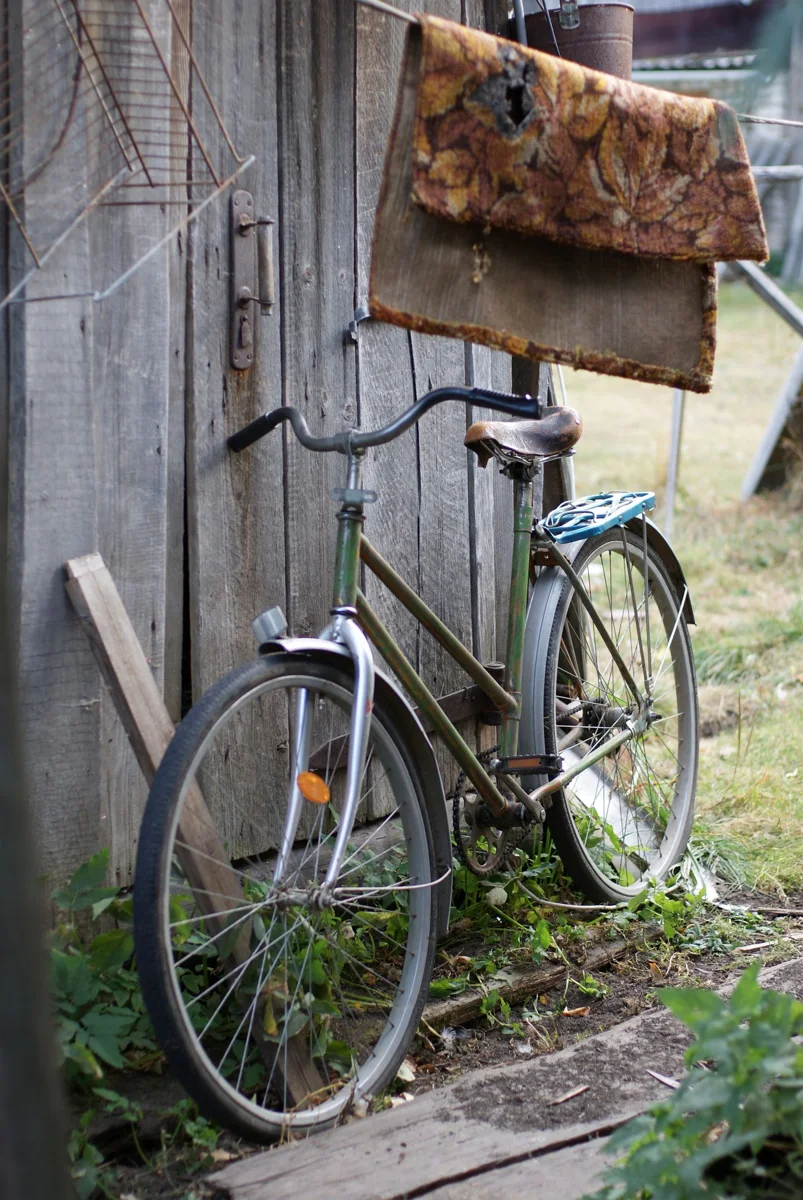
A stolen bicycle needs a record of the bicycle and the shed where it was stored.
For storm-damaged garden furniture, the object, outdoor location, and event are separate questions.
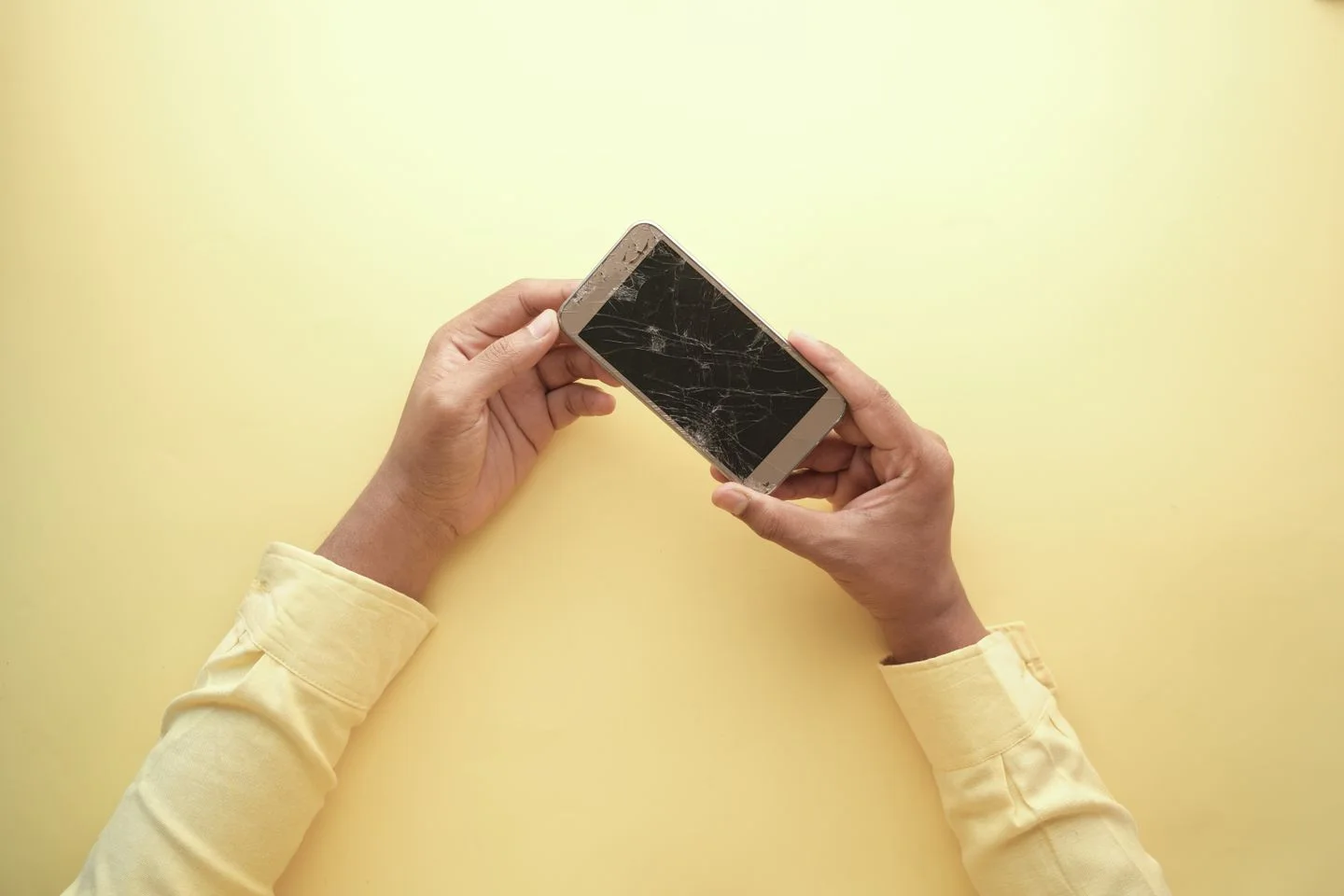
A broken phone screen first requires the right event description and the right policy section.
Describe the spilled drink as an event, while the repairer separately records the technical findings.
For a knocked-over television, the sequence, device category, and repair assessment matter more than the label accident.
Scratching, chewing, and knocking something over are different events; read the pet wording alongside the incident.
When a child breaks something, first identify the object's owner and the actual sequence of events.
A visitor can cause damage before the correct insurance route is clear.
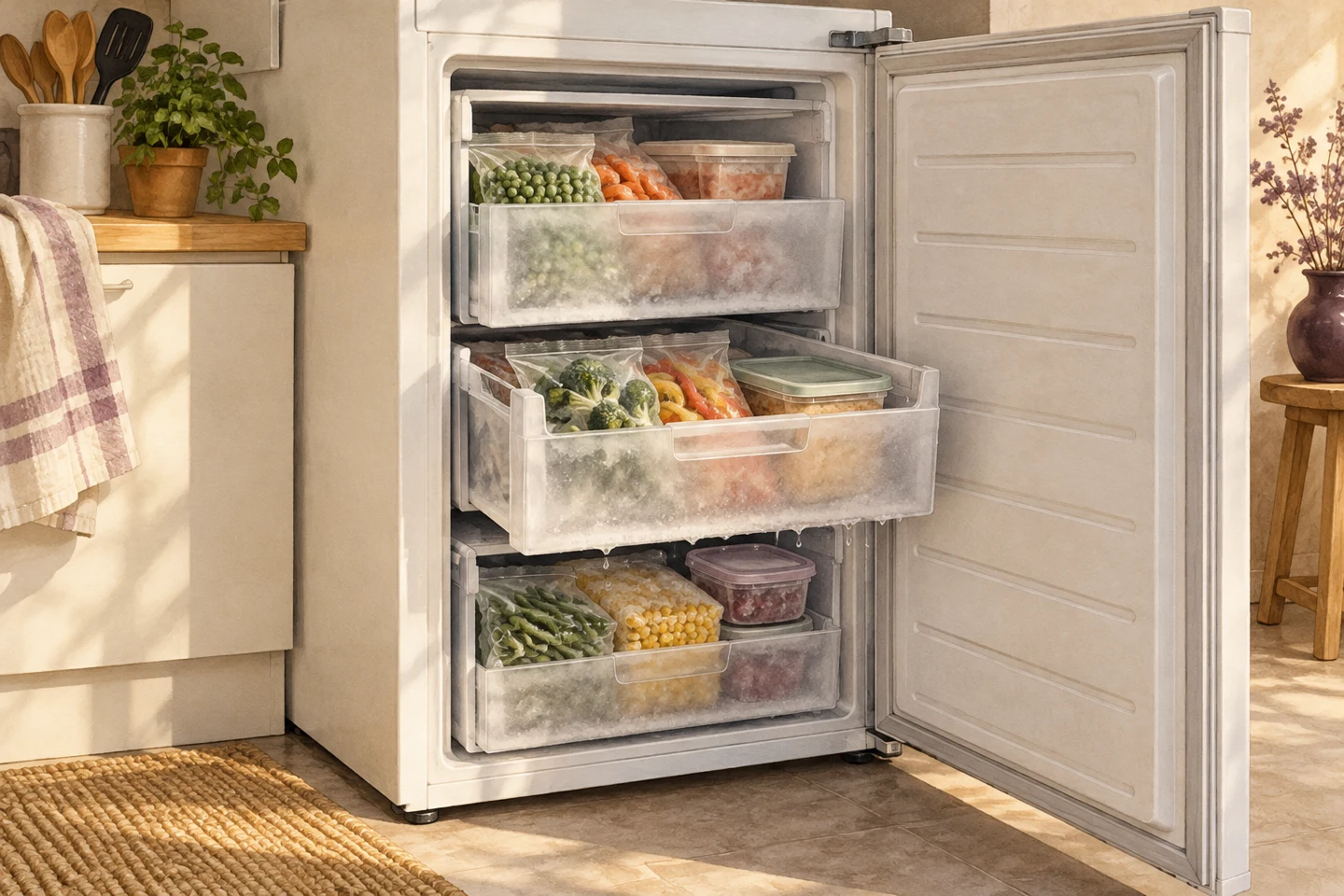
A freezer failure can create several loss items, each needing its own explanation and evidence.
Electronics failing after a thunderstorm need a timeline and technical findings, rather than just the label lightning.
For vandalism, access, ownership, and the individual damaged items need to remain identifiable.
A missing key, emergency opening, and replacement lock are three different questions in a claim file.
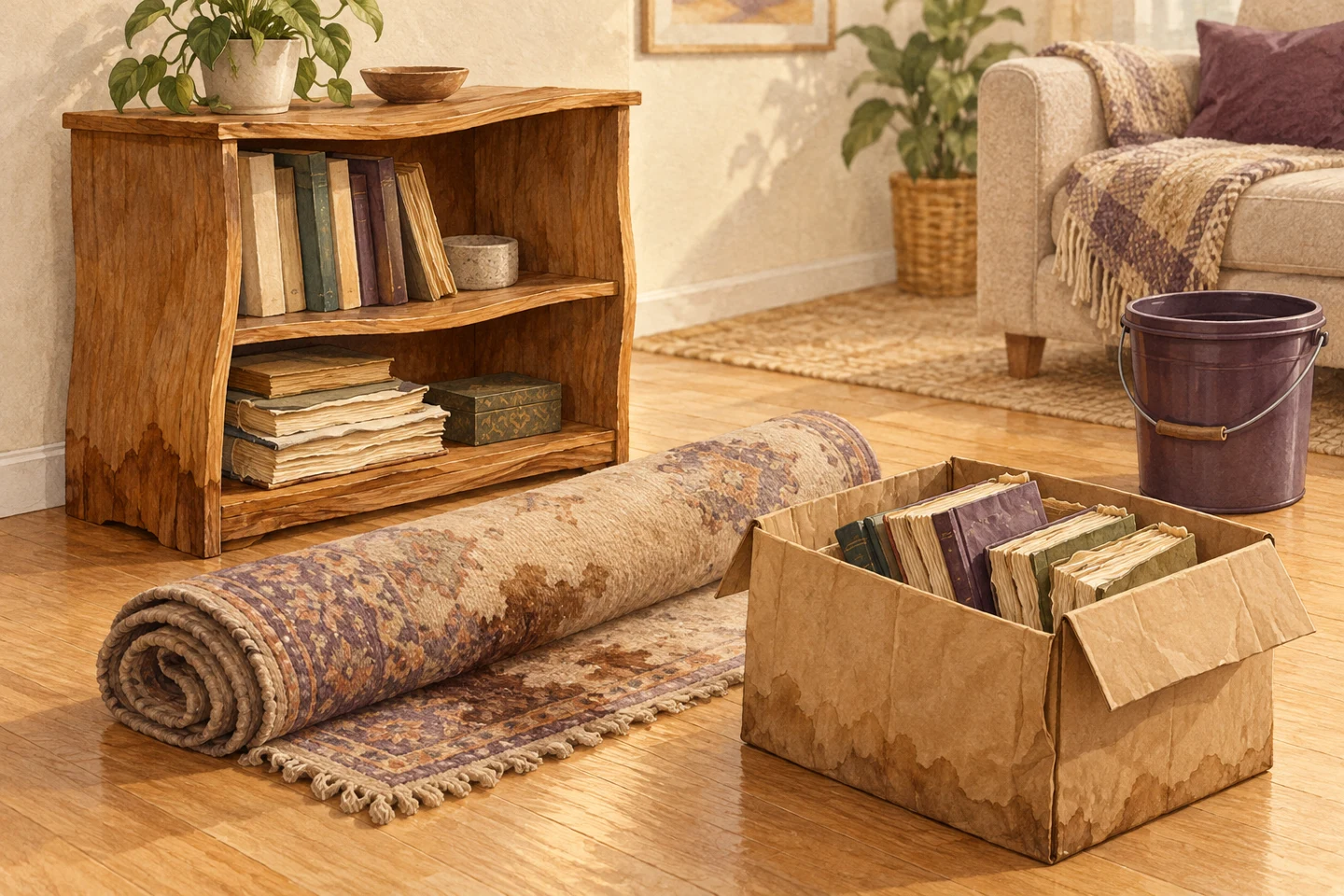
For wet laminate, identify installation, ownership, and the affected layers before choosing an insurance category.
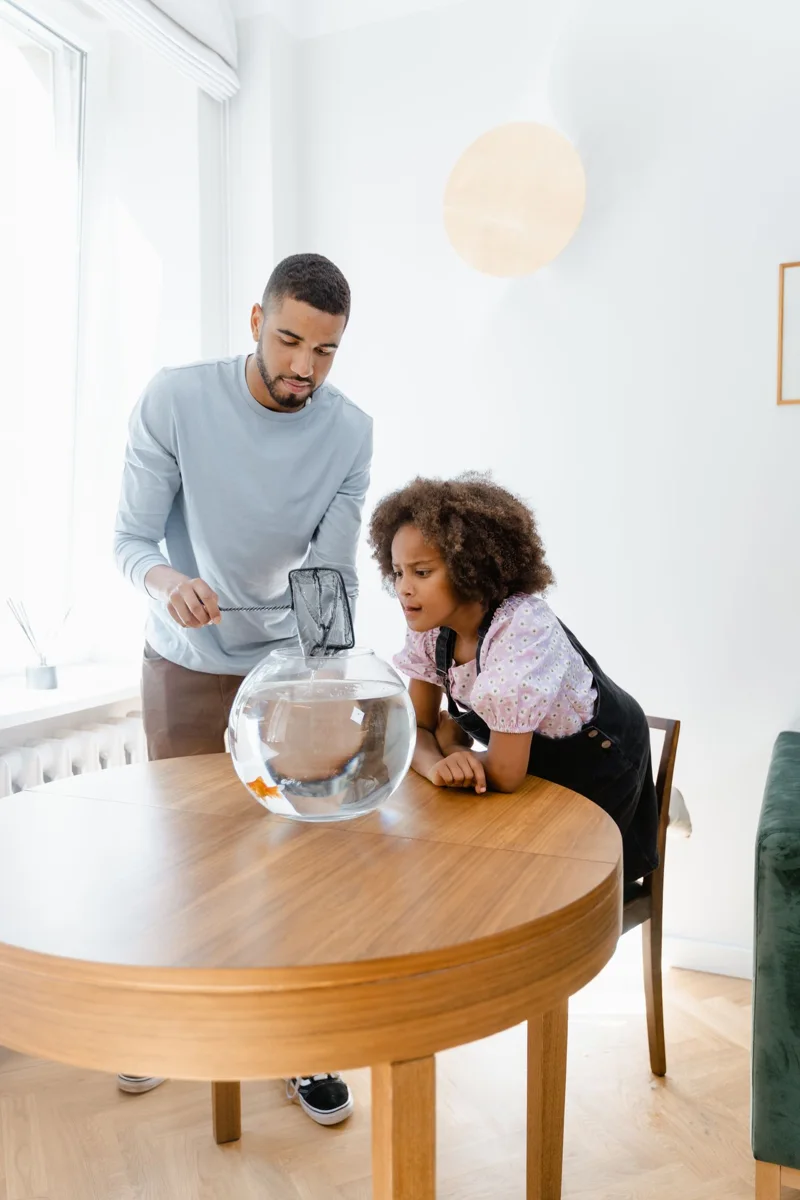
With an aquarium leak, the tank, escaped water, and affected belongings are separate parts of the account.
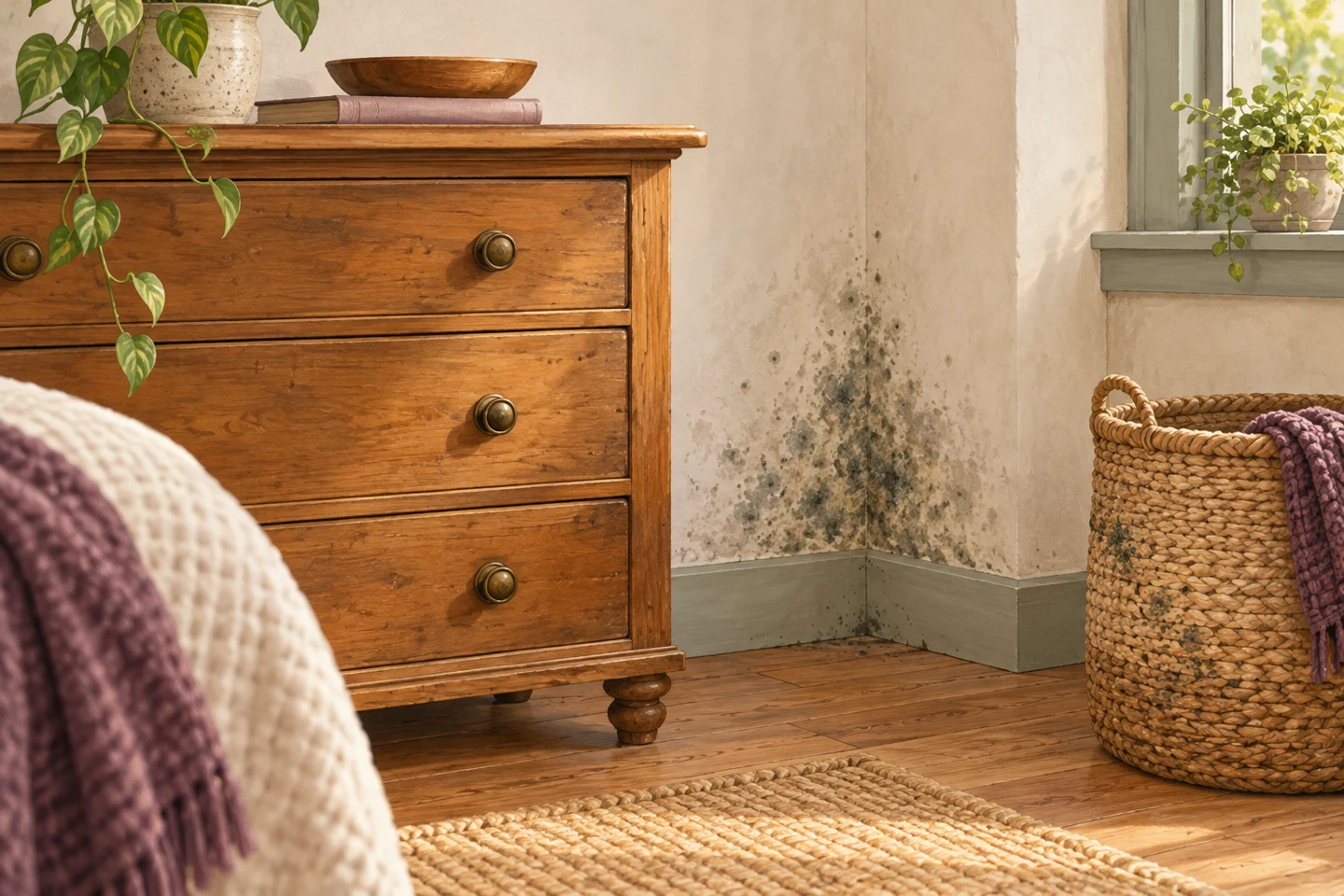
For mould on belongings, the development of the moisture problem matters alongside the discovery date.
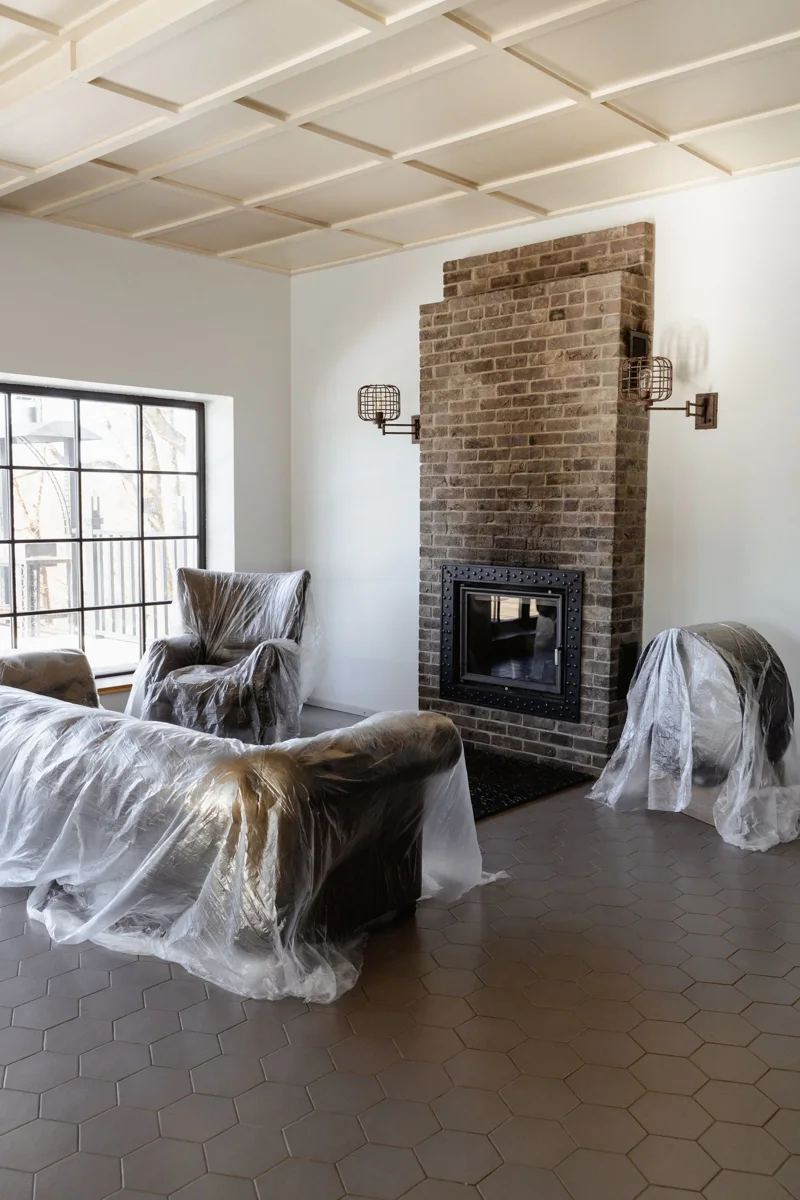
Dust during renovation needs a specific event, the existing arrangements, and an assessment of each object.
Belongings inside a car require a different location enquiry from possessions inside the home.
Fixed improvements paid for by a tenant do not automatically follow the same insurance arrangement as the original fitted kitchen.
An upgraded kitchen in an owned apartment raises the relationship between individual improvements and the association's building policy.
A collective building policy and personal contents insurance answer different questions behind the same apartment door.
Sharing an address does not establish who owns each item or who belongs to the same insured household.
A private room, shared kitchen and communal bicycle area raise separate questions about ownership and location.
A furnished rental often contains belongings owned by both tenant and landlord; a handover inventory makes the distinction visible.
When letting a room, the resident owner's possessions, the tenant's belongings and shared spaces remain separate subjects.
Combining two established households requires more than adding together two old inventories.
When a household separates, keep ownership, physical location and moving dates distinct.
A child may still belong to the family while belongings kept at another address raise a separate contents question.
For a home workstation, ownership of the laptop, monitor and chair matters alongside the room where they are kept.
A washer in a communal laundry can remain personally owned, while the room itself needs a separate location check.
With a hired household appliance, the rental agreement, ownership and possible insurance cover run alongside one another.
For floor coverings, material, installation method and relationship to the building are separate starting points.
Curtains, roller blinds and fitted shutters may dress the same windows while needing different descriptions.
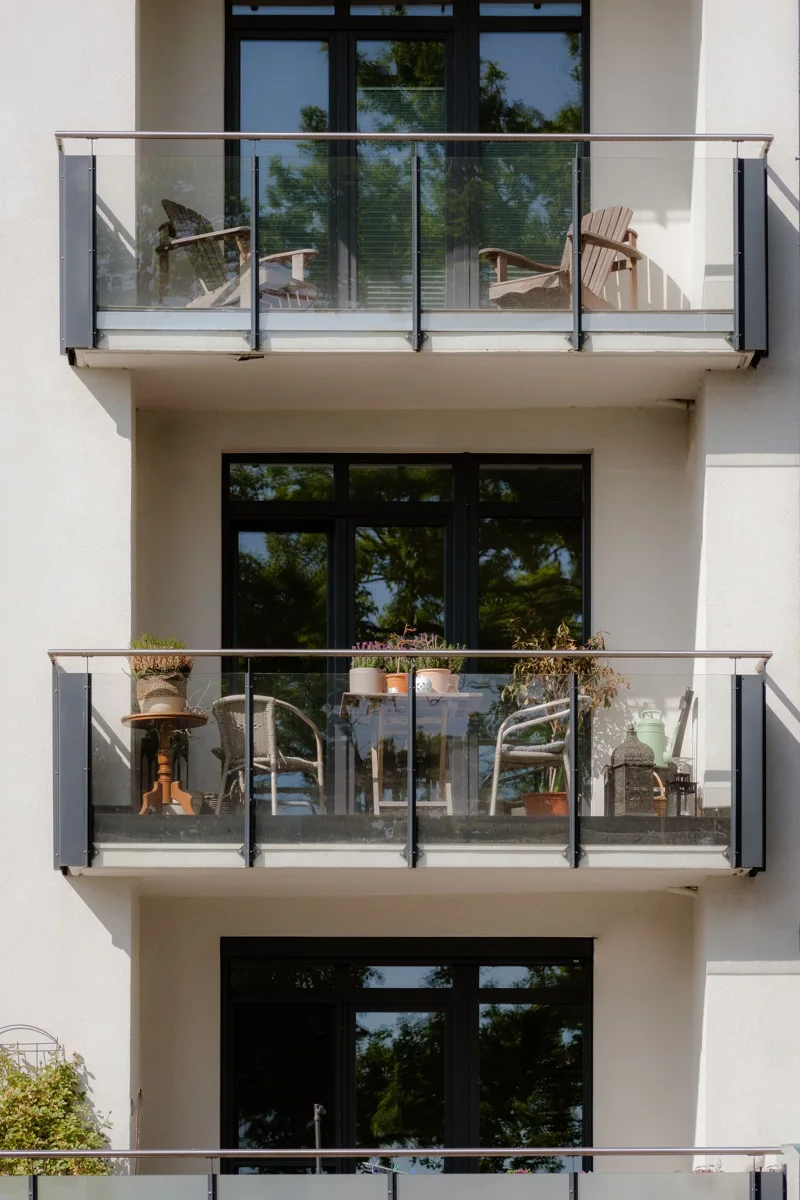
A balcony is part of everyday home life, but belongings and fixed balcony structures raise different insurance questions.
A garden contains movable belongings, fixed structures and plants; they do not need one combined insurance classification.
For possessions in a shed, first establish which shed is meant and how it relates to the insured home.
A garage beside the home and a garage unit elsewhere can serve the same purpose while raising different policy questions.
For external storage, assess the address, type of space, duration and contents together; a home policy does not automatically travel with the boxes.
A second home contains its own belongings at another address; the main residence does not automatically provide the insurance framework.
Remaining at home during renovation does not fully describe how rooms, access points and stored belongings are being used.
A home can remain fully furnished while temporarily unoccupied; empty rooms and absent residents describe different features.
When living and working under one roof, describe the space in terms of the activities and belongings actually present.
Organising belongings by room makes a large collection manageable, provided individual objects remain identifiable and supporting records can be found.
A useful furniture record distinguishes versions, separate components, and the purchase information actually available.
Use checkable groups for clothing and describe distinctive pieces separately, so a full wardrobe does not become one unexplained collection entry.
A kitchen record is clearer when portable appliances, cookware, and fixed components are not combined without distinction.
Record a computer setup as separate objects with clear links, so screens, peripherals, and replacements do not disappear into one collective label.
A camera kit is easier to identify when its body, lenses, and accessories are recorded separately and shared purchase documents are linked accurately.
A collection is easier to describe when ordinary groups are separated from individually identifiable editions and the actual contents of sets remain clear.
An instrument record connects identifying features with purchase, maintenance, and appraisal documents without turning those records into a self-declared insured value.
Separate equipment, reusable tools, material supplies, and personal creations so different kinds of belongings do not disappear into one hobby total.
Keep machines, sets, and shared accessories distinct so a toolbox does not become an unexplained total of different purchases.
Describe sports belongings as concrete objects with ownership, version, and storage location rather than recording only a sport name and total amount.
A toy record stays readable when quantities, game versions, and missing parts are clear instead of treating every box as a complete unused set.
Keep identification of jewellery and watches separate from purchase prices, appraisals, and the conditions under which an insurer assesses value.
An object record becomes more accurate when visible features, provenance, and expert information remain separate instead of being merged under an unverified name or value.
Without a receipt, you can still describe the object honestly and organise existing origin information without inventing the missing details.
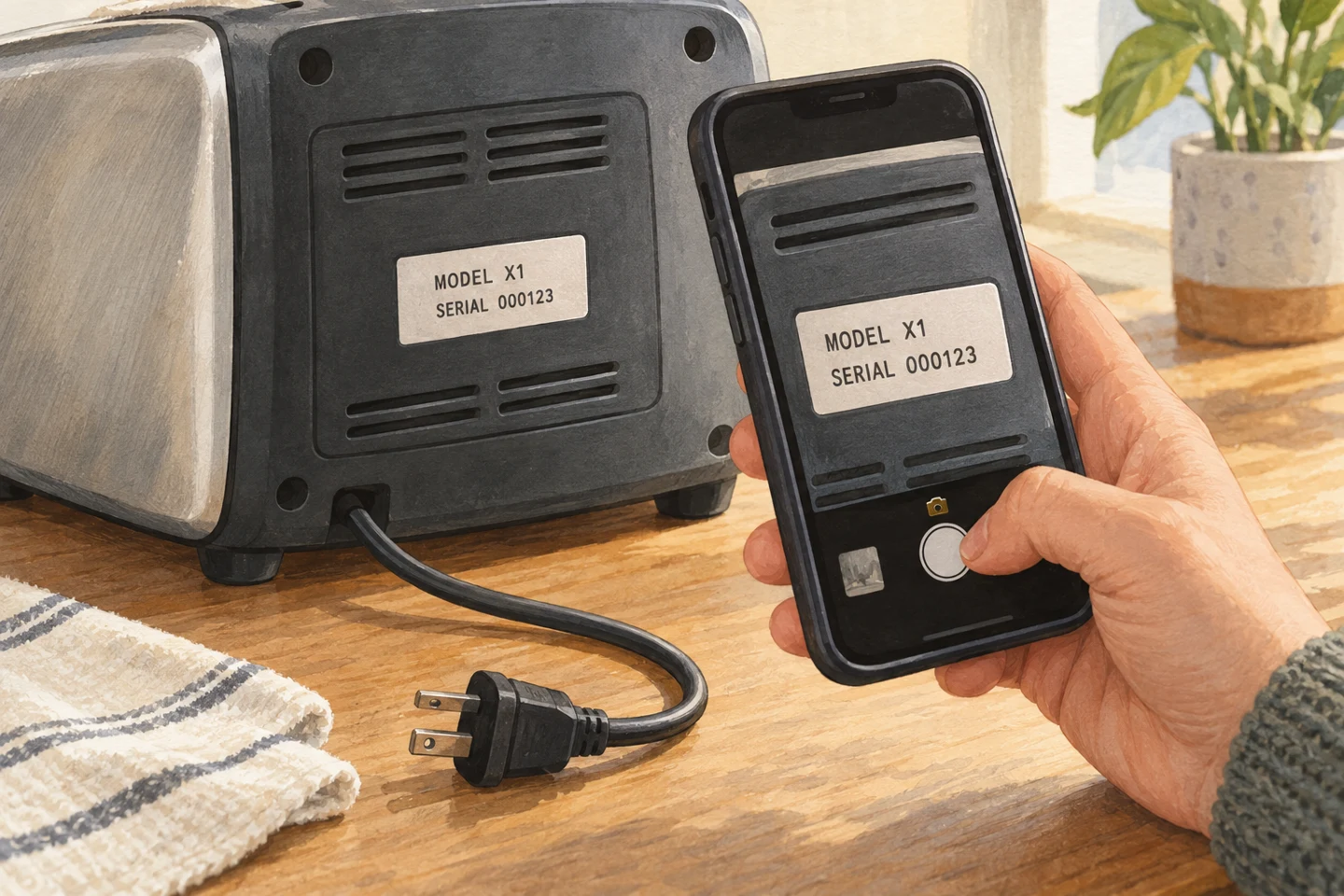
A useful label record connects readable identifiers with the right device and distinguishes a model description from a number identifying an individual example.
A purchase record is more useful when the relevant objects, changes, and payments are clear without assigning the same total amount to every item.
An inventory video helps recall rooms and belongings when it is filmed steadily and connected with individual descriptions and supporting records.
A second copy is useful when the list, photographs, and supporting files remain accessible beyond the original device.
An ownership field helps explain why objects in one home do not all belong to the same person.
A current inventory shows new arrivals while explaining which older entries no longer describe the household.
Box references connect stored objects with their descriptions without requiring every container to be opened repeatedly.
An initial notification can identify the event and urgent needs even while some details remain unknown.
A useful photograph set shows location, object identity, and the change you can observe.
A damage inventory is clearer when each object keeps the same identity from initial notification to settlement.
An absent receipt leaves several evidence questions; existing records can each support a different part.
Agree inspection and disposal arrangements while prioritising safety and necessary damage limitation.
Emergency work is easier to assess when its purpose, threatened loss, and associated costs are identifiable.
A repair quote should connect the damaged object, proposed work, and its cost.
Check a settlement calculation step by step so repair, valuation, and deductions remain visible.
Read how the policy treats one event before counting a deductible for each damaged object.
Prepare for an expert visit with identifiable objects, a timeline, and specific questions about outstanding examination.
Before counter-assessment, clarify the disputed question, the instruction, and the cost arrangements.
Before responding to a rejection, identify the fact and policy provision on which it rests.
A complaint is easier to assess when the decision, disputed point, and requested remedy are connected.
An advance is an interim payment; record what it concerns and what remains under assessment.
Disclose possible overlap and maintain one record of the actual loss and payments received.
A leak from neighbours needs your own inventory and a separate account of the source and parties involved.
Use the same traceable facts for the police report and insurance notification without confusing their different purposes.
Show separately when an event occurred, when damage was discovered, and when it was reported.
An organised claim file preserves original correspondence and identifies which version was sent.
Check the amount and also what your agreement closes, including any points that remain unresolved.
A price comparison becomes clearer when the address, household, belongings, and options describe the same actual circumstances.
A special clause becomes clearer when its subject, relationship to other wording, and effective date are recorded together.
When choosing a voluntary excess, consider the amount you could actually meet at an inconvenient moment as well as the premium.
Review a renewal notice by connecting the announced changes, their effective date, and their relevance to your actual household.
Before delivery, use the actual order details to clarify information requirements, possible policy changes, and their effective date.
An international move needs separate answers for the Dutch policy, belongings left behind, transport, and the new home.
Start with the official notification route and authorised contact, keeping the actual home and belongings separate from decisions about the estate.
A recurring appointment helps complete a review, while changes during the year still need attention in their own right.
Key handover, movement of belongings, and the requested policy change can happen on different days and should be recorded separately.
A change in residents calls for checking the recorded household situation separately from ownership of individual belongings.
Use checked dates and statuses to answer the actual question, and seek clarification when an earlier report does not clearly fit its wording.
Keep the existing claim and new policy application as separate processes, each with its own dates, contacts, and confirmations.
A premium amount, payment instruction, and account amendment answer different questions and should remain identifiable within the same policy record.
A cancellation request and confirmed termination are separate stages; check the policy and end date identified in the response.
A record of requested and confirmed dates keeps two separate insurance processes from being mistaken for an automatic handover.
A short chronology shows what was requested, what arrived, and which step has not yet been confirmed.
Identify the incorrect detail, actual circumstances, and requested check, preserving original and corrected confirmations separately.
An administration complaint becomes clearer when it identifies one problem, earlier attempts to resolve it, and a requested remedy supported by relevant documents.