Glass damage can describe a broken wine glass, cracked window or damaged glass tabletop. Material alone therefore does not make a precise enquiry. Identify the object and its function before finding the relevant provision.
Glass belonging to the building
Centraal Beheer describes its glass arrangement using examples including windows, glazed doors and certain other building components. This is product-specific rather than a rule placing every glass object under identical cover. Read your own definition.
In rented homes or apartments, who arranged the building cover may be unclear too. Ask for landlord or owners' association documents where relevant. Assuming glass is insured somewhere does not establish that the particular component falls within the arrangement.
Identify movable glass objects separately
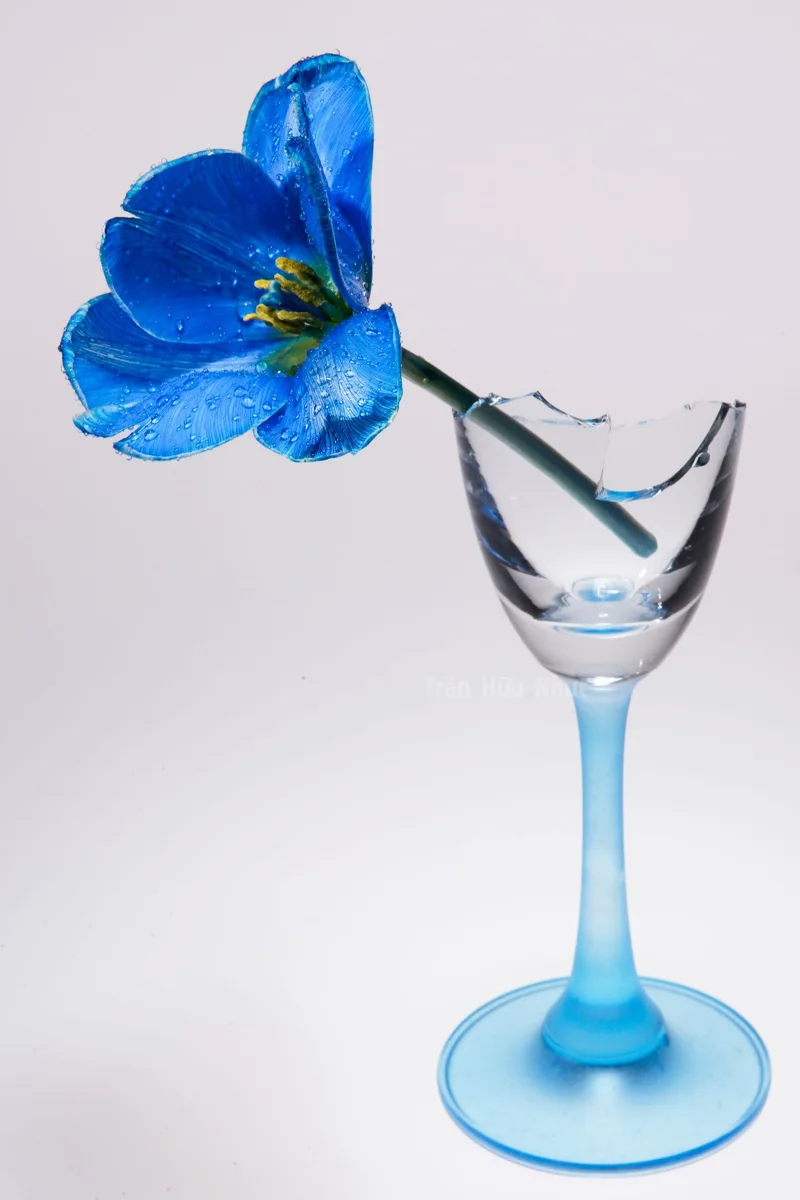
A drinking glass, vase and removable tabletop may raise different classification questions from a window. Record drinking glass or glass component of a freestanding table rather than only glass. Provide known characteristics and ownership without inventing a favorable category.
For a mirror or glass shelf, describe use and mounting as far as known. An image of the material alone cannot establish whether it is a movable object or part of a larger construction.
The event remains relevant. Classifying an object as contents does not prove every break is insured. An existing scratch, distinct incident and damage during work are different descriptions that should not be merged without examination.
Separate several affected objects. A window and movable belongings damaged in the same room need not share classification, while the factual account remains consistent.
Ask safely and specifically
Take images only where safe. Do not handle shards to make a file look more complete. Ask about emergency arrangements and assessment rather than attempting repair yourself.
Identify object, place, owner and known event, adding the relevant policy version. This distinguishes a building component, movable property or several affected items instead of mixing different arrangements beneath one broad word. Where a photo shows only a fragment, add an explanation of the original object rather than expecting the material alone to identify its role.