One large figure is not the whole picture
A schedule may state an overall amount while particular categories have separate limits. Do not search only for the largest number. ANWB's settlement explanation lists separate limits for categories including valuables, other people's belongings and particular locations alongside its general amount. That is one product example of several boundaries within one contract.
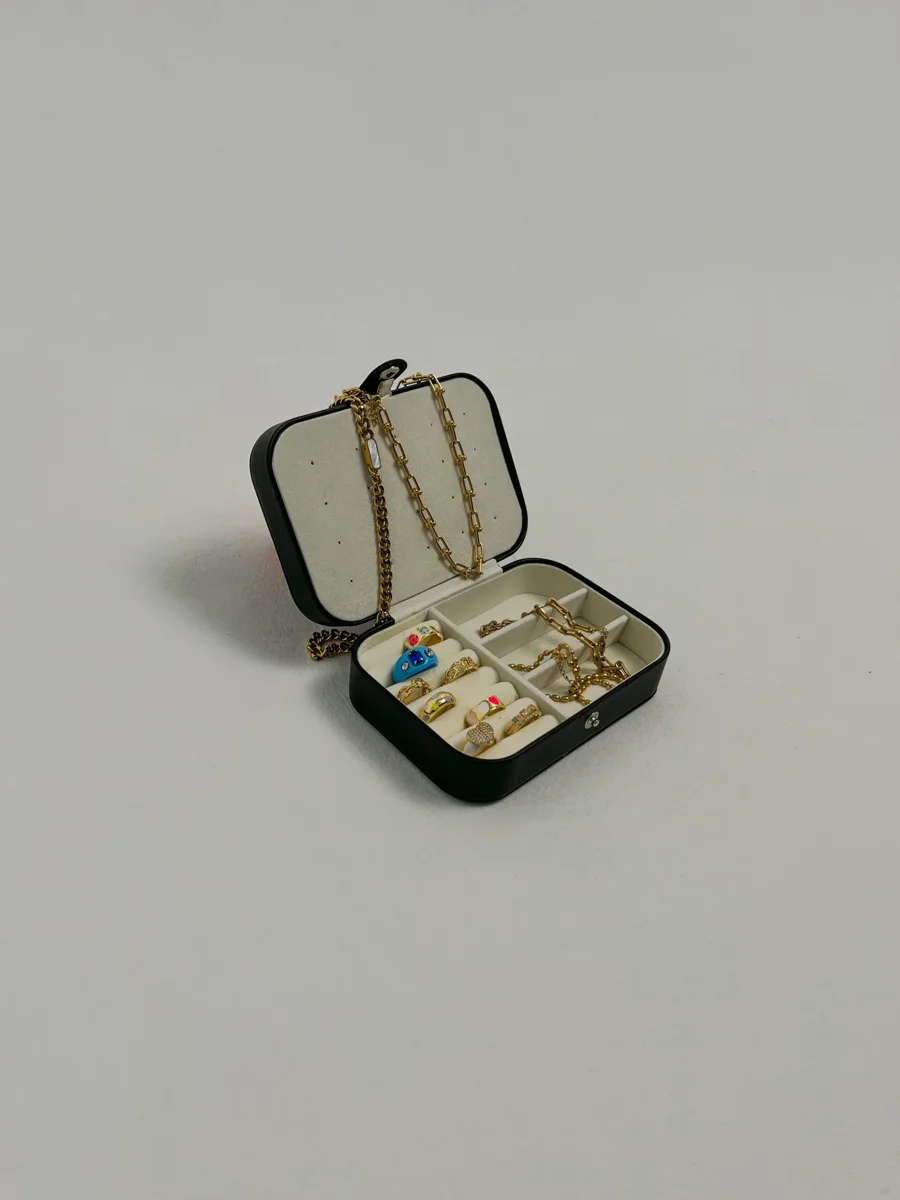
Consider a jewellery box. The value of its entire contents differs from the limit for a defined category. The box itself does not establish which objects count as jewellery, watches or another contractual group.
Read what the limit attaches to
Establish whether it applies per object, collection, category or event. This matters where several items are involved. Record that unit with the relevant passage. Copying only an amount omits an essential qualification.
Next check whether it concerns every event or particular circumstances such as theft or property away from home. A limit in one chapter cannot automatically be transferred to another situation.
Include additional arrangements. A schedule endorsement may treat a category differently from standard wording. Keep the documents together and ask which arrangement applies where they appear inconsistent.
Support classification without inventing an outcome
Describe the object through material, purpose and available purchase information. Ask where it belongs when unclear. Relabeling a watch to reach a more favorable limit is not a solution; description must follow the real item.
Clarify whether the question concerns one object or a group. Listing separate entries does not automatically change the contract's meaning of collection. Find the insurer's definition.
When receiving a calculation, ask which limit was applied and to what group. That supports a specific classification question. Citing the whole policy amount alone does not explain why a particular sublimit matters or does not matter.
A maximum is not a standard payment
A limit is a ceiling under the relevant arrangement, rather than an amount automatically paid. Valuation, repair, an excess and event coverage may matter alongside it.
Keep three details together: category, the unit to which the limit applies and the circumstances it addresses. This makes the wording more readable without converting an advertised amount into a promise for every object in the home. Where an extension changes a limit, record its effective date and scope with the original provision rather than erasing the distinction between them.