Limit damage safely before assessing cover
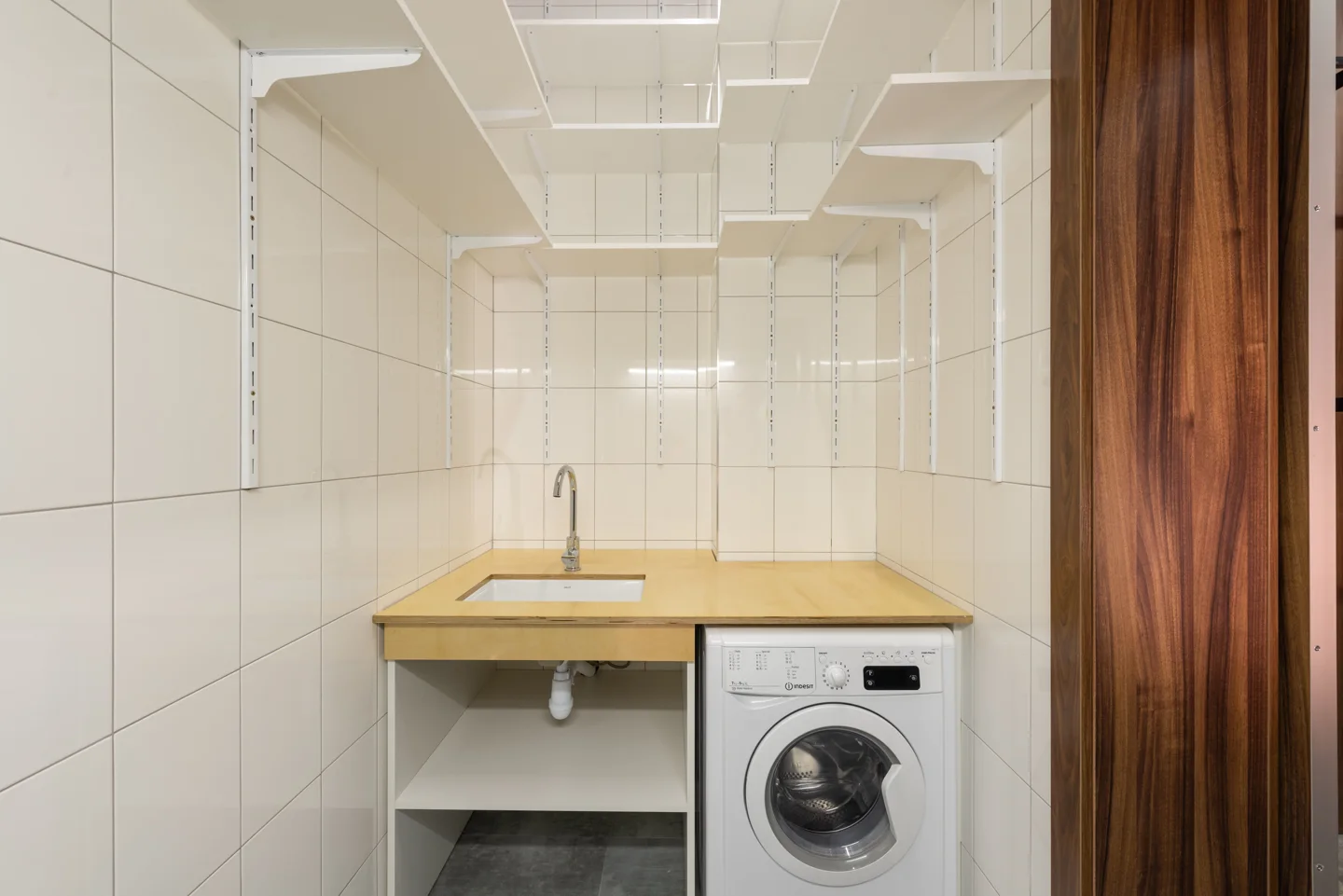
Water beneath a washing machine first calls for a safe response. Keep away from wet electrical connections and do not touch a wet appliance or plug. Shut off the water supply only if you can reach it safely. Obtain appropriate help when the situation is unsafe; an insurance photograph never takes priority over personal safety.
Where safe, move loose belongings away from water and absorb spreading water. Univé identifies stopping the supply and limiting further damage as early measures after a leak. Do not attempt complicated work on a connected machine. Have a competent professional establish the cause where necessary and contact your insurer's damage-assistance service.
Create three separate damage categories
The first category is the fault causing the leak, perhaps in the appliance, supply, or drainage. The second is resulting damage to possessions, such as a wet rug or a damaged freestanding cupboard. The third concerns parts of the building, such as a ceiling or fixed structural finish. The same water can therefore create several different assessment questions.
Contents insurance is not automatically a repair contract for a broken household appliance. For example, NN's conditions numbered UNWV-03 distinguish an inherent defect from the consequences of an insured event it causes. That example does not determine your cover. In your own wording, examine the cause, damaged property, and exclusions separately.
The boundary with buildings insurance also matters. A freestanding item differs from a damaged ceiling. For flooring and improvements, attachment, ownership, and tenants' or apartment owners' interests may be relevant. Interpolis discusses those interests separately in its water-damage explanation. Inform the landlord or owners' association when fixed or shared parts are affected, without deciding in advance which policy will handle everything.
Record observations separately from assumptions
Note when you discovered the water, where it was visible, and whether the machine was running. Once safe, take wider photographs of the room and close views of damaged possessions. A wet-floor photograph does not establish which component leaked. Keep your own observations distinct from a technician's conclusion.
Ask the repair business to describe the identified cause clearly and retain its work record. Separate fault-repair costs, drying or cleaning, and restoration of belongings into identifiable entries. For each damaged item, add its make, model, age, and available purchase information. This prevents a handler having to reconstruct the event from one unexplained total.
What should you ask the insurer?
Report the event with the information already available and identify what remains under investigation. Ask which documents are needed, whether an inspection is required, and what can safely be cleared or repaired. Retain damaged belongings or components where safe and reasonably possible, and discuss disposal before removing important evidence.
Read the escaping-water clause alongside its limitations. Interpolis's own explanation includes particular drainage-hose incidents and exclusions concerning maintenance and wear. Consequently, saying only that the washing machine leaked cannot establish coverage. A complete report clarifies what happened; the applicable policy then determines which property and costs may qualify for payment.