A room does not identify an owner
A living room might contain your sofa, a borrowed speaker, and a jointly purchased table. Location tells you where an object is, not who owns it. Keep those facts separate. Record the person associated with the item according to available information and flag uncertainty rather than filling every blank.
An inventory does not settle an ownership dispute. If residents recall an arrangement differently, mark the question for clarification. Do not automatically name the policyholder as owner simply because their name appears on the insurance documents. The record should make the actual situation easier to understand.
Borrowing and receiving a gift differ
For a borrowed device, record who lent it, when it arrived, and any agreed return arrangements. Existing messages may provide context. Retain them carefully without circulating unnecessary personal information about the lender.
A gift may belong to you even when its receipt names someone else. Describe its known origin and date without inventing a sale or gift agreement afterwards. An object left in your care for a long time is not necessarily a gift. Preserve that distinction.
Read the policy's terminology separately from your inventory labels. Nationale-Nederlanden's conditions address borrowed and rented belongings in particular provisions. This is a reason to find the relevant wording, rather than assume every borrowed object is covered by every policy.
Give shared purchases one main entry
Record a jointly owned object once, naming the people involved and linking any personal lists to the same reference. If two housemates each count the entire television in separate totals, the combined household record becomes misleading.
Keep purchase records with that main entry. Describe any known payment split without treating it as an agreed insured value or a legal determination of ownership. Household composition may also have a particular meaning under the policy. Ask how your actual living arrangement is recorded.
Follow returns and departures
When someone moves out, establish which belongings leave, change hands, or remain temporarily. Record the actual change date. Preserve older documents as history while marking an object returned or no longer present.
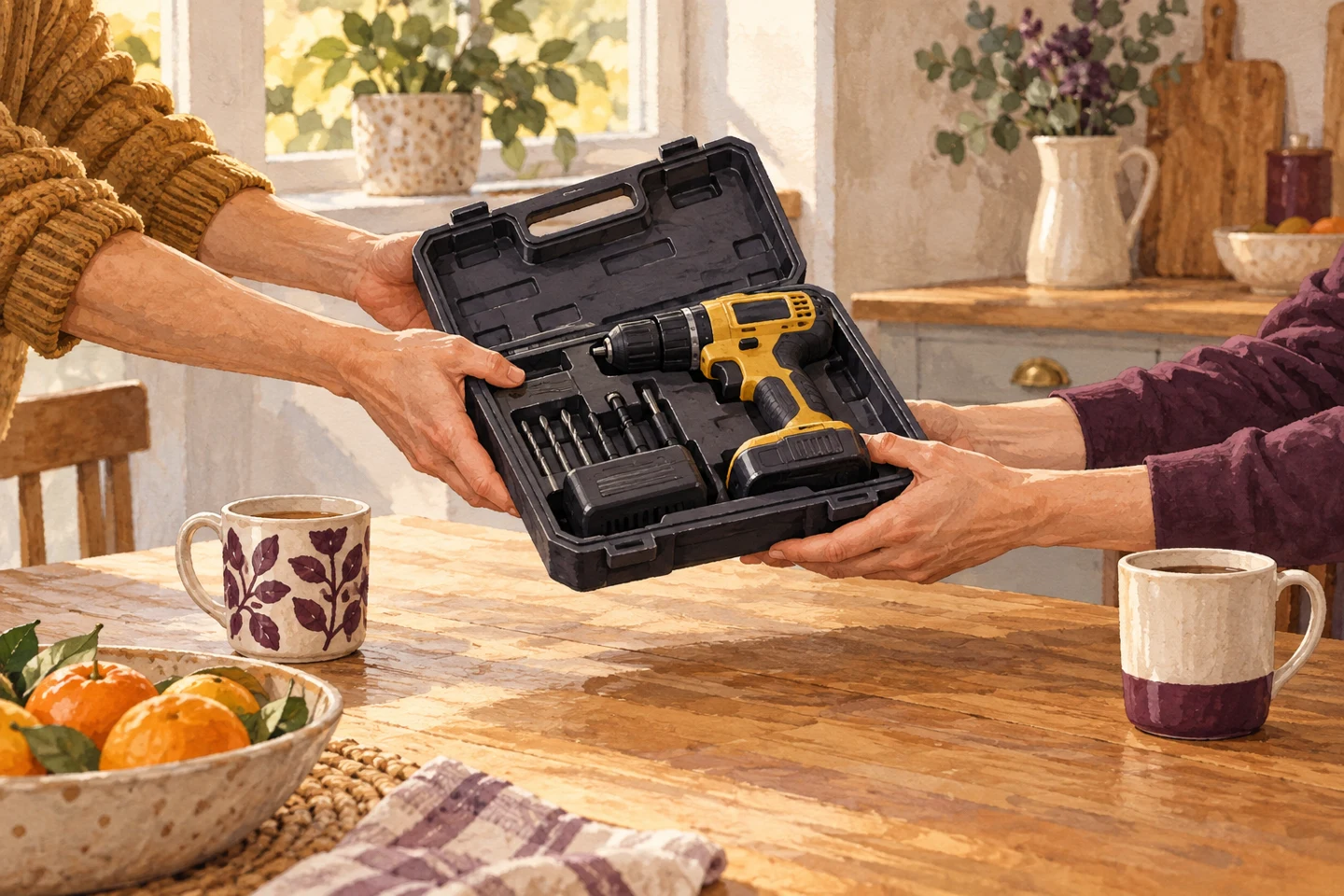
A drill already returned to its lender should not appear among current belongings. Equally, a formerly borrowed chair might later be taken over under a clear arrangement. Update the record according to what happened. Location, ownership, and timing can then be understood separately instead of being compressed into a single ambiguous item name.