One entrance can lead to different spaces
A home, store room, workspace and shared corridor may sit behind one house number. Insurance need not treat them identically. Start with the address and description on the schedule, then find how the wording defines the home and any additional spaces.
The information document for the NN variant consulted connects the dwelling to the insured address on the schedule. That provides a starting point rather than blanket cover for every space carrying the same number. A summary cannot replace precise location provisions.
Describe before classifying
Draw a simple plan if helpful, showing private living space, shared access, internal storage and any separate structure. It need not be an architectural drawing. Its purpose is to prevent confusion about words such as beside, beneath and behind.
Record whether each space belongs to the home, is separately rented or is shared, as far as known. Habitually calling somewhere our storage room does not establish which policy definition applies. Tenancy or purchase documents may contribute information, but the insurance wording requires its own reading.
State whether the object was in the home or elsewhere at the relevant time. A photograph of an appliance at home does not establish its location during a later incident. Keep timing and location together.
Read the words surrounding location
Find definitions of home, outbuilding, storage and outdoor area where used. Check whether a passage refers to the same plot, distance, connection to the building or accessibility. The actual arrangement determines which features matter; do not invent one universal boundary.
Examine event-specific differences too. A space might appear in a general location provision while a theft section adds requirements. Equally, a specific rule about one risk need not describe all other damage. Follow the references attached to the location.
Shared access may raise questions about locking or forced entry. Describe actual doors and their use truthfully. Ask how the insurer classifies the space under your contract rather than selecting private or shared labels because one seems more favorable.
Separate the home from another storage place
External storage or items held by another person may need separate provisions. Paying for an object does not automatically make cover follow it everywhere. Record its actual location and when it arrived there.
If use changes, examine the reporting provisions. Living, storing and working are not interchangeable descriptions. A registered number may stay unchanged while the factual situation changes.
Retain an answer about an earlier arrangement with that context. If another store room or workspace is added, it should remain clear which question was resolved and which is new.
Complete a specific location enquiry
Identify the address, space, relationship to the home, ownership or use, and the event under examination. Ask for the relevant provision and conditions attached to the place.
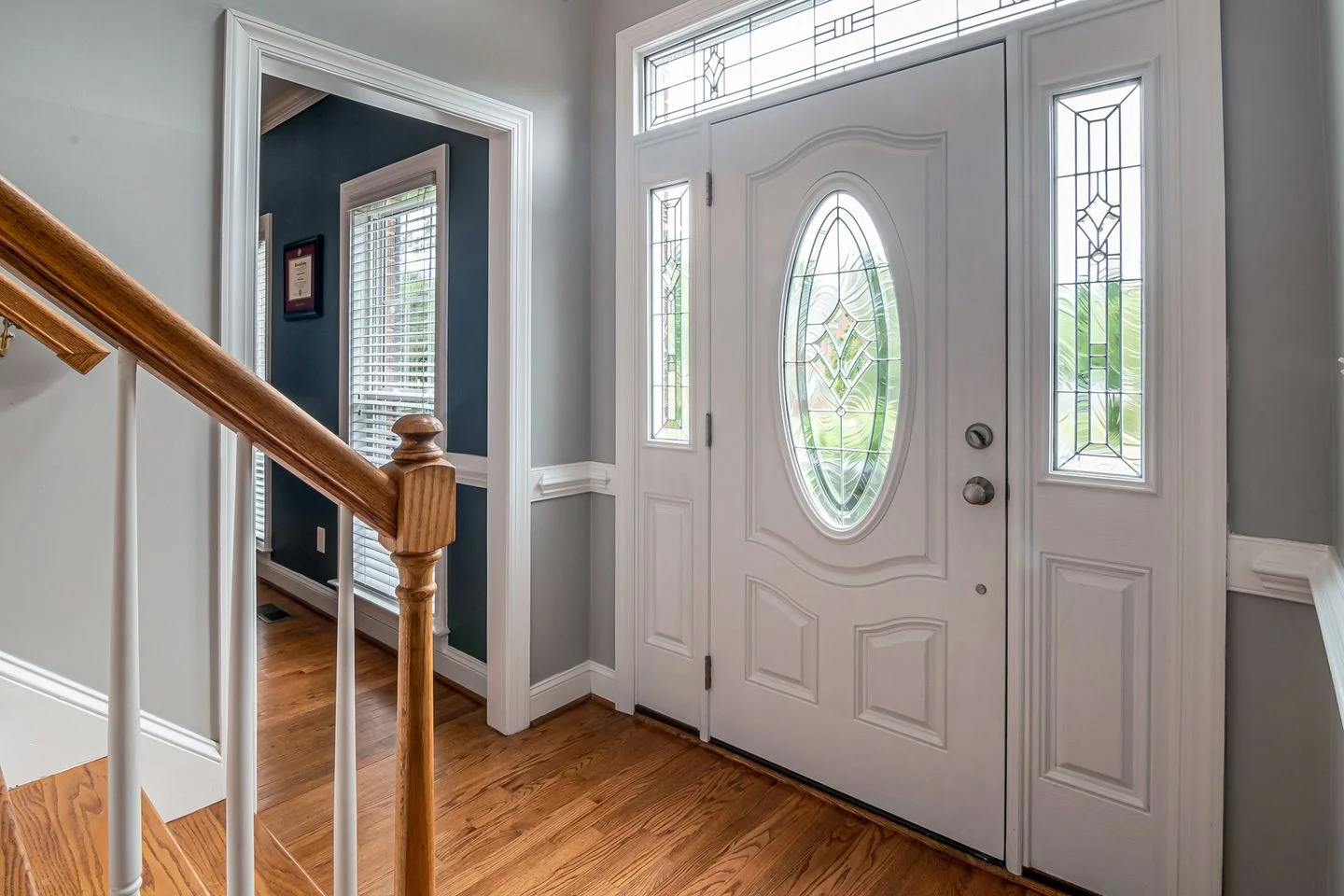
A front-door photograph then contributes to a precise description without becoming evidence of unlimited cover behind every door. The result is an identifiable location arrangement, rather than only the reassuring idea that everything is somewhere at home.