The location is clear; the cause may not be
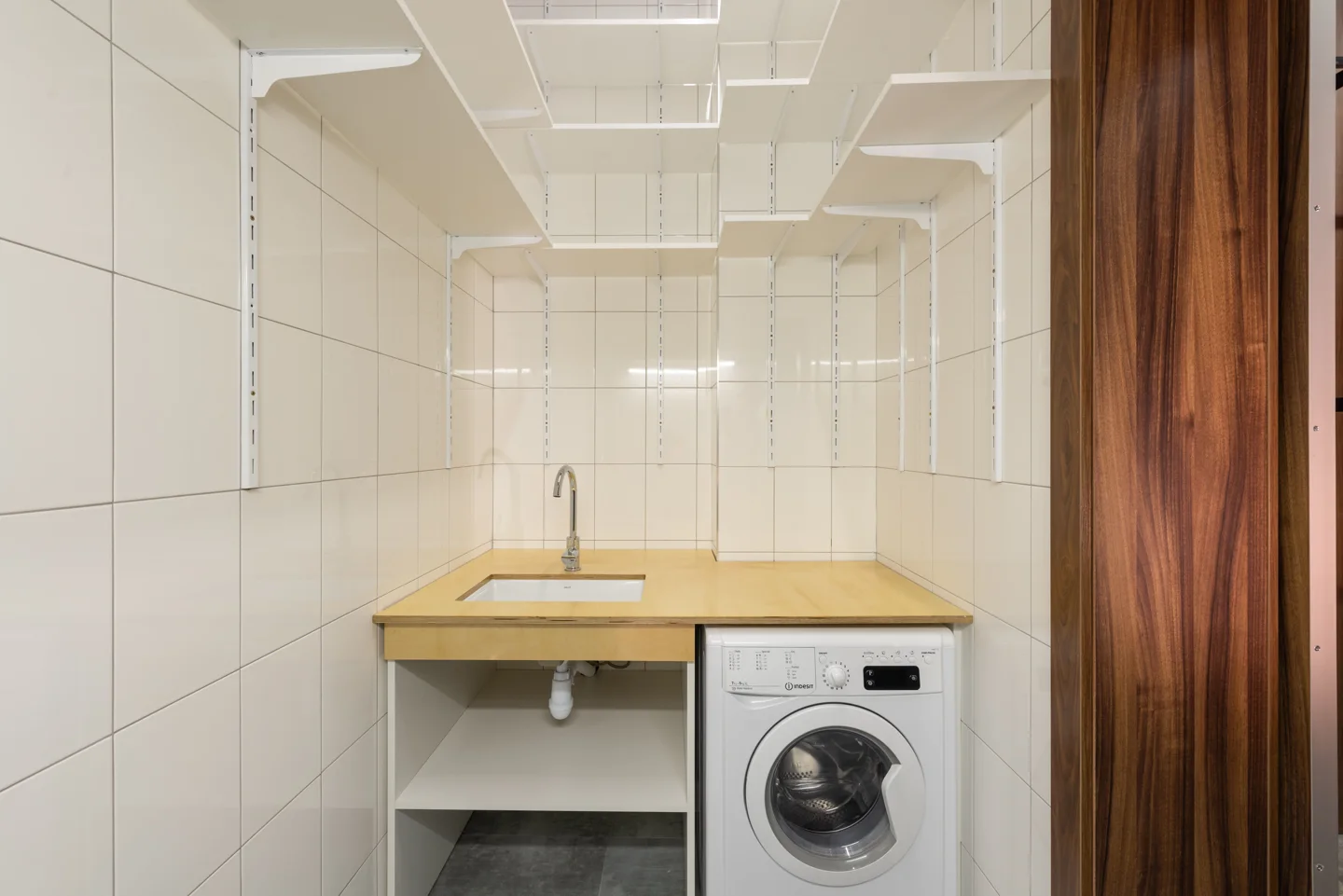
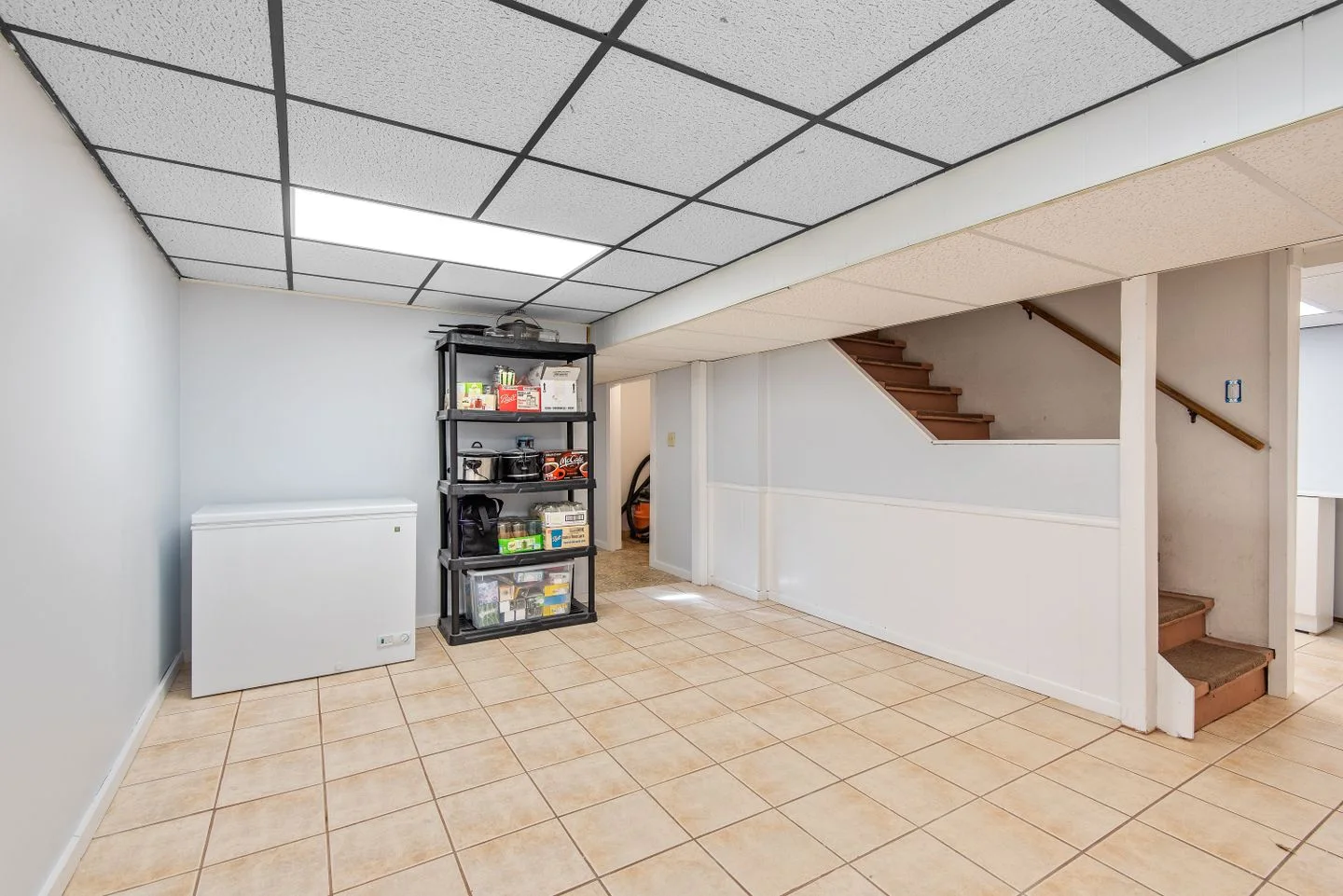
Wet basement boxes identify where damage occurred, not whether water came from a pipe, drain, wall, opening, or underground. That origin may matter under the wording. Begin with observations rather than immediately choosing an insurance category.
Record when you last saw the basement dry and when water was discovered. Describe the visible sequence and surrounding events, such as rain or work. Separate your own observations from information later provided by neighbours or technicians.
Keep investigation safe
Do not enter an unsafe wet space for photographs or salvage. Electrical connections, restricted access, and unknown water can make personal investigation inappropriate. Obtain suitable help and follow instructions. Record evidence when safe.
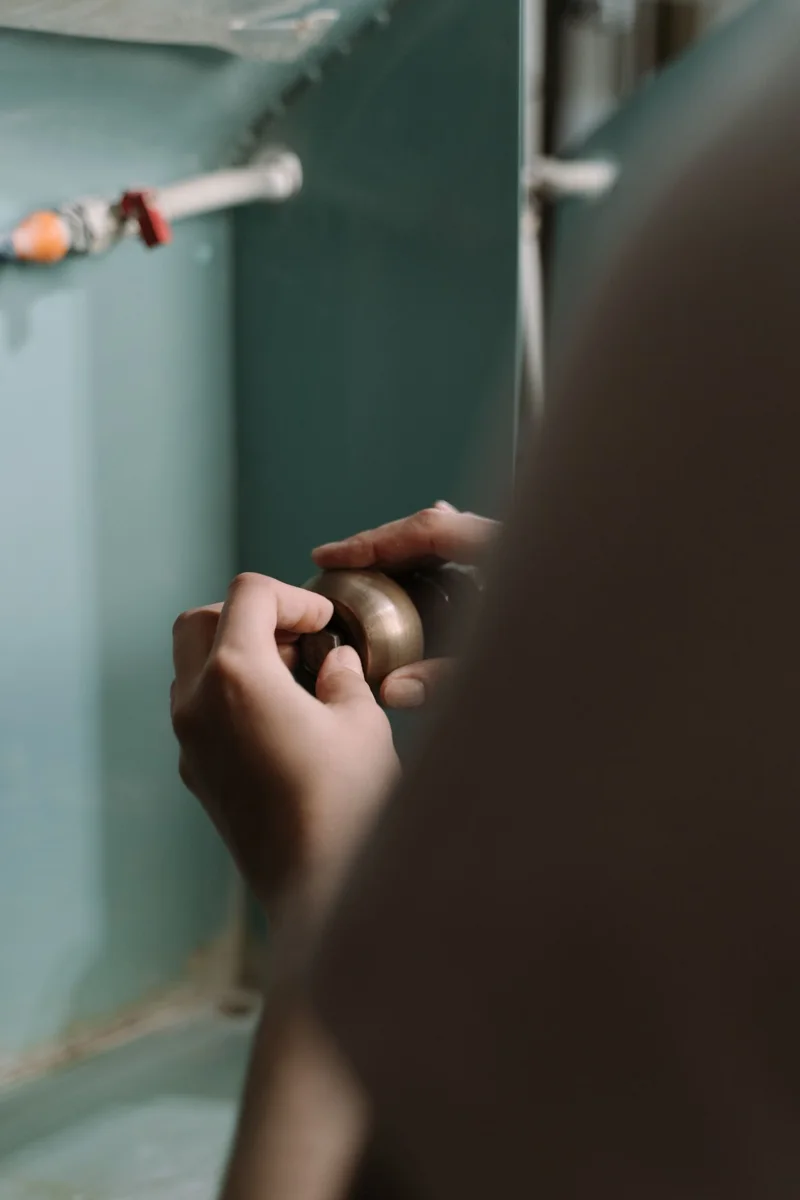
Ask professional investigators to state their findings clearly. A report can identify a likely route and alternatives that remain possible without claiming certainty the investigation cannot support. Retain associated diagrams and inspection images.
Why origin matters
Centraal Beheer's conditions INB-RV-01-242 explicitly address groundwater within precipitation limitations. That is a specific policy example, not a rule for every contract. It demonstrates why a basement location or rainy day cannot establish a universal coverage answer.
Look for relevant groundwater, precipitation, flooding, and sewage wording in your own documents. Read definitions and exceptions rather than only a general water-damage description. One room can be affected by different events with different contractual treatment.
Identify stored possessions
List each item or clearly described group. A stack of boxes is not an inventory: record contents, damage, and available supporting material. Images before opening and of contents afterward can clarify the connection where safe.
Separate damage to the basement from belongings. Wall treatment, pumping out water, and restoring a bookcase are different costs. For rented or shared storage, include the location, access, and use. Do not substitute another insured address because it appears administratively easier.
Clearing up and later findings
Ask which items can be disposed of and whether inspection is required. Where immediate disposal is necessary for safety, record the reason, condition, and removal where possible. Request itemised restoration invoices; an unexplained basement-work total may combine investigation, drying, and repairs.
Submit later findings as dated additions. Do not silently rewrite the original chronology once the cause becomes clearer. An accurate file may contain uncertainty. Identifying it helps prevent an initial suspicion being treated later as an established technical fact. Keep correspondence about shared areas with the same record so responsibilities and work instructions remain traceable.