Occupied is not a complete description
You may remain at home while the kitchen is opened up, a bedroom becomes storage and contractors use another entrance. Describe both occupancy and the condition of the property. Whether you sleep there matters, but does not establish whether windows, external doors and the roof remain fully closed. A partially usable home can still contain several different working conditions.
Univé's renovation information identifies security and protection against weather among factors that can restrict cover. This is a specific product explanation. Do not interpret it as a general promise whenever somebody stays at home; ask the actual insurer to explain the relevant wording against the work and circumstances involved.
Identify temporary locations for belongings
A living room may temporarily hold the contents of several other rooms. Record significant changes in location, especially for valuable or delicate objects. A cupboard in the hallway, a computer at a relative's home and boxes in external storage occupy different places. Describe them separately when asking about the interim arrangement.
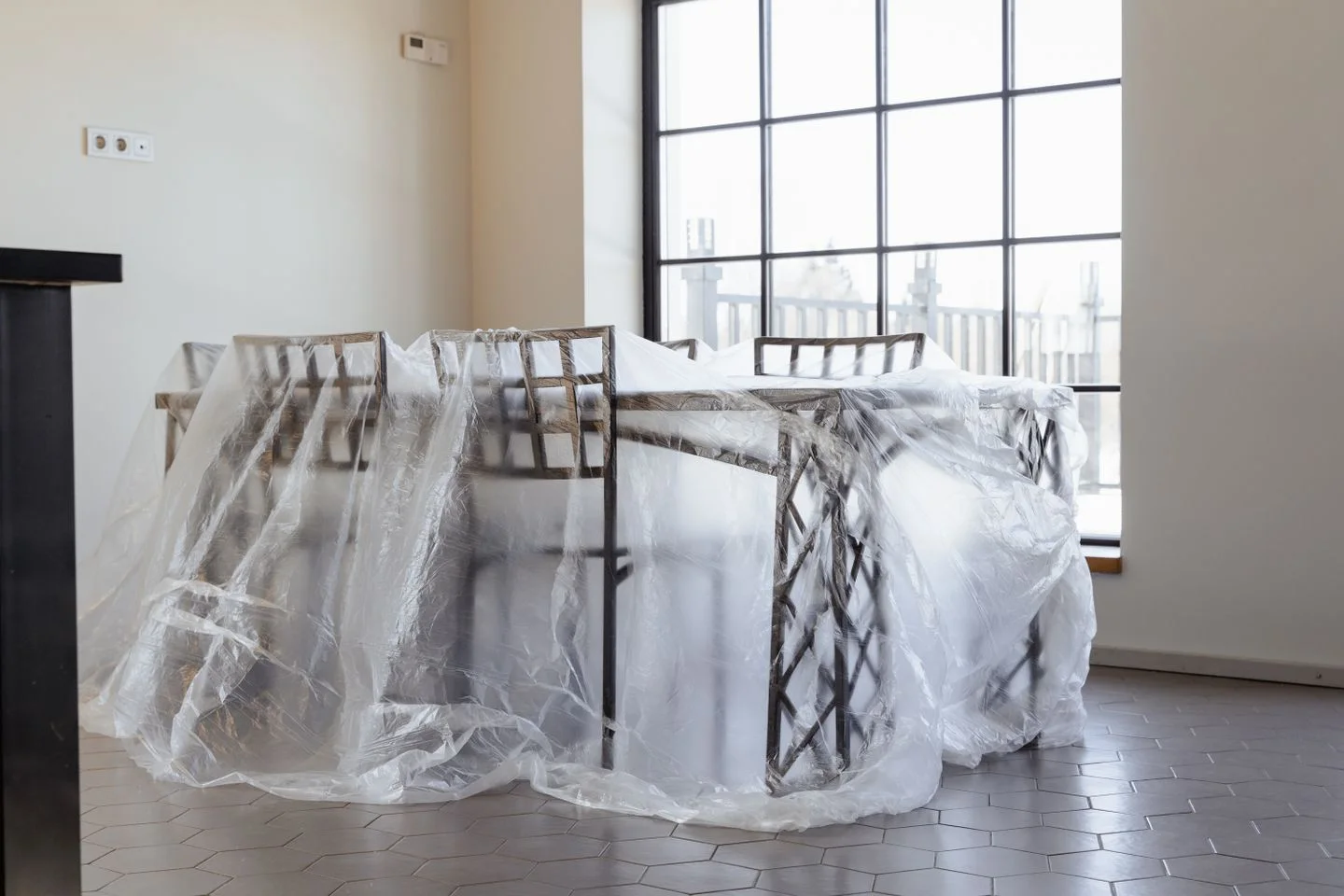
Photographs of the original rooms and temporary storage can assist identification. Retain the dates as well. A photograph of covered furniture does not establish that it is undamaged or remains insured. It can show how the room was arranged at a particular point and which objects were present. Keep a short note where the covering prevents identification.
Separate household items, materials and tools
Unopened flooring packs, your sofa and a contractor's tools should not be merged into one unexplained contents entry. Identify the owner and intended purpose of materials. A delivered kitchen awaiting installation can raise a different question from the old freestanding fridge still being used every day. Delivery records may help establish when materials arrived.
Ask which information is needed for equipment brought by a contractor. Their tools do not automatically belong to your household. Conversely, a contractor's presence does not establish responsibility for every damaged item. Keep any liability question separate from the initial description of damage to your belongings. Ownership, cause and responsibility may require different evidence.
Describe the work in phases
Renovation can begin with painting and later become more extensive. Retain the plan and significant changes, particularly where the property has altered access or weather protection. The original description decorating may no longer be precise enough. Describe actual work and whether you remain living there during that phase.
When the work changes, ask which explanation applies to the new phase. An earlier confirmation may have assumed closed windows and an intact roof. It does not necessarily describe a later arrangement. A brief chronology makes the relevant period easier to identify without treating the entire project as one unchanging situation.
Record observations before drawing conclusions
Note which belongings are damaged, where they stood and when the damage was discovered. Leave an unknown cause explicitly unresolved. Something noticed during renovation has not thereby been shown to result from the work. Keep the distinction visible when making an initial report.
Leave technical assessment to the appropriate professional and coordinate non-urgent repair through the relevant reporting route. Store photographs, descriptions and correspondence together. The result should document what was present and what changed, without presenting a planned improvement or uncertain cause as established damage. This remains useful whether the enquiry involves household cover, another party or further investigation.