Administration waits until the situation is safe
With fire and smoke, leave safely and contact emergency services first. The Dutch fire service emphasizes getting outside promptly in its escape-planning guidance. Do not return for receipts, photographs, or an appliance. Follow responders' decisions about access.
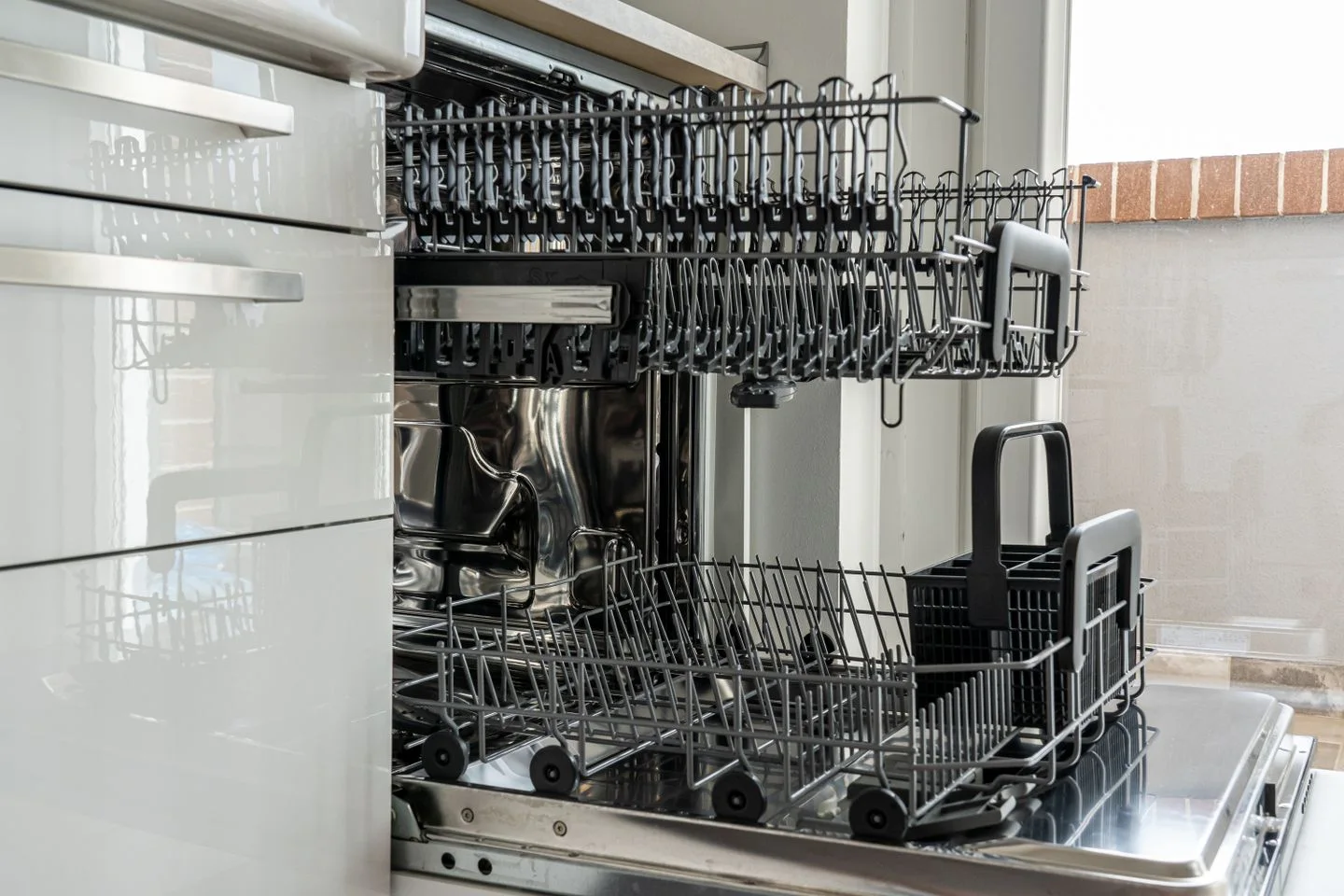
The object where the fire started is not necessarily the only affected object. A pan, hob, freestanding mixer, and curtains can each have a different condition. Later, distinguish your observations from findings supplied by responders or restoration specialists. The cause description need not sound more complete than the evidence allows.
Identify damage and ownership
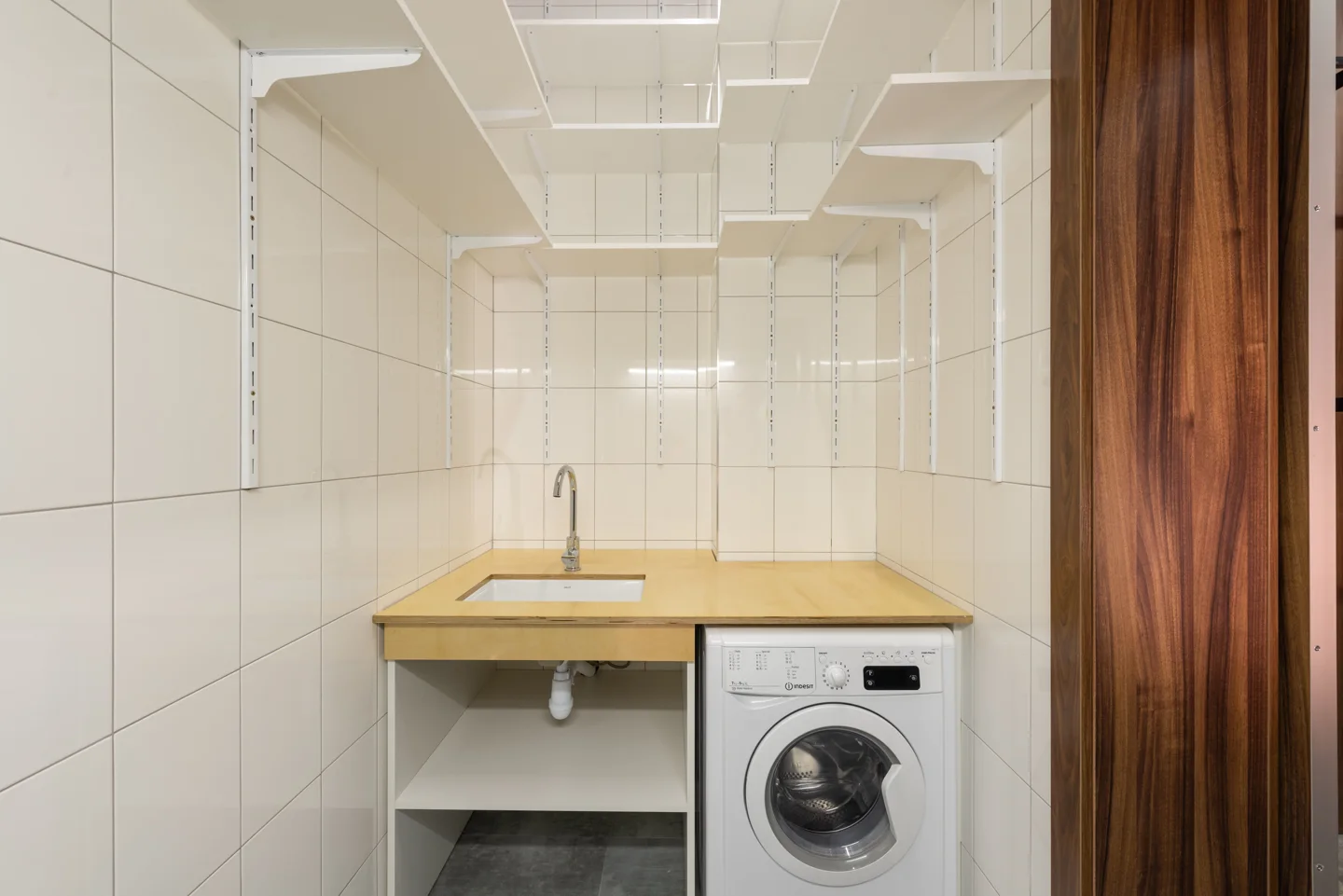
Once access is safe, separate possessions from fixed components. A burned toaster should not share one unexplained entry with a replacement worktop. For rented homes or apartments, describe ownership and improvements and inform the relevant landlord or owners' association.
Interpolis discusses fire damage to possessions and buildings separately, including consequences such as smoke and firefighting. This is a product explanation, not a promise for every cost. Read the event and limitations in your own policy. An appliance's technical defect and subsequent fire damage may raise different questions.
A burn mark also does not establish that every nearby object needs replacement. Obtain an appropriate assessment of cleaning, repair, or disposal and ask for these options to be distinguished. A replacement list without condition assessment can obscure the original situation.
Let the record follow restoration
Photograph only after access is permitted and safe. Include wider views and identifiable details. Identify missing purchase records without inventing information; older photographs, orders, and existing records can support item descriptions.
Ask what authorization is needed before permanent work. Separate cleaning, repair, replacement, and temporary measures in quotes. Keep agreed transport and storage identifiable too. Record who instructed each task and retain confirmation.
List unresolved points explicitly: cause being investigated, age to check, technical opinion pending. Update them with dates. This preserves how the report developed. The insurer assesses events and items under the applicable conditions, rather than merely approving the total shown on a kitchen quotation. Keep fire-related records together while retaining the distinction between emergency response, building work, and possessions.