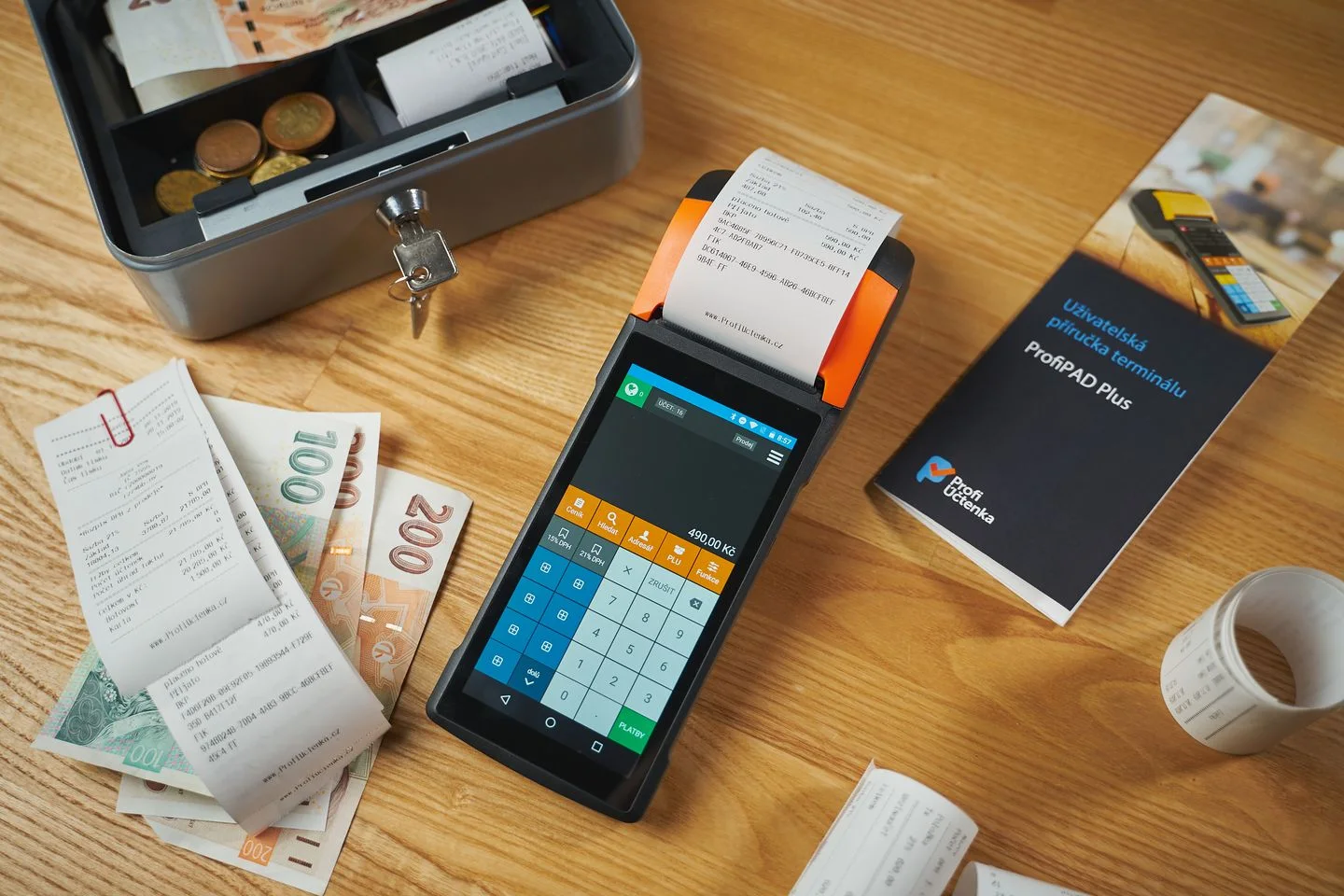
Create a connection, not just a receipt folder
A stack of receipts preserves transactions without necessarily explaining which belongings remain present. Link each record with an identifiable inventory entry through a simple number or file reference. The description identifies the object; the document supplies the purchase information it actually contains.
Check whether a receipt's product description matches the version owned. A short retail code may need an existing order confirmation to explain it. Add that information where available rather than changing the original receipt. Your explanatory note should remain clearly a note.
One document can cover several objects
An invoice for a table and four chairs may show one total. Reference it from relevant entries and identify the joint purchase. Do not copy the total as each chair's individual price. Where an allocation is unknown, make that explicit.
An order may change through a return, exchange, or partial refund. Retain the confirmation with the original transaction. Current inventory should describe what was ultimately retained while documents explain its history.
A bank payment and receipt are not automatically identical evidence. Payment may establish date, recipient, and amount while a receipt provides product lines. Interpolis mentions bank statements as possible purchase evidence in certain procedures. Ask what the relevant insurer requires rather than assuming one record always establishes every detail.
Preserve readable original information
Inspect scans or photographs before considering them retained copies. Can the date, supplier, amount, and item lines be read? Is another page or edge missing? A correctly named file helps only when its content remains understandable.
Keep received digital documents in their original form alongside your organisation. Add descriptive filenames or references without altering amounts or wording. Scanning date should not become a new purchase date.
Mark missing records. A personal statement must not appear to be a shop receipt. Search existing order emails or ask the original supplier whether a copy is available, without assuming the outcome.
Prepare a focused handover
For an enquiry, explain which object, purchase, and attachments belong together. The recipient should not need to guess from a large folder. Use the requested channel and establish what information is necessary before sharing unrelated account details.
Test the system with an older purchase. Can the correct documents and any return be retrieved? The administration then preserves relationships rather than merely collecting files, without predetermining coverage or a claim outcome.