Make the instrument identifiable
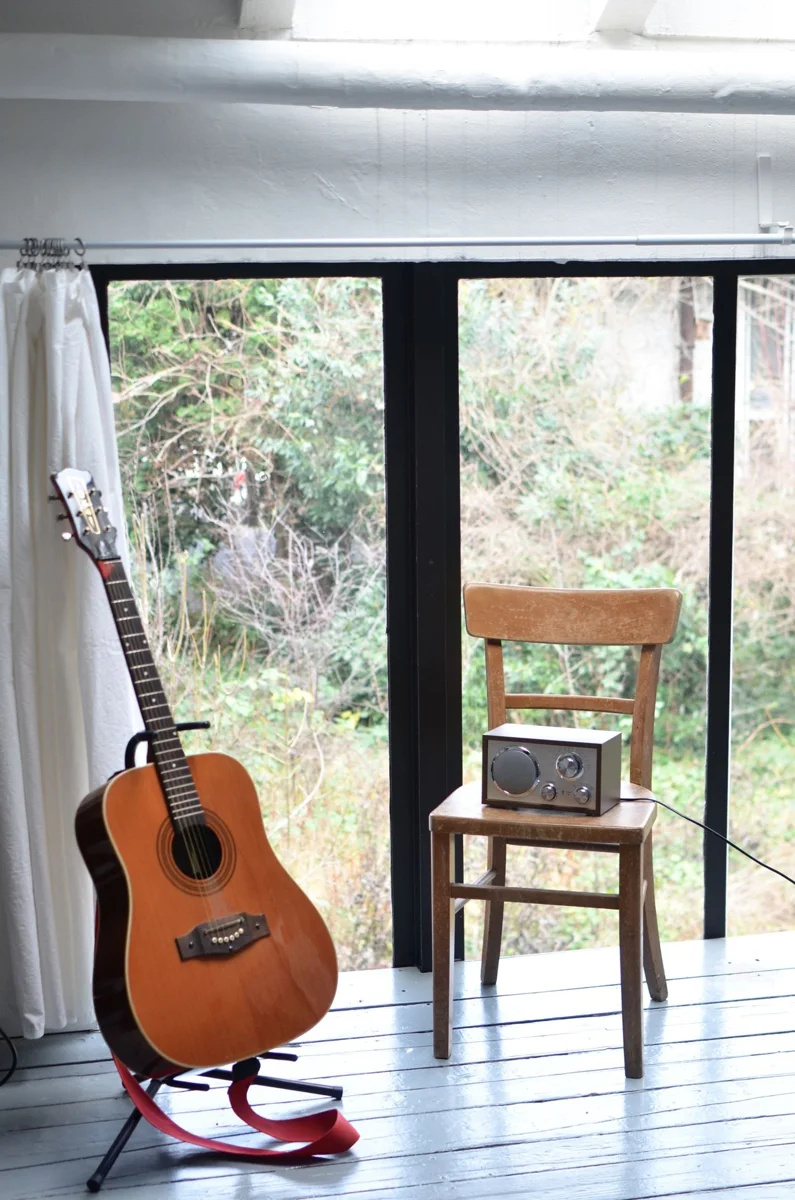
A guitar, violin, or other instrument needs more description than musical instrument alone. Record type, maker or brand, model, and any available identifier. Add version and distinctive features where established. An older family description may provide a lead, but mark information that remains unverified.
Take an overview and photographs of easily reachable features. Do not move a large or heavy instrument merely to find a label. Record the gap instead and supplement it from purchase or maintenance records where possible.
For similar instruments, a simple personal item number helps. It stays constant when storage changes. Link a case, stand, or bow through a reference so shared use and separate purchases remain visible.
Different records explain different things
A receipt records a transaction. A maintenance invoice may identify the instrument and explain work. An appraisal has its own purpose, date, and description. Keep those functions distinct. Repair cost does not automatically become a new value for the complete instrument.
Interpolis discusses purchase and appraisal information for valuables including instruments. Exact requirements and significance depend on the insurance. Check whether the applicable policy calls for a specific description, assessment, or update. Do not apply another insurer's period or arrangement as a universal rule.
A signature, maker's stamp, or stated year may raise authenticity questions. Describe what is visible and identify its source. Do not assign exceptional provenance because a similar online instrument has a high price. Where assessment is needed, ask which documentation is appropriate for the policy.
Clarify accessories and ownership
An instrument can be rented or borrowed. Identify its owner and link existing arrangements. Keeping it at home does not automatically make it personally owned. Ownership, location, and applicable terms are separate matters for a specific insurance enquiry.
Distinguish included accessories from later purchases. An amplifier is a different object from its connected guitar. Equally, a complete purchased kit should not be counted repeatedly through all included parts.
Update the list when an instrument is sold, returned, or replaced. An older music-room photograph may show equipment no longer present. A date and current status prevent it being mistaken for today's arrangement.
Test the file by finding one instrument without opening its case. Can its description, photographs, owner, and available records be retrieved? That administration supports a focused question. Whether and how an event is compensated still depends on the applicable insurance and assessment.