Move from the room to the detail
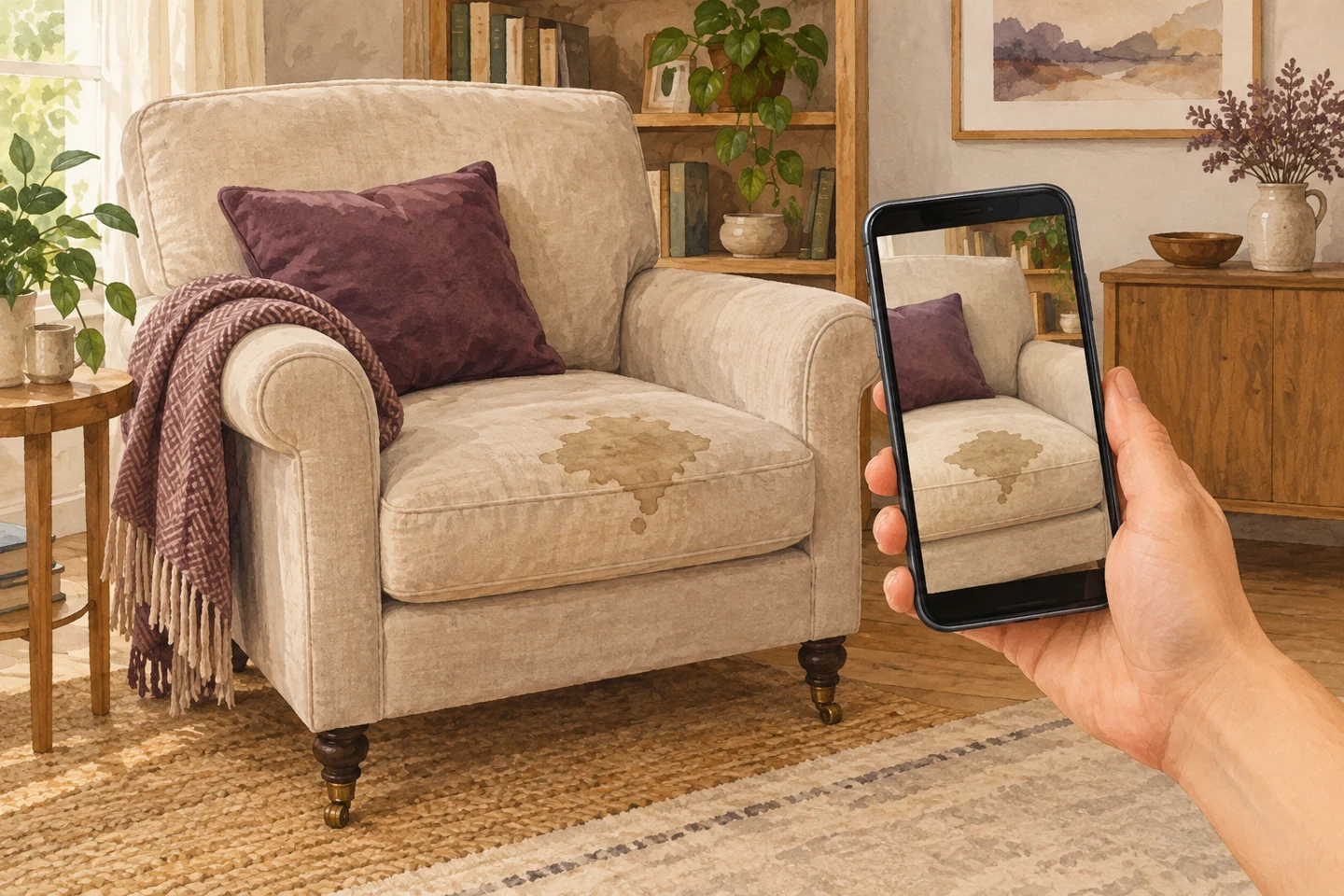
Where safe, start with the affected location. Then photograph the whole object, followed by the damaged area. Another person can understand how a wet cupboard corner relates to the wider scene. An extreme close-up of a dark mark alone says little about scale or position.
Univé identifies photographs as possible supporting documents in a notification. There is no special image count that establishes cover. Choose distinct useful views rather than dozens of the same crack. Use enough light and focus to make the described condition visible.
Recognise what an image cannot establish
A photograph does not capture an odour or automatically identify the cause of a fault. Describe smoke smell or loss of function in words, with the observation date. Do not put a technical conclusion in a filename as though the picture proves it.
Equipment need not be reconnected for a photograph. Opening walls or dismantling an appliance is not a necessary photographic step either. Obtain appropriate help for dangerous or inaccessible areas. A missing image can be explained; an unsafe reconstruction adds no reliable evidence.
If belongings were moved for safety or damage limitation, record this. A later wider view shows the arrangement after that action. Do not combine it with earlier images without explaining the different stages.
Preserve and send a readable record
Keep original files alongside any smaller sending copies. Preserve available file and date information. Avoid filters or edits that make damage appear greater. A separate annotated copy can identify an area while the original remains intact.
Connect photographs to inventory entries with short references, such as bedroom cupboard and lower-edge detail. Photograph an identification label separately where safe. Check for unnecessary personal documents, faces, or screen information before sending.
An earlier photograph may help identify the object. Label it clearly as pre-incident rather than suggesting it shows the condition on the notification date. Images serve different purposes: identity, location, and present damage. Making that distinction is more informative than treating every picture as proof of cause.