Dust on an object or damage to it?
A dusty cupboard differs from a damaged finish or contamination confirmed inside equipment. Describe what you can observe and which function no longer works. Dust damage becomes a useful account only when the affected object, change, and discovery time are identifiable.
Record the work taking place and the room involved. A construction-site photograph does not establish that every later fault was caused by the contractor. Keep the schedule and relevant messages, distinguishing observed events from suspicions about responsibility.
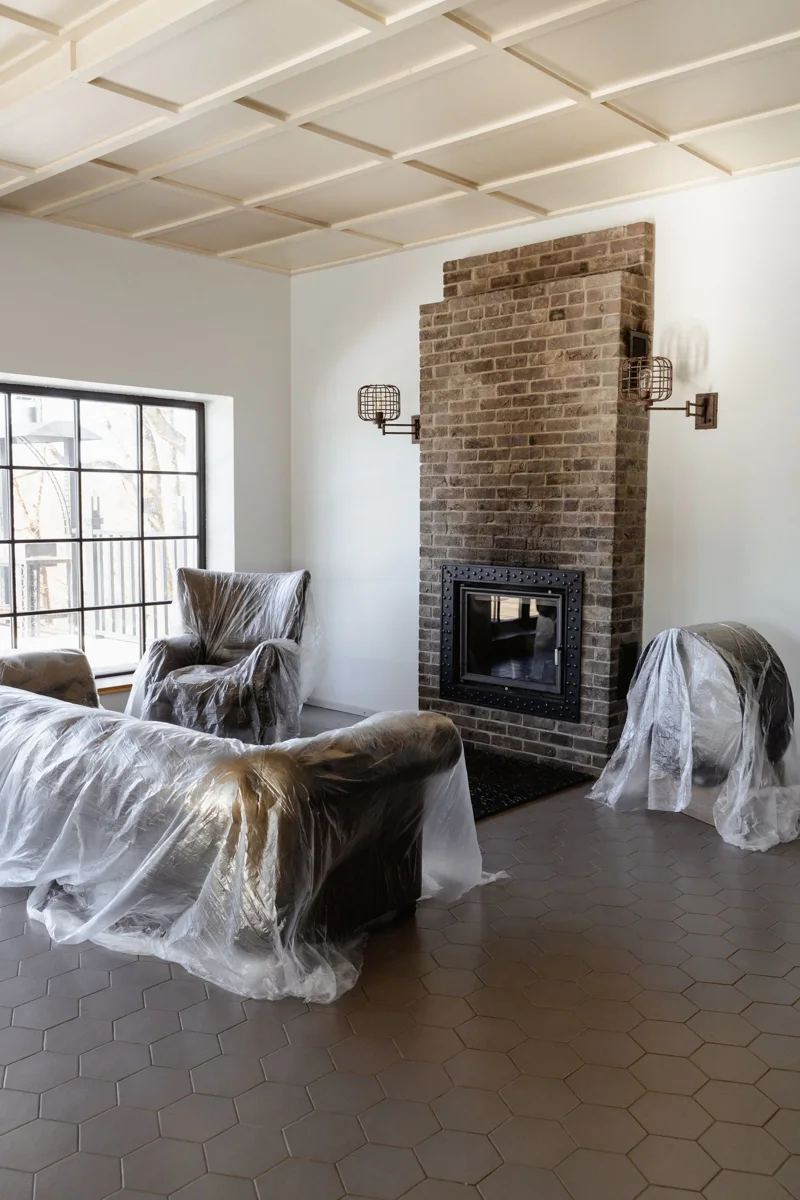
If you moved or covered belongings, describe the actual measures. Include available earlier photographs. Do not say equipment was completely sealed if it was only beneath a loose sheet. Accuracy is more useful than an idealised account of preparation.
Renovation may be a special policy circumstance
Centraal Beheer's INB-RV-01-242 conditions treat building and renovation as particular situations with their own provisions. That does not establish that every dust mark is insured or excluded. Read your own event wording, possible work-related exclusions, and notification arrangements.
Separate a notification to your insurer from a request that the contractor investigate the incident. Ask each what information is needed. A company's involvement does not itself establish liability, and its liability insurance is not a direct promise of payment to you.
Give the contractor a factual account and ask about the work stage and agreed protection. Keep its response even if it contradicts your suspicion. Both accounts are more useful for assessment than a summary simply identifying the other party as responsible.
Define the proposed cleaning or repair
For sensitive materials, seek an appropriate restorer's assessment before abrasive or wet cleaning. Distinguish ordinary cleaning from repair of a damaged finish. A quotation can identify objects, treatment, examination charges, and the intended result separately.
For electronics, technical findings are more informative than only an invoice for replacement equipment. Ask what was found and why a component needs cleaning, repair, or replacement. Preference for a newer model is not technical evidence that repair is impossible.
Check whether the same cleaning work already appears in the building contract or final account. A cost can appear in several pieces of correspondence without becoming two outstanding losses. Identify who performed the work and who has paid.
If a quotation includes several rooms, request a description of which objects in each room are affected. This avoids presenting a whole-house cleaning package as though every part had been linked to the same event. Keep optional improvements or general post-renovation housekeeping distinguishable from the damage under discussion.