Choose the level of detail first
A bookcase may contain hundreds of publications without every ordinary copy needing a detailed file. Start with a checkable structure: books by shelf section, records by compartment, and other physical media separately. Record quantities actually counted and date the check. An approximate quantity may be useful initially, provided it remains explicitly provisional.
Take photographs showing the collection and, where practical, recognisable spines or sleeves. A room view mainly shows scale and location. Distinguishing similar editions later requires further features. One image of a closed cabinet or an unlabelled stack offers little detail.
One title can have several versions
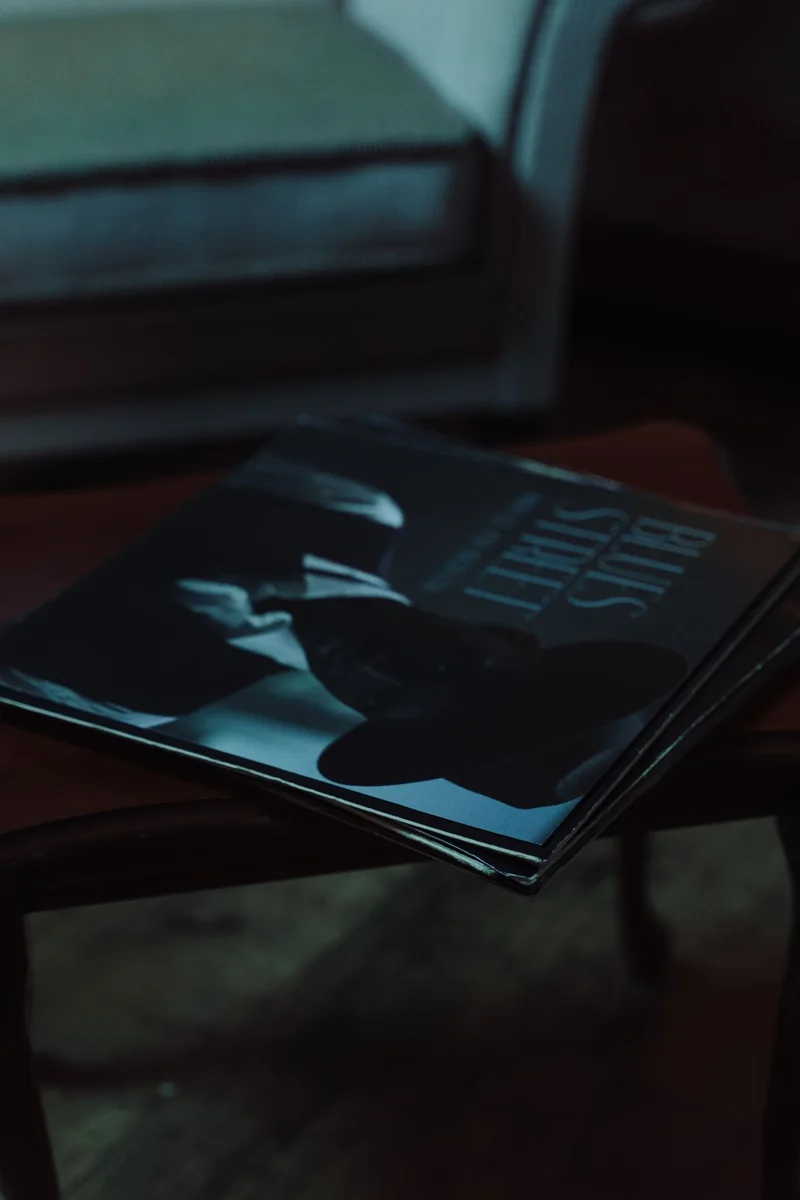
For an individually recorded book, title, author, publisher, edition, and ISBN may help. For a record, artist, title, release version, and visible sleeve or label identifiers can be useful. Copy what can actually be established. A listing describing an edition as rare does not prove your copy is that edition.
Where several copies of a title are owned, distinguish versions from genuine duplicates. Separate item numbers may help. Do not merge different belongings silently, or count one copy several times because multiple photographs exist.
Describe the components actually present in a boxset. Record missing parts or a replacement sleeve honestly. Packaging can suggest more complete contents than remain inside. Link a later addition clearly without ambiguously counting it both separately and within the set.
Distinguish ordinary groups and particular pieces
Give an individual entry to a piece whose specific records need preserving, such as a purchase document or existing appraisal. This does not require declaring it valuable or rare yourself. Describe the object and identify the source of any valuation information. An online asking price is different from an established value.
Wijzer in geldzaken distinguishes household belongings from the building. Applicable insurance descriptions and valuation rules also matter for a collection. An inventory makes those questions concrete without proving every edition belongs to the same category or payment rule.
Downloads and subscription access are not additional physical copies on the shelf. If recording them, use a separate account. The contents list then does not shift ambiguously between objects and access to information.
Maintain the record without tracking every use
Purchases, sales, gifts, and substantial rearrangements are useful update occasions. Temporarily putting a book on another table need not be logged. The purpose is to explain what is owned and where related information can be found.
When a distinctive edition leaves, change its status. Older dated images can remain in an archive. Finally compare one shelf section with the current list: do quantities match, and are individual pieces clearly included or excluded? The collection then remains understandable to someone else.