An address is more than a landmark
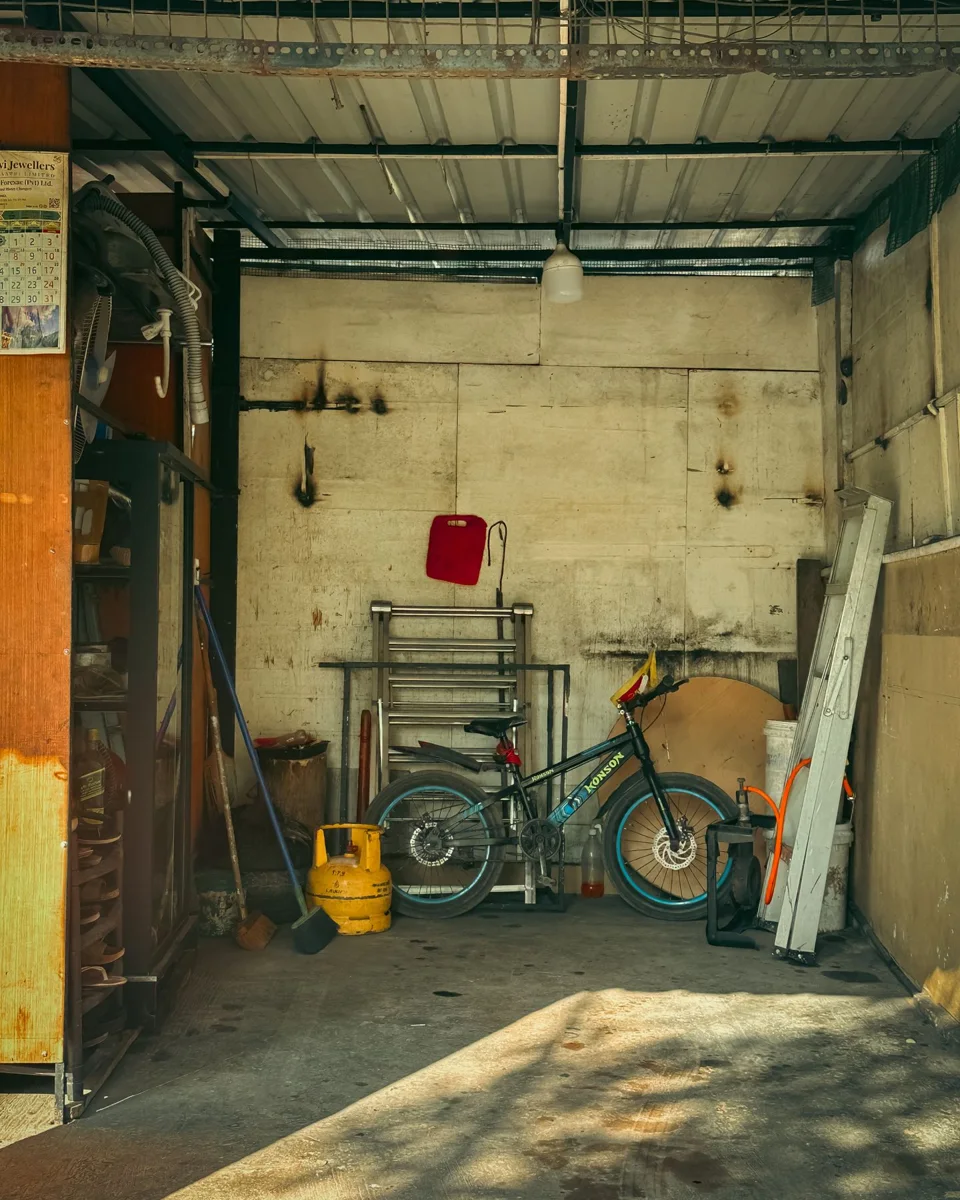
When asking about a garage, describe more than its distance from the house. Relevant details include whether it stands on the same plot, has a separate address or forms part of a shared complex. Explain who uses it and how access works. An overview photograph may clarify the layout but does not replace location information.
NN's UNWV03 wording defines an outbuilding with reference to matters including the household's own plot and exclusive use. This illustrates why an everyday label is not a complete policy description. Check the actual contract's definition before treating a separate unit as an ordinary room of the home.
Name the unit and its contents separately
The garage structure differs from the possessions inside it. Ask separately about the building and the contents. Confirmation about the garage itself does not automatically promise cover for tools, bicycles or stored furniture. Identify who owns the unit as well: renting and owning provide different administrative starting points.
Divide the contents according to actual use. Household storage, a hobby workbench and commercial stock are different descriptions. A car also does not become an ordinary contents item simply because it stands indoors. Identify the particular category in an enquiry instead of combining everything under garage equipment. This allows any relevant exclusions or separate arrangements to be discussed.
Update the description when its purpose changes
A unit once holding empty boxes can later become full of equipment. An older inventory then becomes less useful. Record significant additions and check whether the circumstances previously discussed still apply. Keep purchase and identification information where it remains accessible without entering the garage.
After an incident, distinguish damage to access points, damaged contents and missing property. State what was actually observed and when. Calling the space lockable communicates less than describing the access arrangement. How those facts apply depends on the relevant contract and the investigated event. A clear record supports that assessment without deciding it in advance.