Describe the arrangement plainly
Letting a room within your own home changes how the property is used. You may continue living there and share the kitchen and bathroom. That differs from renting out the entire property while living elsewhere. When contacting the insurer, explain the actual layout and occupancy. Simply mentioning a guest can create ambiguity where a paid rental arrangement exists.
For its home insurance, Univé states that room letting must appear on the schedule and that the tenant's possessions are not part of the landlord's own insured contents. Treat this as a reason to check the relevant policy, rather than a universal description of every insurer's terms.
A furnished room adds another layer
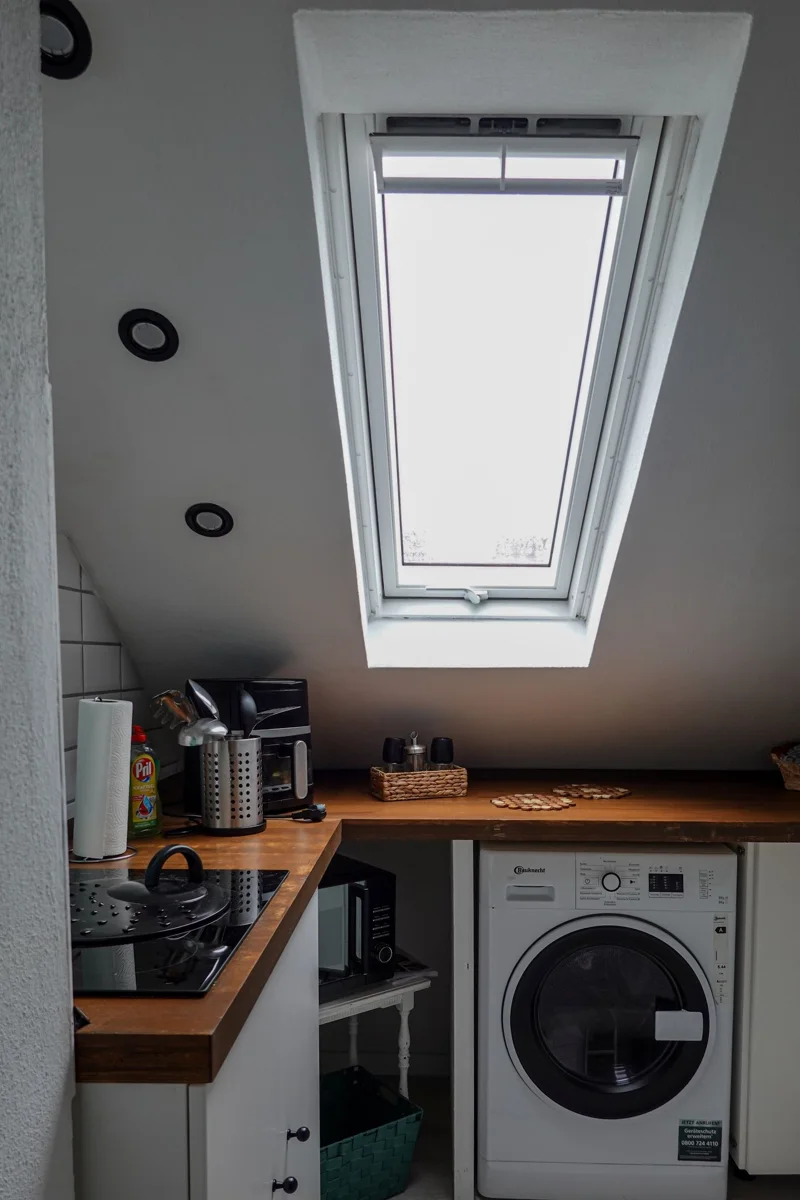
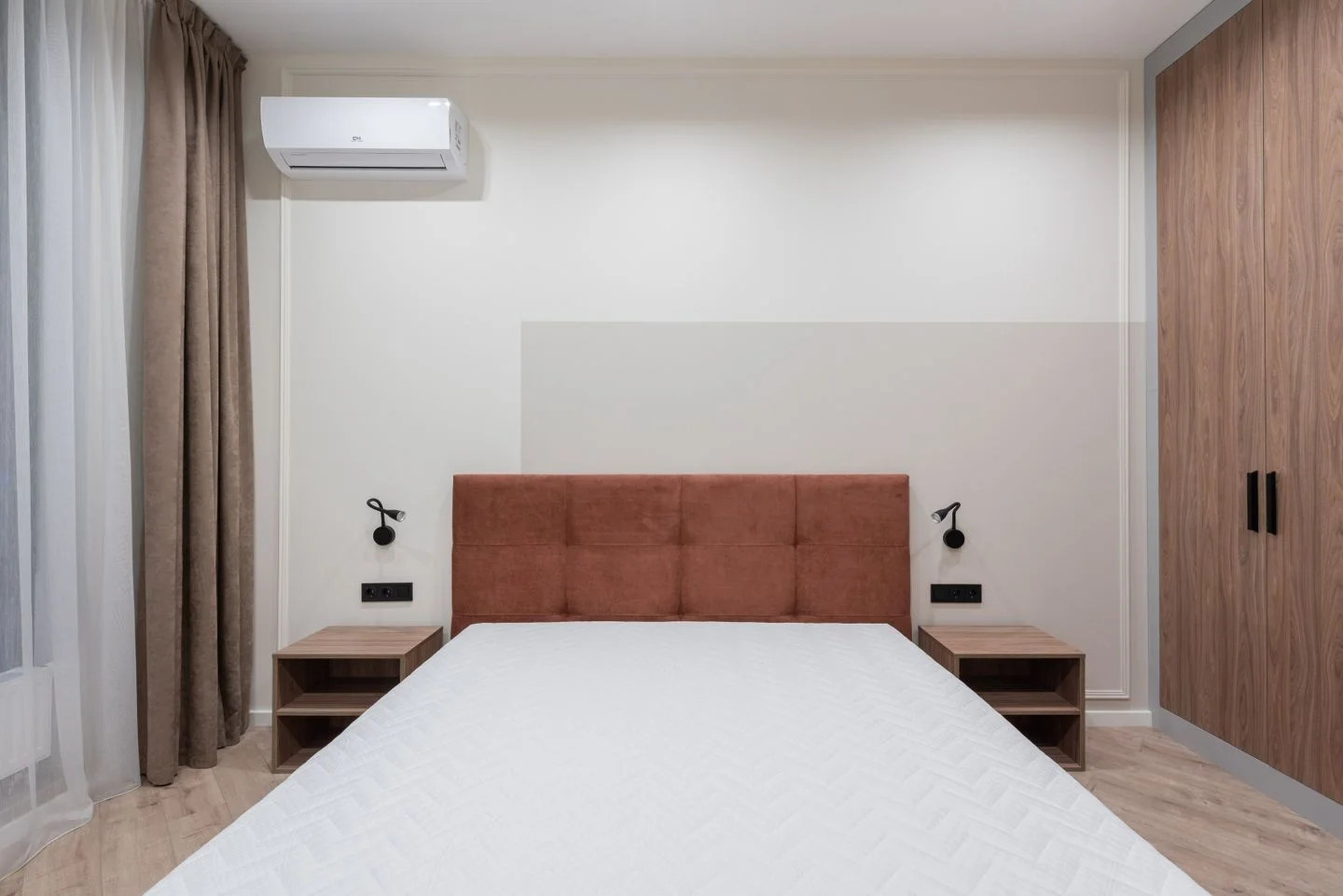
If your bed and desk remain in the rented room, distinguish them from the tenant's clothes and computer. Also identify property in shared spaces. Your coffee machine might be used by everyone without changing ownership. Keep a short handover inventory for furniture you make available to the tenant, including replacements made during the arrangement.
In a coverage enquiry, explain where the object is and which type of event you mean. Fire damage to your desk presents a different question from a lamp knocked over by the tenant. Discussing the first situation does not automatically answer the second. Asking only whether the house remains insured can also leave the contents question unresolved.
Keep the description aligned with actual use
Record changes such as letting a second room or spending a period living elsewhere yourself. The original account may then be outdated. Distinguish the rental start date, the date the tenant physically moves in and the date the change is reported.
A written explanation is easier to retrieve when stored with the applicable policy version and a brief description of the arrangement. It does not replace any permission required outside insurance. For the insurance record, the central question is which residents, possessions and spaces have actually been described. A clearly documented arrangement reduces ambiguity without implying that every possible incident is covered.