The complex has an owners' association, or VvE, and a collective building policy is mentioned. That matters, but does not fully describe insurance for your belongings. A lift, fitted kitchen and movable sofa can raise different questions in one living environment. Begin with documents rather than assuming collective means comprehensive.
Establish what the collective policy describes
Nationale-Nederlanden's VvE explanation separates the building and fixed components from movable apartment belongings, also discussing individual improvements. Use that as orientation; actual collective and personal contracts determine the arrangements.
Ask the manager or board for the relevant schedule, wording and additions. An insurer's name in an annual report does not reveal complete cover. A response identifying the relevant provision is easier to trace than verbal reassurance alone.
Record the applicable period. An earlier incident may concern another version from the documents distributed for an upcoming meeting. Identify the appropriate set rather than collecting as many files as possible.
Distinguish three groups inside
First describe movable personal belongings, then fixed components belonging to the original specification, then known individual or acquired improvements. This is a working enquiry record rather than a final legal ownership list.
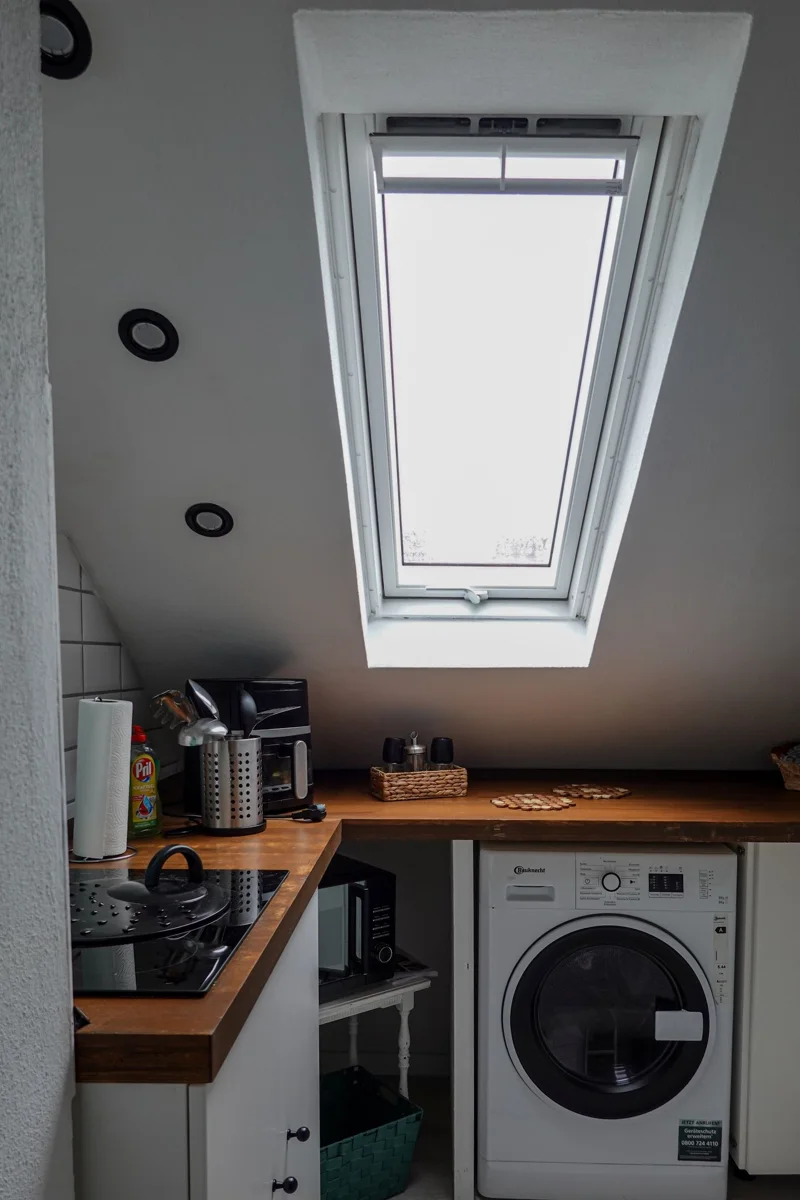
One room photograph can show all three. Explain which component you mean. The image alone cannot tell an insurer who commissioned a cupboard or what the collective description includes.
Do not dismantle components to prove status. Installation records, invoices and existing agreements provide more suitable starting information. Technical or legal classification may need appropriate assessment.
Keep one incident consistent
Suppose an event affects a fixed component and a movable sofa. Record one factual account while separating affected items. Raising a building question for one and a contents question for another does not require inventing two events.
Ask who receives information and assesses each component. Do not assume a report to the manager automatically notifies every personal insurer. Check procedures under the relevant arrangements.
Separate cause and consequences too. The component where a problem started need not be every object subsequently affected. This keeps the account clear without deciding payment responsibility in advance.
Do not lose improvements between documents
Ask how the collective wording treats an altered kitchen, bathroom or floor. A personal extension may matter, but must be read beside actual collective cover. Another complex's product example cannot determine your situation.
Keep explanations with the improvement description. Later work may leave an earlier answer only partly relevant. A date and specific object prevent general reassurance expanding into every future alteration.
Put an unclear interaction to the relevant parties. Avoid writing your own connecting rule where none appears in the documents.
Maintain a small household reference
Record where association documents are available and who answers questions, while keeping personal insurance identifiable separately. A useful overview lists building, movable belongings and individual improvements with their documents and contacts.
It need not predict every claim. Its purpose is showing that one entrance leads to several insurance questions. The collective policy remains a specific agreement rather than a label for everything anywhere in the complex. This also helps another household member understand where to direct a question without assuming that the association will handle every aspect of a personal loss.