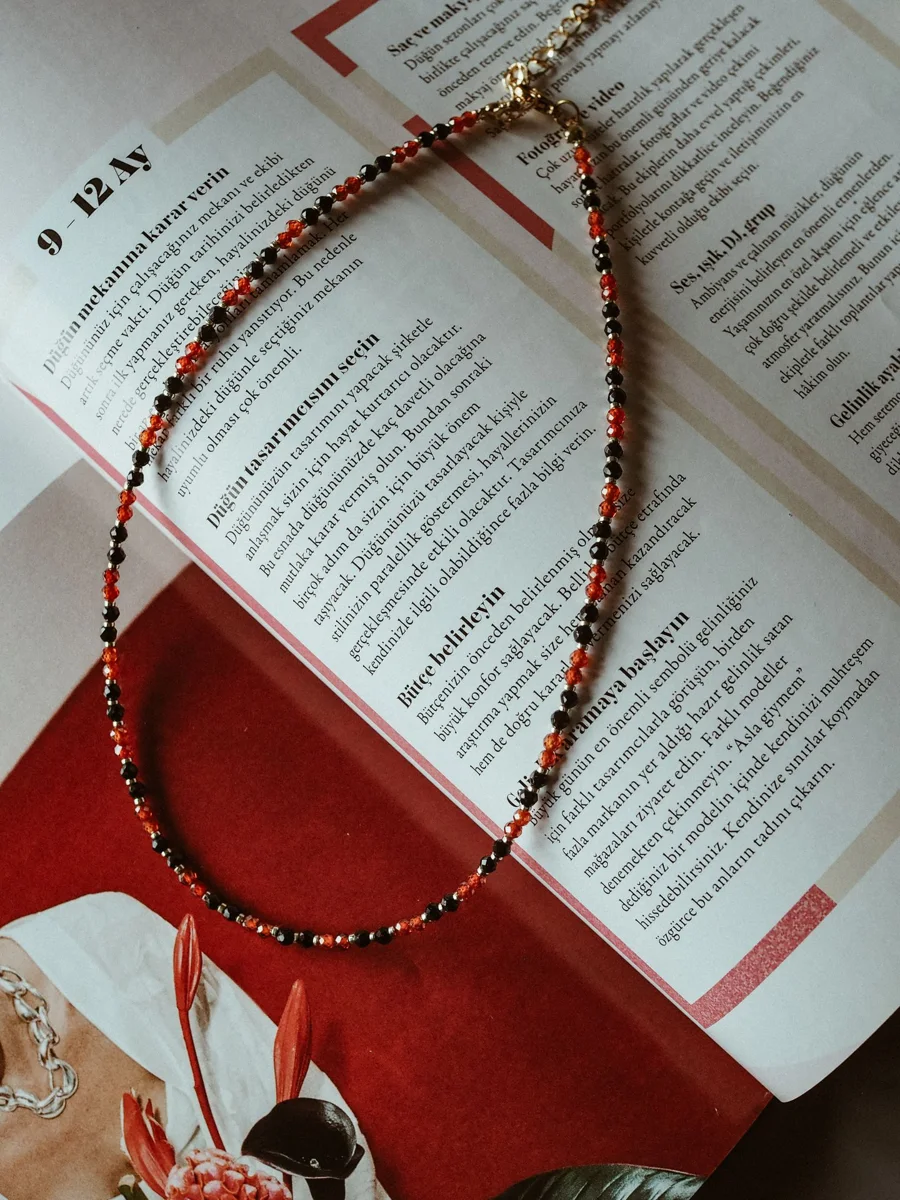
Describe pieces beyond the jewellery box
A jewellery-box photograph provides an overview without necessarily distinguishing similar rings. Give individual pieces a short description and item number. Record object type, known material, colour, finish, and visible features. Photograph an engraving where it is readable without special handling.
Do not automatically record gold, diamond, or a particular year because that description was used in the family. Identify the source and what remains unverified. Existing purchase documents or an expert report may clarify it. An inventory should make uncertainty traceable rather than remove it through assumption.
For earrings or a set, explain what belongs together and whether all parts remain. Separate entries may help with photographs, but should not assign the complete set's price or appraisal independently to each part.
Keep three kinds of amounts apart
A purchase price belongs to a transaction on a date. An appraisal belongs to a described object, report, and purpose. A current shop or advertisement price is a comparison found later. Preserve each label. One value column conceals these differences and can make an amount look more certain than its source permits.
Interpolis discusses purchase records and appraisals as relevant documentation for valuables. The actual document therefore matters. Requirements and its significance must still be checked against the applicable insurance. One provider's arrangement is not a universal agreement for jewellery policies.
Record a report's date, described object, and attachments. Check that its photograph and description identify the same example. If a ring is altered or watch components changed later, retain those details. The old document may otherwise describe a previous condition.
Identify a watch as a complete object
Record brand, version, and available model or identification information. Packaging or a certificate may help, but verify that it belongs to the watch. Similar packaging bought later should not be called original purchase packaging.
Photograph an accessible marking without opening the case. Maintenance paperwork can provide further identification. Retain what it establishes as a maintenance record rather than treating it as a new authenticity or value assessment. Ask which expert documentation is appropriate where a policy requires an assessment.
An extra strap or separately purchased accessory may have its own linked entry. State whether it was included in an earlier amount. The record should explain the whole without making every component another complete watch.
Preserve origin and present status
For gifts or inherited objects, describe known origin and link existing information. Do not invent a purchase date to fill an empty field. Ownership descriptions and appraisals answer different questions and may both remain incomplete.
Update when something is sold, given away, or altered. Older documents can remain in a dated archive. Keep a separate copy and use the agreed channel when supplying information to an insurer. Identification details remain available without circulating the file unnecessarily.