Request a proposal for the identified object
A quote saying repair sofa leaves several questions. Which sofa, which damage, and what treatment? Supply identifying information and ask for it to appear in the proposal. An inventory number can connect multiple objects to their quotations without ambiguity.
Distinguish an initial estimate from photographs from a quotation following examination. Both can help, but they have different certainty. Ask which assumptions were used and whether the amount may change once the upholstery or device is inspected.
Make the proposed work visible
Identify labour, materials, transport, and examination charges. Furniture work might involve cleaning, replacing one covering panel, or repairing a structural part. Ask what the solution is intended to resolve and what remains outside it. A total without a scope is difficult to compare.
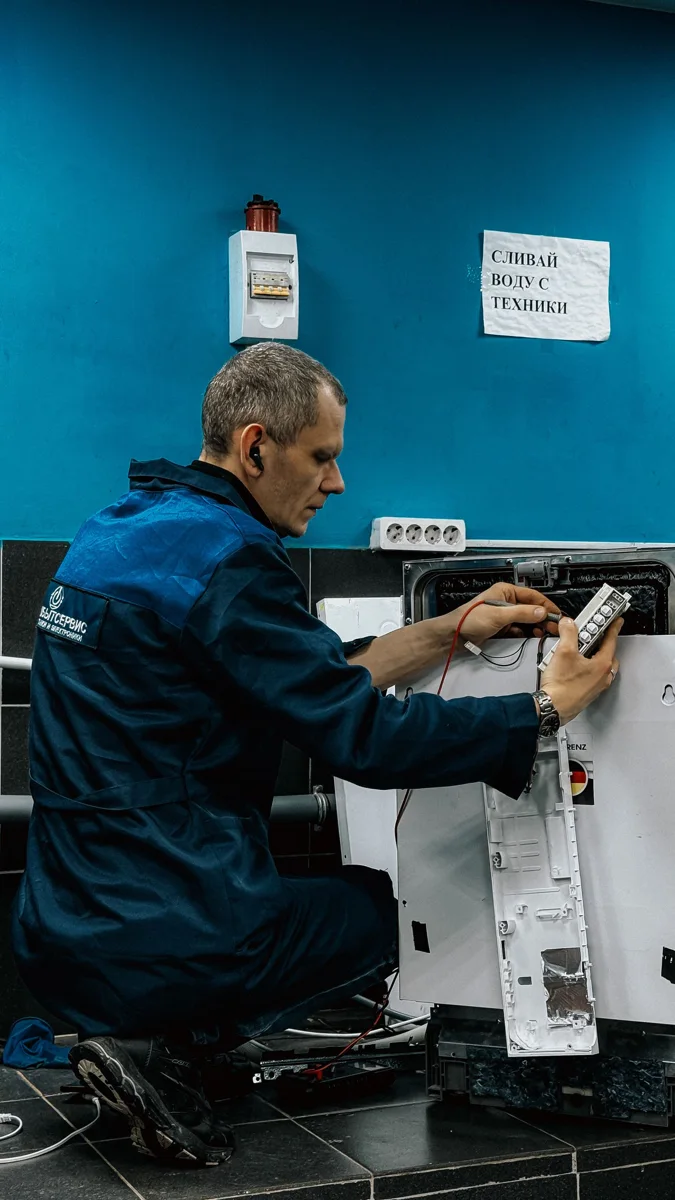
For electronics, technical findings help explain the proposal. An identified failed component says more than a price for a new device. Ask whether examination charges remain payable if you choose not to proceed.
Centraal Beheer treats repair as a distinct settlement situation in its conditions. This illustrates why a repair amount differs from a replacement price. Read how your own wording handles repair and valuation.
Avoid accidentally commissioning the work
Requesting a quotation does not necessarily mean authorising immediate work. Confirm that you want examination or a proposal if that is your intention. Ask whether inspection involves destructive work and what the insurer may still need to examine.
Before permanent work, ask which agreement is required. If safety or damage limitation required immediate action, record the reason and completed tasks. A later coverage discussion is clearer when necessary completed work is distinct from a proposal not yet accepted.
Compare like with like
Two quotations are comparable only when they cover the same work. One may include collection and reinstallation while the other covers workshop labour alone. Identify those differences before describing one as simply more expensive.
Keep revised quotations with earlier versions and obtain an explanation of changes. A newly found damaged component may justify an extension but should remain traceable. Do not add completed work again as a separate loss entry when it is already included.
Before agreement, identify the customer, invoice recipient, and expressly accepted work. A message acknowledging receipt of a quotation is not clear confirmation that every element will be paid or that the contractor has been instructed.
If a repairer proposes optional improvements, ask for a separate line. Restoring the damaged finish and changing the colour of an entire undamaged suite are different choices. Separation helps the insurer assess the loss while allowing you to decide independently whether to commission additional work.