Start with the storage location
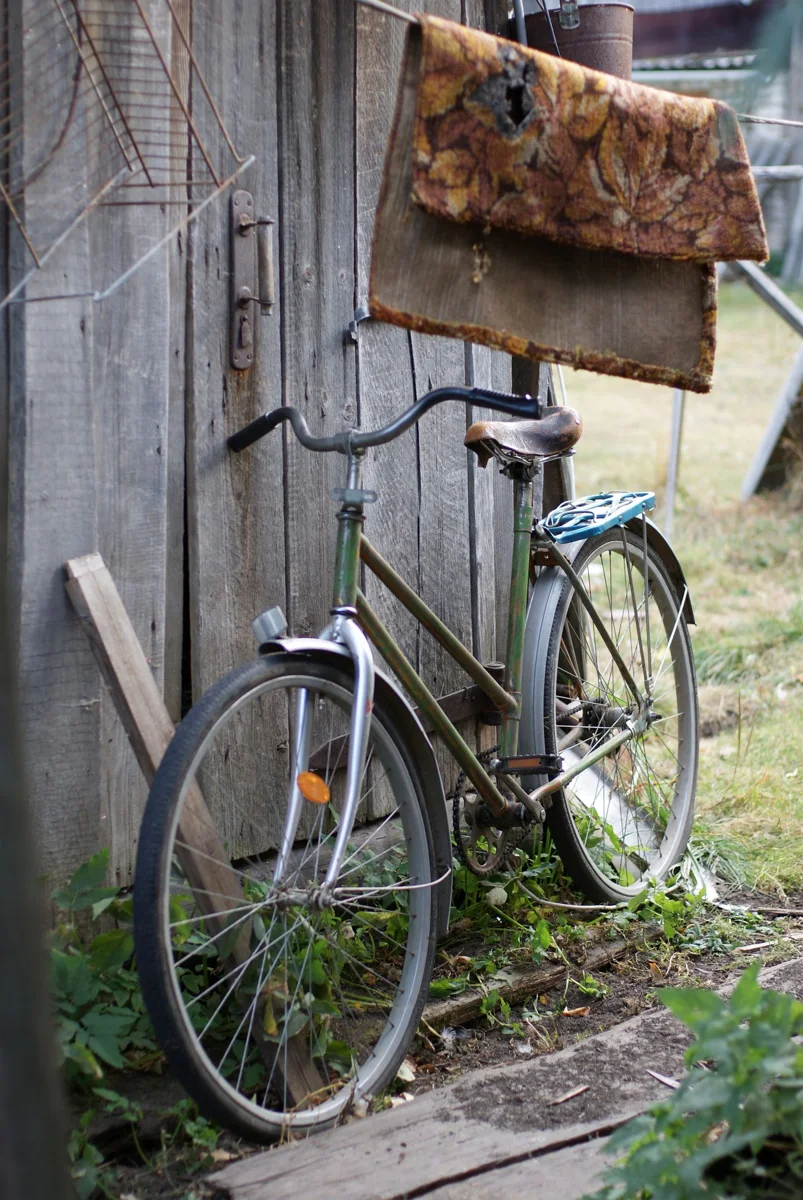
The bicycle has disappeared, but saying it was in a shed does not fully identify the location. Was this your own locked store, a communal bicycle room, or a detached outbuilding behind the house? Record its address, access arrangements, and users. A photograph of the exterior and a description of its relationship to the home help identify the relevant place.
Univé's explanation of bicycles and contents insurance discusses different storage locations. This illustrates why the location wording in your own contract matters. A bicycle policy and a household contents policy are also separate contracts. A bicycle-lock requirement under one does not necessarily match a requirement concerning the shed door under the other.
Record what you know about entry
Describe the door, window, and locks as you found them. Do not say a door was forced if you only observed it open. Where police instructions and safety allow, photograph damage before necessary repairs obscure it. Keep a repair invoice describing the actual defect.
Ask which access condition applies to this type of store. Is the issue visible forced entry, locked storage, the category of outbuilding, or a separate bicycle condition? This is more useful than treating every question as one discussion about whether something was securely locked.
Identify the missing bicycle
Gather the make, model, colour, frame number, and purchase or transfer records. An existing photograph showing distinctive accessories can distinguish this bicycle from another of the same make. For an electric bicycle, state which battery and charger were actually taken. A charger still inside the home does not belong on the missing-items list.
The police encourage property registration. Use available identifiers for the police report and keep the report reference with your insurance notification. Mark later additions clearly. If a relative bought the bicycle, explain that history rather than trying to recreate an absent shop receipt.
If both bicycle insurance and contents insurance may be relevant, disclose that to the insurers. Maintain one record of the loss, noting payments already made and assessments still outstanding. The same frame number should remain traceable across the files. Recovery of the bicycle also needs reporting, including its condition and any accessories still missing; finding it does not necessarily resolve every part of the original loss.