Start with the boundary of the room
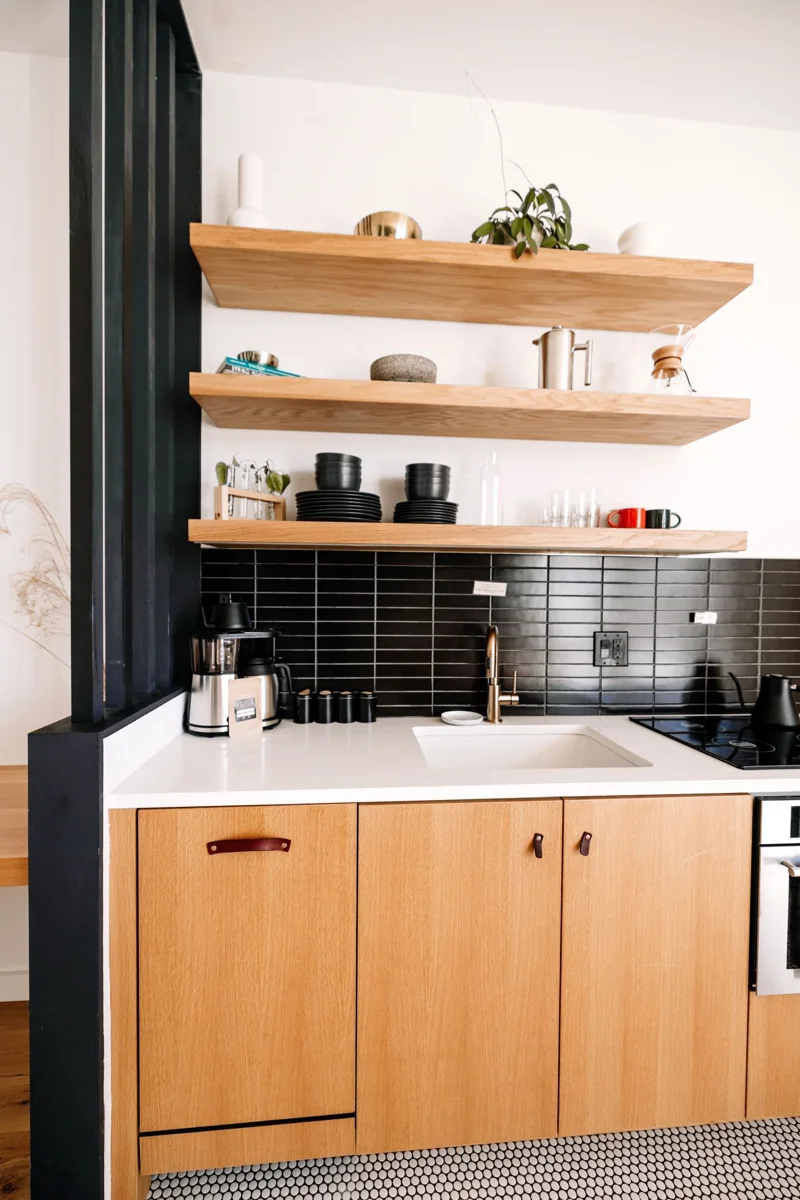
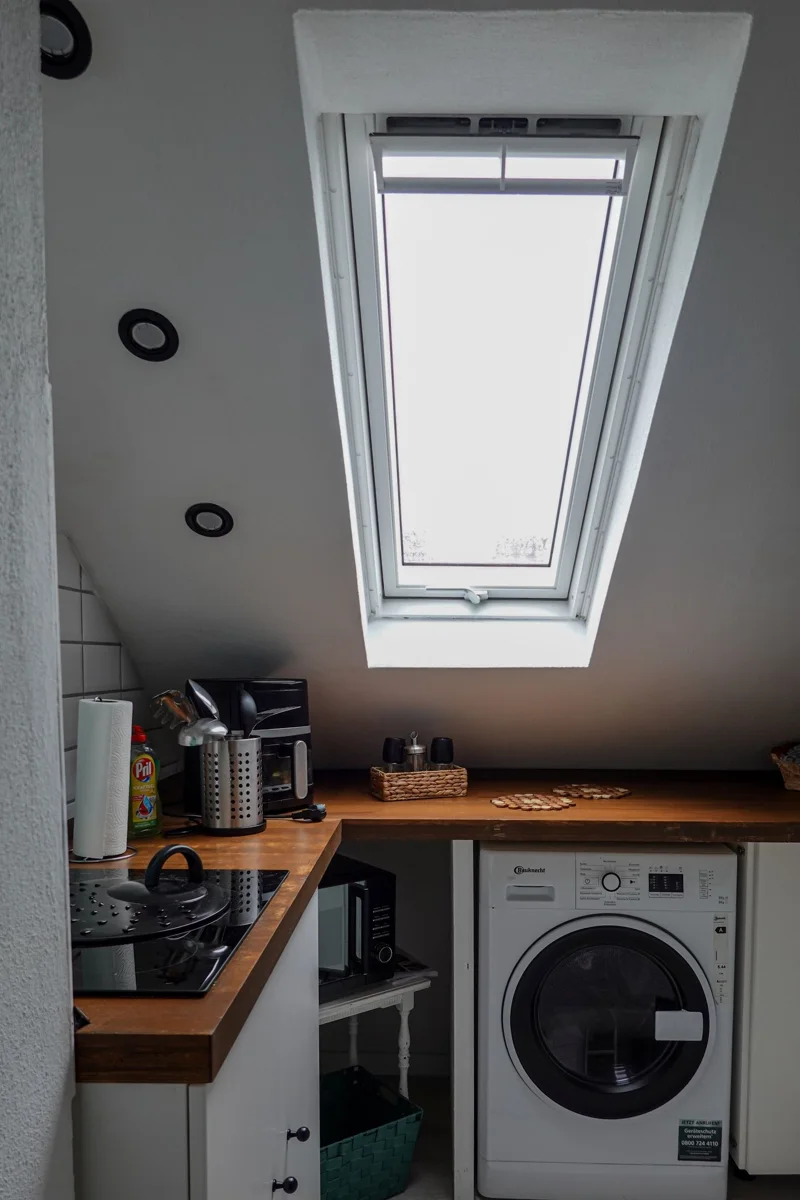
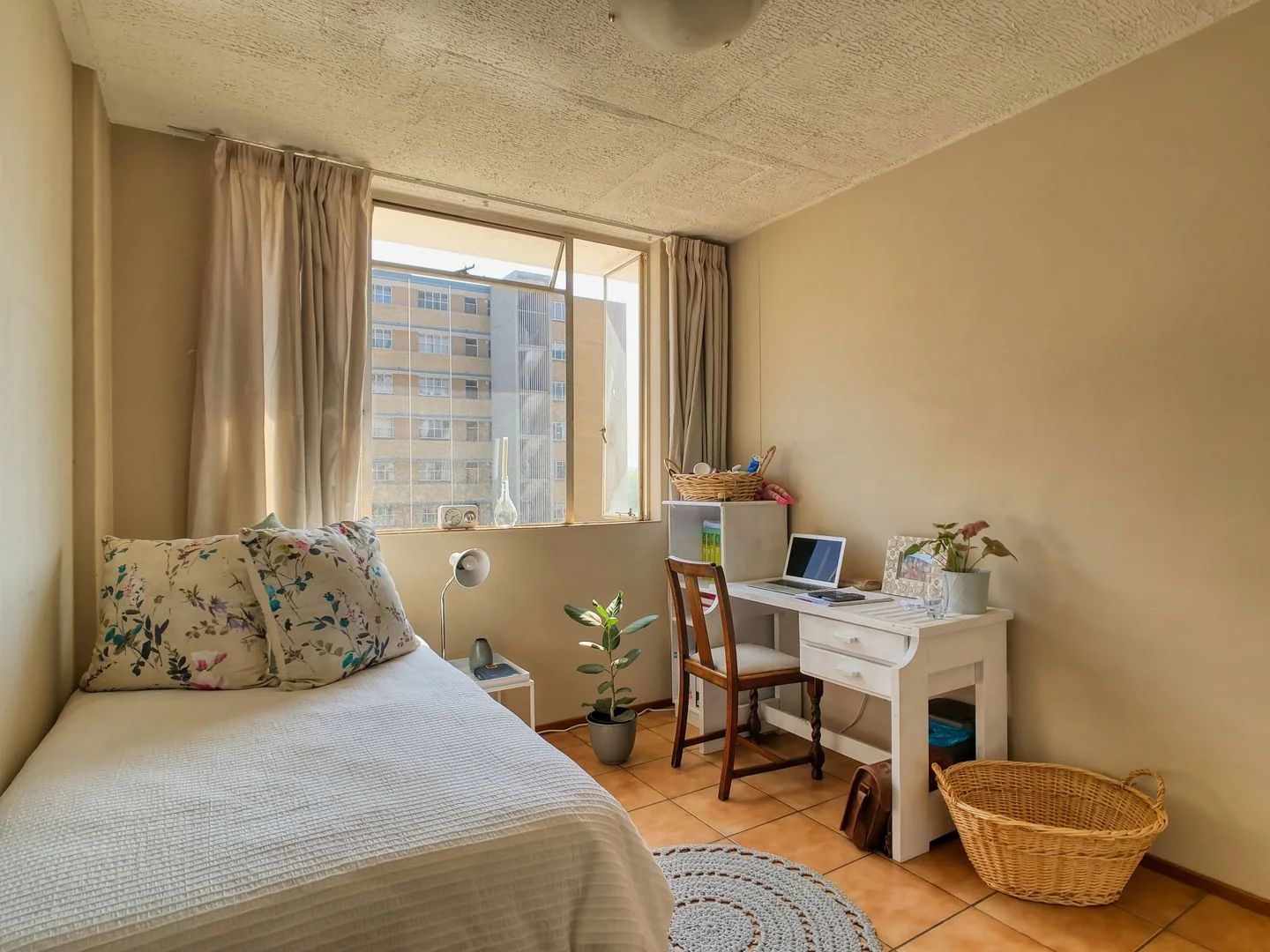
A student room often serves as a bedroom, workplace and storage space simultaneously. The rest of the property may contain communal facilities where personal belongings are also kept. Make a short record of what normally stays in the room and what stays outside it. A monitor and clothes may be in the bedroom, while your own coffee machine lives in the kitchen. This shows which boundaries the policy needs to explain.
Centraal Beheer describes separate insurance at the student's own address and a room-locking requirement for theft under its student offering. These are product conditions, rather than evidence that every student policy draws identical boundaries. Read the wording applying to the actual policy, particularly where residents share an entrance but each bedroom has its own lock.
Shared use does not establish shared ownership
Four residents might use one refrigerator even though only one person owns it. Alternatively, the landlord may own all the large furniture. For important shared items, note who bought them and where the relevant agreements are kept. When residents change regularly, a kitchen photograph alone will not explain that division later.
For personal equipment, retain an identifiable description and any available purchase record or serial number. If a parent gave you the device, record that it was a gift. An older receipt bearing the parent's name would otherwise leave part of the story unexplained. Avoid placing housemates' complete identity documents in a jointly accessible inventory.
Away from the room is a different situation
A laptop at the library and a laptop on your desk occupy different locations. The same applies to possessions left with parents during holidays. Ask about the places where belongings are actually kept and used; asking simply whether students are insured is too broad.
Finally, ensure the accommodation description is accurate. A room in a shared house is not automatically equivalent to a self-contained studio. Moving rooms within one building can also change the relevant room number or access arrangements. Keep the description of that change with your documents rather than assuming an unchanged street address settles everything.