Identify the unresolved question
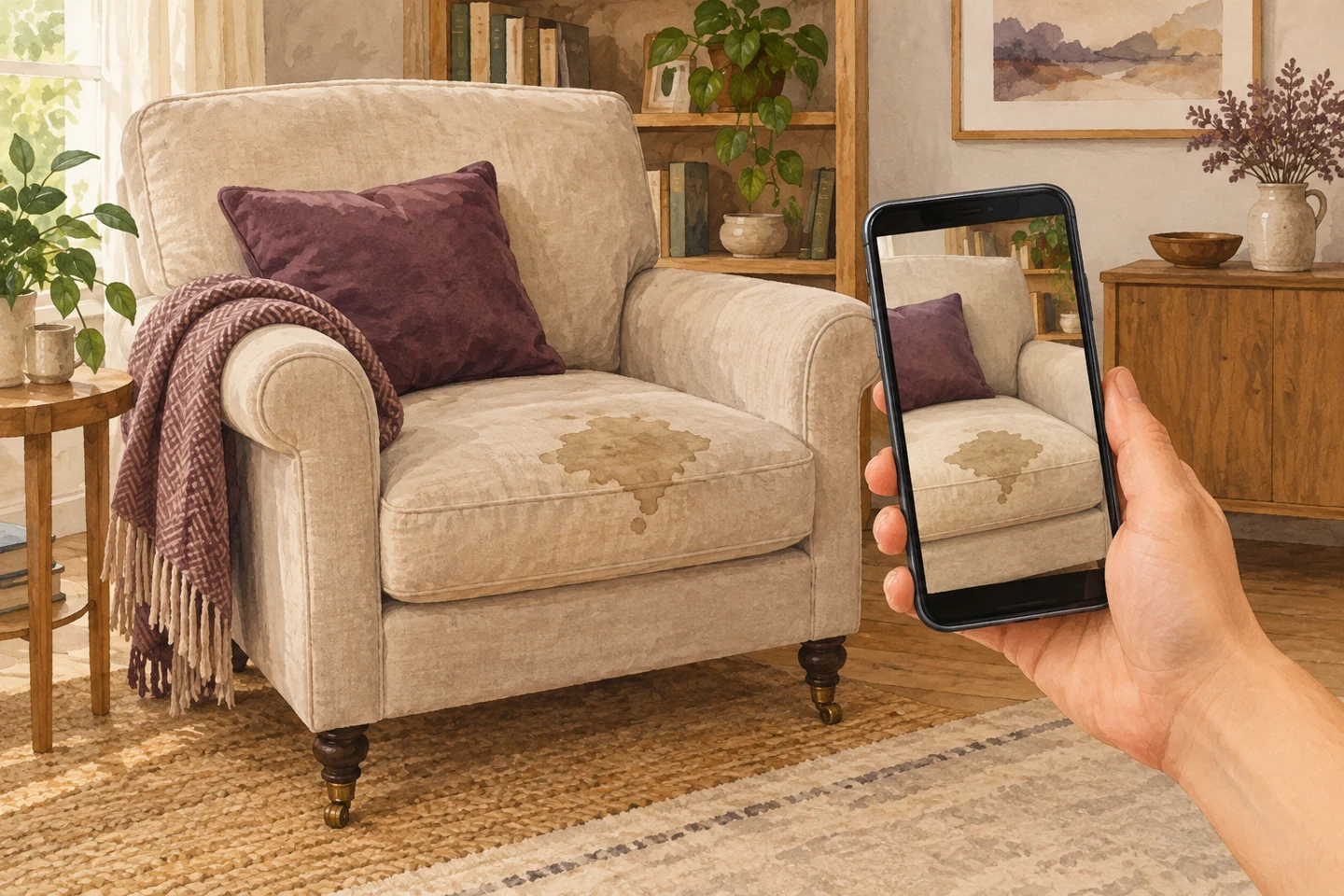
When the receipt is missing, first ask what remains unestablished. Is the issue ownership, specifications, age, price, or the damage itself? One document need not answer all these questions. A photograph showing the sofa in your living room supports a different point from a payment to a furniture retailer.
Interpolis discusses information relevant to reimbursement for damaged belongings. Ask your handler which existing records can be considered in your circumstances. An alternative evidence route does not guarantee that every amount or statement will be accepted.
Bring existing records together
Look for an order confirmation, digital invoice, registration or warranty email, repair record, or relevant bank transaction. A retailer may be able to supply a copy of the original invoice. Ask using available order details rather than creating a new receipt yourself.
A payment can cover several products. Explain the part related to the damaged object where you can support that allocation. Do not remove wording showing that the order included other items. Supply financial records securely and ask how unrelated transactions can be obscured without making relevant evidence unreadable.
For a gift, the giver may hold purchase information. For a second-hand purchase, existing messages and transfer records may support the history. State that situation accurately rather than presenting a retail price as the amount you personally paid for a new object.
Keep identity and valuation distinct
A label or earlier picture may identify the model. A current shop page can describe a comparable model but does not prove your purchase or pre-damage condition. Record when the comparison was made and why it is considered comparable.
Make uncertainty visible. If the purchase month is unknown, leave it unknown or label an estimate. An exact-looking date reconstructed from memory does not improve the file. Add a short explanation of the point each attachment supports.
Where information is considered insufficient, request a focused explanation. That allows you to look for the missing element instead of repeatedly sending the same collection. Preserve the initial notification and later additions so the development of your knowledge remains visible.
If a relative supplies a statement, identify their relationship and what they personally know. Owning the original receipt, remembering a gift, and having seen the object at home are different kinds of knowledge. A statement should not imply direct knowledge of a price or date the person cannot actually recall.