A desk reveals little about the activity
A home workspace might be used for administration, making objects, meeting clients or storing products. Start by describing what actually happens there. Room size is only one characteristic. Who visits, who works there and which belongings are used make the circumstances more concrete. A room label alone leaves those details unresolved.
Distinguish an employee using a computer at home from someone running a business from the property. Equipment ownership may differ, as may the use of the room. One entry saying home working does not adequately explain those distinctions when asking a coverage question. Include activities that occur occasionally as well as the principal daily use.
Assess the space and its contents separately
Interpolis's information for new businesses sets out separate conditions for the home and for property bought or used privately or commercially. This is a specific product classification, rather than a rule placing every small business within private home insurance. Ask about the actual combination of activity, location and ownership.
Confirmation that the building can remain privately insured does not establish how stock or business equipment is treated. Identify those separately. Conversely, an answer about a laptop does not fully explain a workshop also containing machinery or receiving customers. The description used in the enquiry should not be narrower than the actual activity. Keep relevant changes visible as the business develops.
Give the inventory two identifiable functions
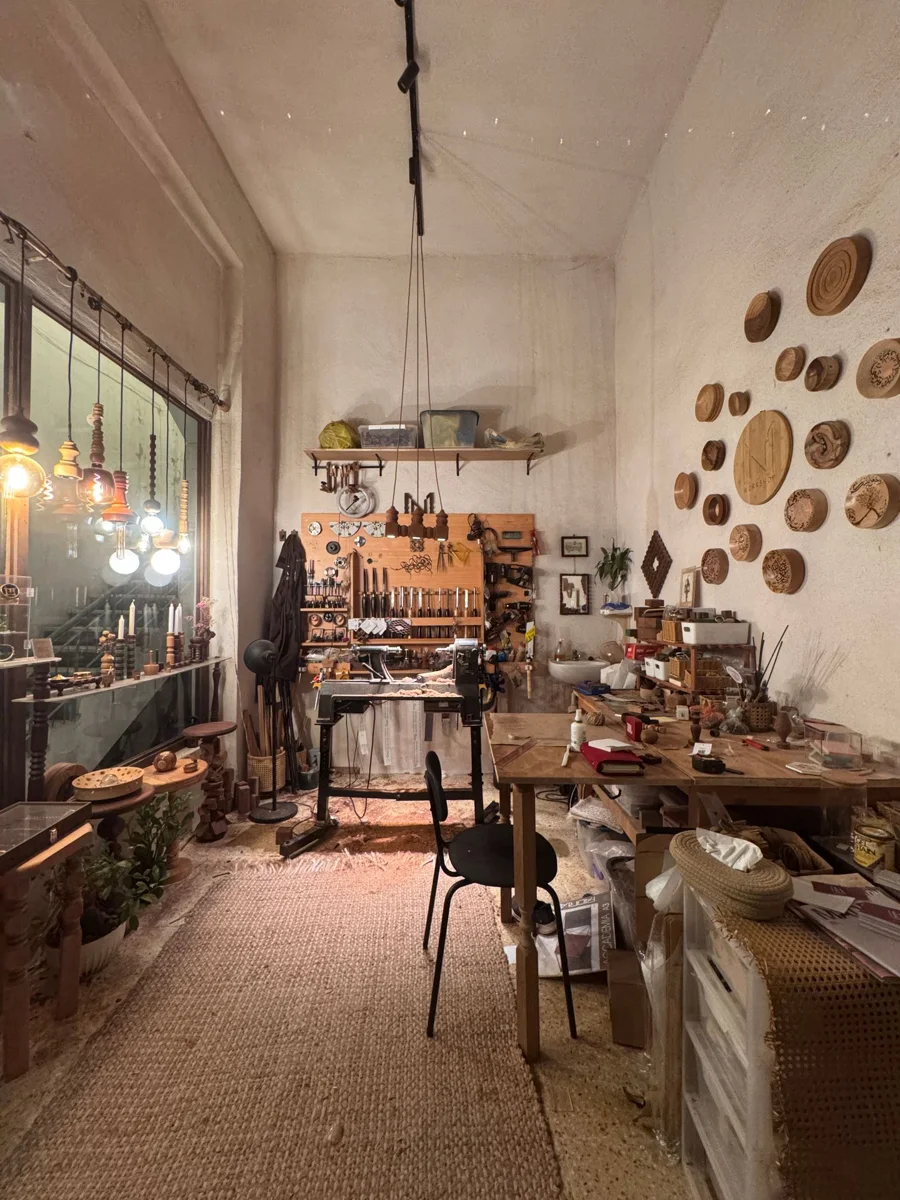
For significant items, state whether they are household belongings, business equipment, stock for sale or another person's property. A workbench and a collection of finished products have different functions even when standing together. A purchase made in the business's name deserves an identifiable entry rather than just a room label.
For mixed use, retain a factual explanation. A personal printer may also print work documents and a workspace may sometimes serve as a guest room. The purpose is not to create an artificial division on paper but to describe the actual combination. State uncertainty about ownership or purpose rather than filling the gap with whichever classification appears more convenient.
Activities often expand gradually
An occasional activity can grow to involve more materials, customers or workers. An older explanation may have concerned a smaller or different arrangement. Use a change in the room's contents as a prompt to review the description. This might be the point when storage moves to another room or a machine is added.
When asking a question, record which activities and items were mentioned. Keep the response with that account. The explanation then remains connected to the facts behind it. A general confirmation without context is harder to apply later if the room has acquired a different function. A date helps distinguish the earlier arrangement from the revised one.
Recognise separate interests after damage
One incident can affect both household belongings and work materials. Keep those components identifiable in the report and name the different owners. Physical damage also differs from lost turnover or working time. An answer concerning a damaged table does not establish the position of business interruption.
Describe known events without deciding in advance which policy must handle everything. The inventory supports the discussion by clarifying objects and use. Assessment still requires the actual contracts and circumstances, including arrangements concerning business activities within the home. Retain relevant business documentation separately from unnecessary private records so the initial enquiry stays focused on the affected property.