One incident can leave different traces
After a fire, belongings may have smoke, heat, and moisture damage simultaneously. Do not create three complete replacement entries for the same sofa. Identify it once and add the separate findings. That keeps the loss understandable.
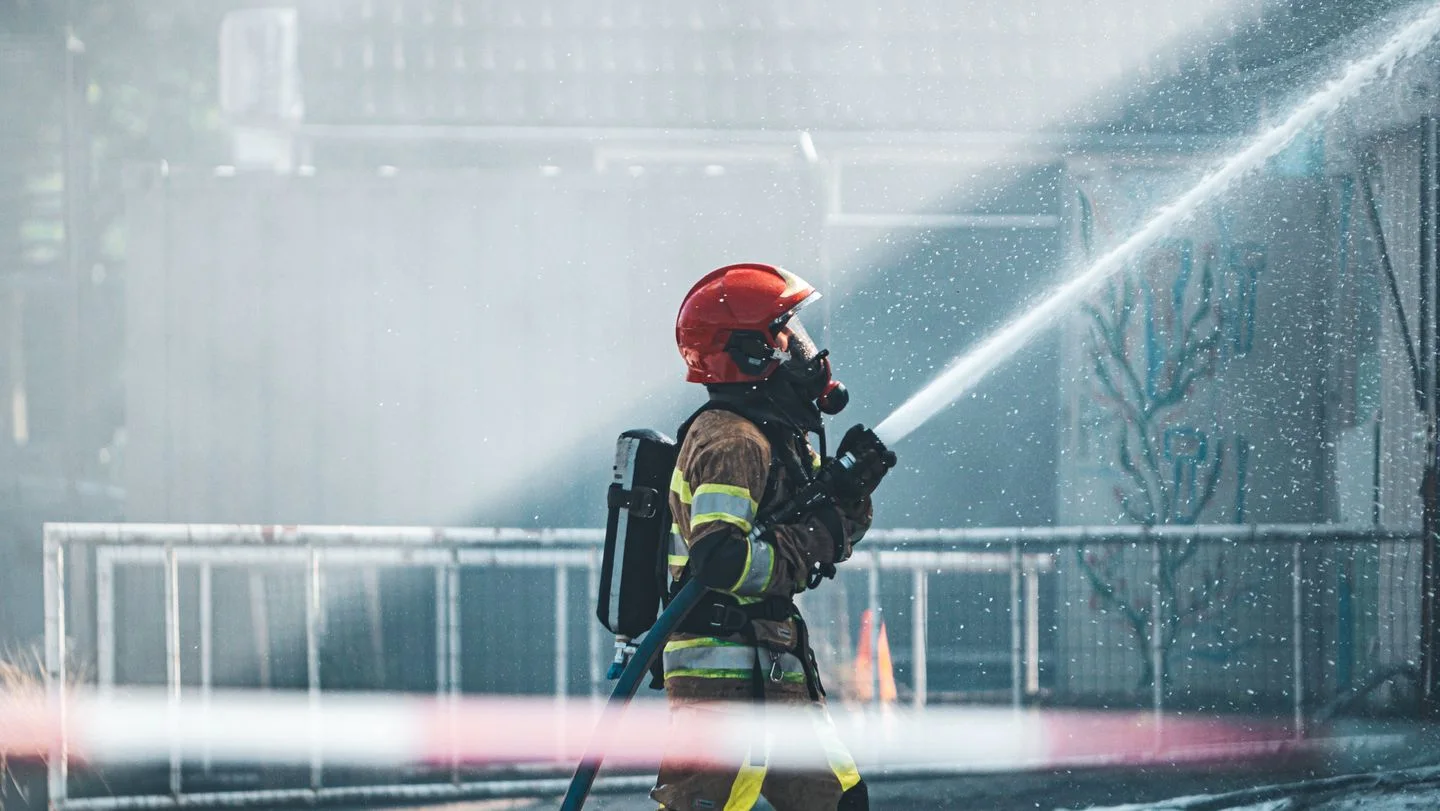
Interpolis includes firefighting among possible damage sources in its fire explanation. This supports recording wet belongings, not assuming every drying or replacement invoice qualifies automatically. The policy and assessment still matter.
Safety and coordination
Enter only when access is permitted and safe. Follow responders' and restoration businesses' directions about moving, cleaning, and disposal. Do not touch wet electrical appliances or switch them on to test them. Another function test is not a necessary way to prove damage.
Ask who coordinates initial measures. The building, shared areas, and personal belongings may all be affected. In rented homes or apartments, identify instructions and contacts. One business can perform several tasks without turning all its charges into one insurance item.
Record the wet item's condition
Note where it stood, what was visibly wet, and when it moved. Where safe and possible, take wider views before the room changes and details identifying each object. A list saying everything in the room is less useful than identifiable items or clearly described groups.
Have a suitable specialist assess treatment. Drying, cleaning, technical examination, and replacement are different solutions. Request a condition record and an account of work actually performed. Keep equipment hire and transport identifiable when charged.
Clear safely without losing the record
Ask which objects or components are needed for inspection. If immediate disposal is necessary, record the reason and condition where safe. Retain removal records and identify who authorized the work. Dangerous remnants need not be kept solely for an administrative preference.
Update the list when more becomes visible but retain the earlier version. This distinguishes initial findings from damage discovered during dismantling or drying. Submit additions under the same reference and avoid presenting one treatment or object again as an entirely new loss. A dated record of movement between the home, storage, and restoration premises can help keep the same object traceable throughout.