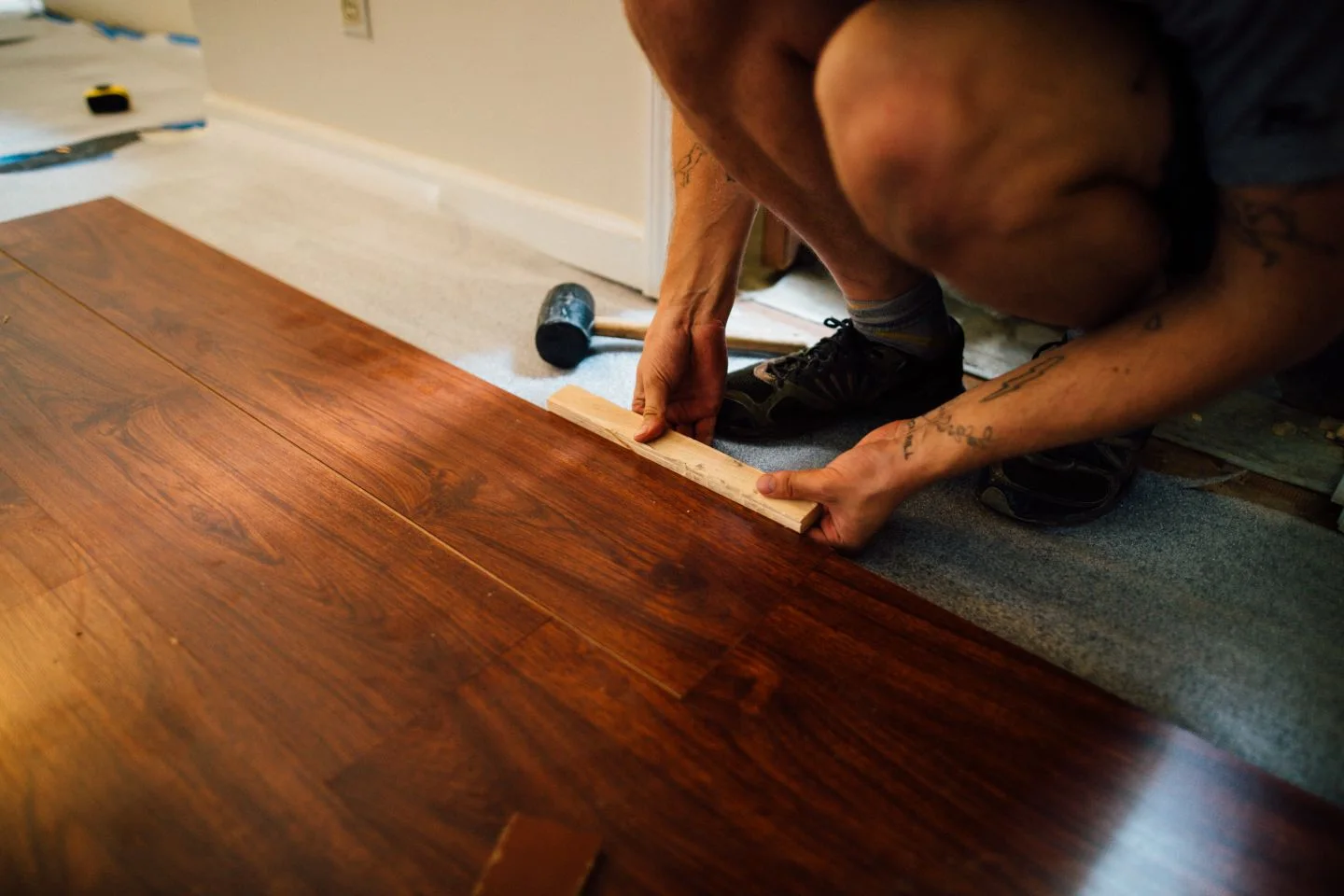
A wood-effect surface does not identify the insurance category
A photograph of wood-coloured boards does not show how the floor is fixed. Record whether it is click laminate, bonded flooring, or another construction, insofar as known. Keep purchase and fitting invoices. If the build-up is unknown, ask a flooring business to describe it rather than lifting the floor yourself solely for evidence.
Centraal Beheer uses click laminate and a fixed bonded floor as different examples in its explanation of contents and building insurance. Use that distinction to read your own definitions. Appearance or the word laminate on a shop receipt may not fully identify the relevant category.
For rented homes and apartments, establish who installed and owns the floor. An improvement you paid for may raise a different question from the landlord's original floor. Put tenancy arrangements, transfer records, or association information alongside the conditions. Ask who should notify which damage rather than assuming one insurer deals with every layer.
Keep the layers distinct
Describe swelling, open joints, and discolouration by location. Separate laminate, underlay, skirting, and structural floor. A damaged underlay is not a second claim for the same laminate; it is a different layer involving different work.
Ask which areas the repairer examined and which findings remain uncertain. Suspected moisture beneath the floor differs from a recorded measurement. Keep examination results with their dates and positions. Explain where furniture was moved so later photographs are not mistaken for the original scene.
The water source remains a separate question. A sudden leak, recurring damp, and rain entering an open window do not describe the same event. Use an accurate timeline for the source and the floor. Classifying flooring as contents does not establish cover for every possible moisture problem.
An estimate should explain its extent
Request quantities or area, affected rooms, and work for each layer. Ask why local repair is or is not considered possible. A colour difference from older boards may need discussion; it does not automatically establish that all floors in the home require replacement.
Identify undamaged areas and whether doorways or thresholds separate rooms. Ask how these details affect the assessment. Disposal, drying, materials, and fitting should be distinguishable where possible. That shows whether an amount concerns emergency measures, investigation, or permanent repair.
Retain earlier pictures and purchase records, and ask what inspection remains necessary before disposal. If immediate action is necessary, document the condition and reason. Dividing source, floor layers, ownership, and remedy gives the discussion more substance than simply saying the whole floor is wet.
Check the final proposal against the quotation as well. If the contractor includes an unrelated floor upgrade or work in an unaffected room, identify that separately. Agreement to inspect water damage is not a clear record of agreement to every item on a later building invoice.