Laminate is not a complete description
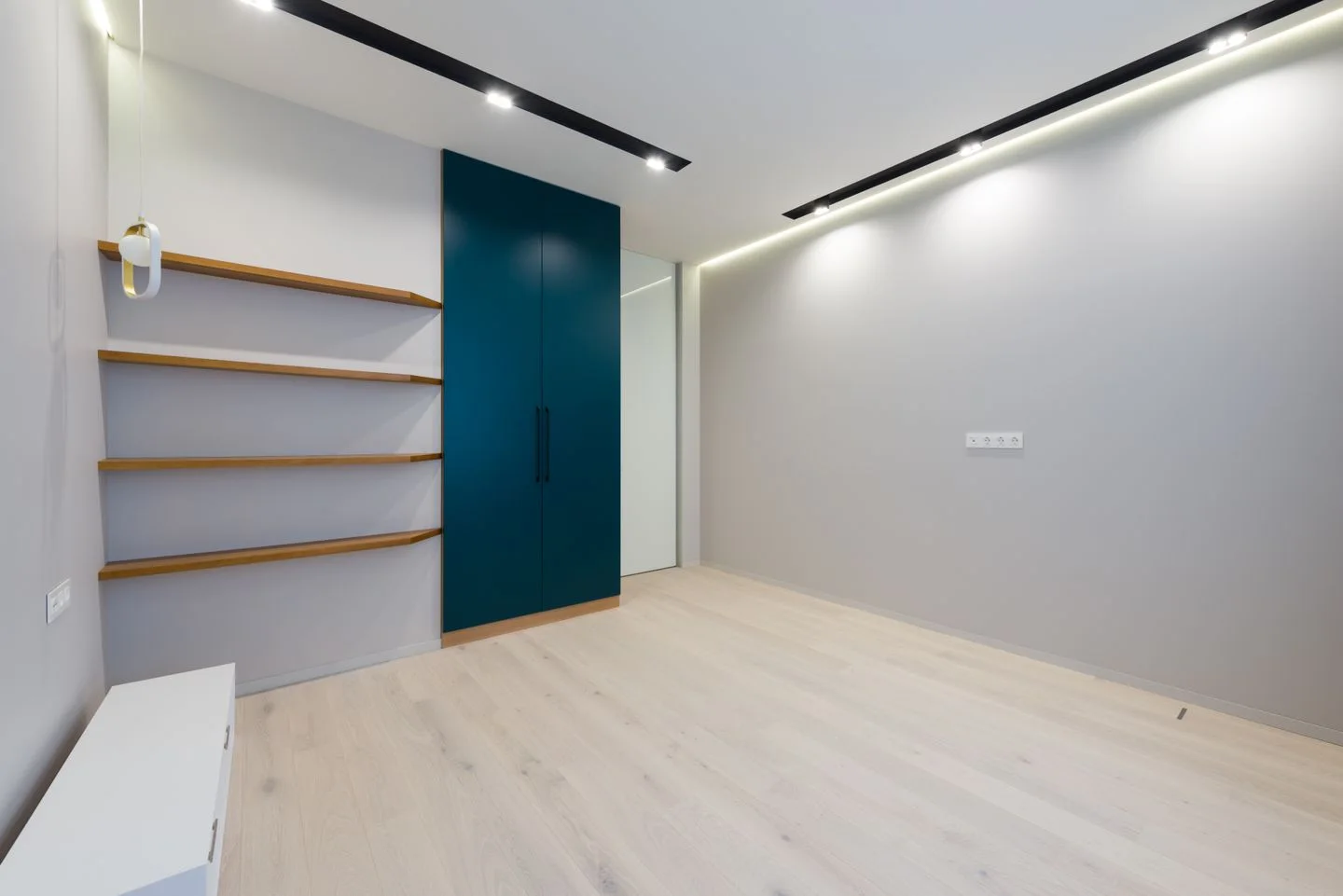
The same material name can describe different installations. Flooring may be floating or glued down, while the visible covering is not necessarily the structural floor of the property. Record what is known about the installation, who commissioned it and which documents are available. Laminate or carpet alone leaves significant questions unresolved.
You do not need to lift the floor to gather this information. A quotation, invoice, product specification or handover record may describe how it was laid. If the information is unavailable, record the installation method as unknown. Leaving an uncertain detail open is more accurate than drawing a firm construction conclusion from a photograph. A picture can show appearance without revealing the fixing beneath it.
Tenant improvements and loose coverings
Rabobank's explanation of tenant improvements distinguishes glued flooring from loose-laid coverings within the Interpolis arrangement described. The next questions remain who paid for the floor and which insurance arrangements apply to the property. A material name should therefore not become a universal insurance classification.
A tenant may have acquired flooring from the previous resident. Keep the transfer record and a description of what was acquired. For an owned apartment, collective building insurance can provide a different starting point. Owner improvements then require their own check: an explanation addressed to tenants cannot automatically be applied to an apartment owner. Keep the relevant building documentation with the floor information where available.
Continuous flooring crosses room boundaries
Flooring can run visually from the hallway through the living room and kitchen. This does not establish that every section must be replaced after any damage. For a particular incident, record which rooms and sections were actually affected. Where safe, take both room-wide photographs and detailed views. The relationship between affected and unaffected areas should remain visible.
Ask for quotations to distinguish the work involved. Removing damaged covering, restoring an underlayer and installing new sections are different items. A single unexplained total makes the proposed repair harder to understand. Ask how the insurer assesses repair, replacement and possible colour differences; do not begin from an assumption that an entire floor level will be reimbursed.
The cause remains a separate issue
A covering may belong to an insured category while the cause of damage falls outside cover. Conversely, an insured water event does not establish which owner or insurance section applies to every affected layer. Keep the event, damaged components and ownership separate in the report. A building floor, an underlay and a decorative covering need not have identical positions.
Retain findings about moisture or the underlying surface with the photographs after investigation. Leave technical assessment and remedial work to the appropriate professional. Your own record should identify what was present and what changed. It should not become a predetermined conclusion about the cause or the need for complete replacement. Clear descriptions support assessment while preserving uncertainties that still need investigation.