Do not combine the source with every consequence
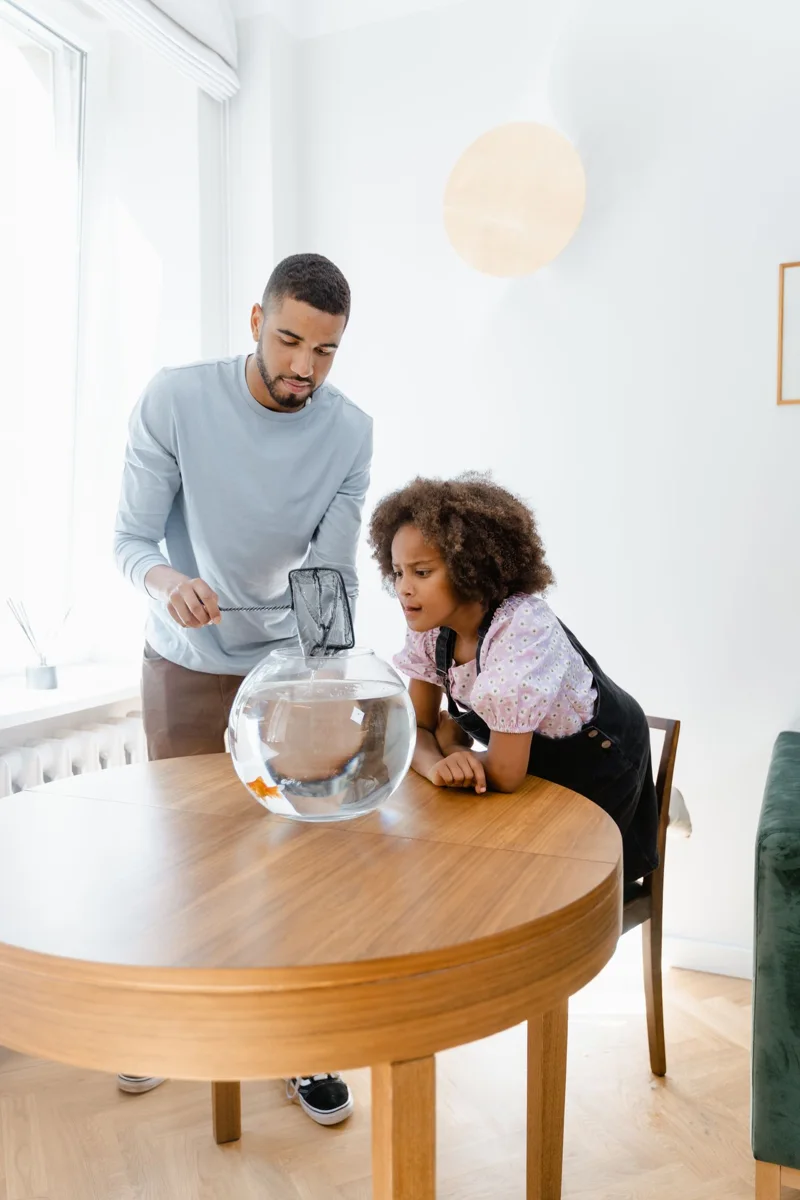
Water from an aquarium can reach a cabinet, floor, and loose possessions. The cracked tank pane is nevertheless a different object from a wet rug. Create distinct entries for the tank, its fittings or equipment, and belongings outside it. An answer about the tank itself then need not be mistaken for an answer about all resulting damage.
Univé includes a leaking aquarium as an example on its water-damage page. The applicable conditions define the event and exceptions. Check for separate wording about the tank, its contents, or animals too. Cover for escaped water does not automatically answer every question about an aquarium setup.
What is known about the leak?
Record when it was discovered and what you could see: broken glass, water along a seam, or moisture near a connection. A wet cabinet beneath the aquarium does not establish the escape point by itself. If a professional later identifies a cause, add that examination visibly alongside the earlier observations.
Note recent maintenance, work, or movement, without treating timing alone as proof of a mistake. Keep existing messages about an earlier leak or repair. A recurring problem should remain visible in the chronology rather than being reduced to its latest discovery.
Do not approach electrical parts unsafely in a wet area. Obtain appropriate help where there is danger and follow qualified professionals' instructions. Moving or temporarily accommodating animals may require separate specialist assistance. An insurance notification is neither an emergency-repair manual nor animal-care guidance.
Make each loss item identifiable
Where safe, photograph the arrangement and accessible damage. Record belongings moved to limit further loss. For a cabinet or rug, identify its position relative to the tank, observed condition, and available purchase evidence. A wider view shows spread; close details help a restorer decide what needs examination.
Ask the restorer to distinguish loose belongings from fixed building parts. Is the flooring your loose floor covering, a landlord's fixed floor, or an improvement you installed? That question remains relevant even after the water source is established.
Retain damaged components where safe and discuss necessary disposal beforehand when possible. If a part cannot remain for safety reasons, record its condition and why it was removed. In the final assessment, identify the items already considered and those awaiting technical findings. Payment for one rug does not establish that the whole aquarium arrangement has been assessed.
Check quantities carefully as well. A damaged pump and a replacement tank package may both appear on quotations, but a package could already include a pump. Identify what each proposal contains to avoid counting one replacement component twice.