An improvement is not simply movable furniture
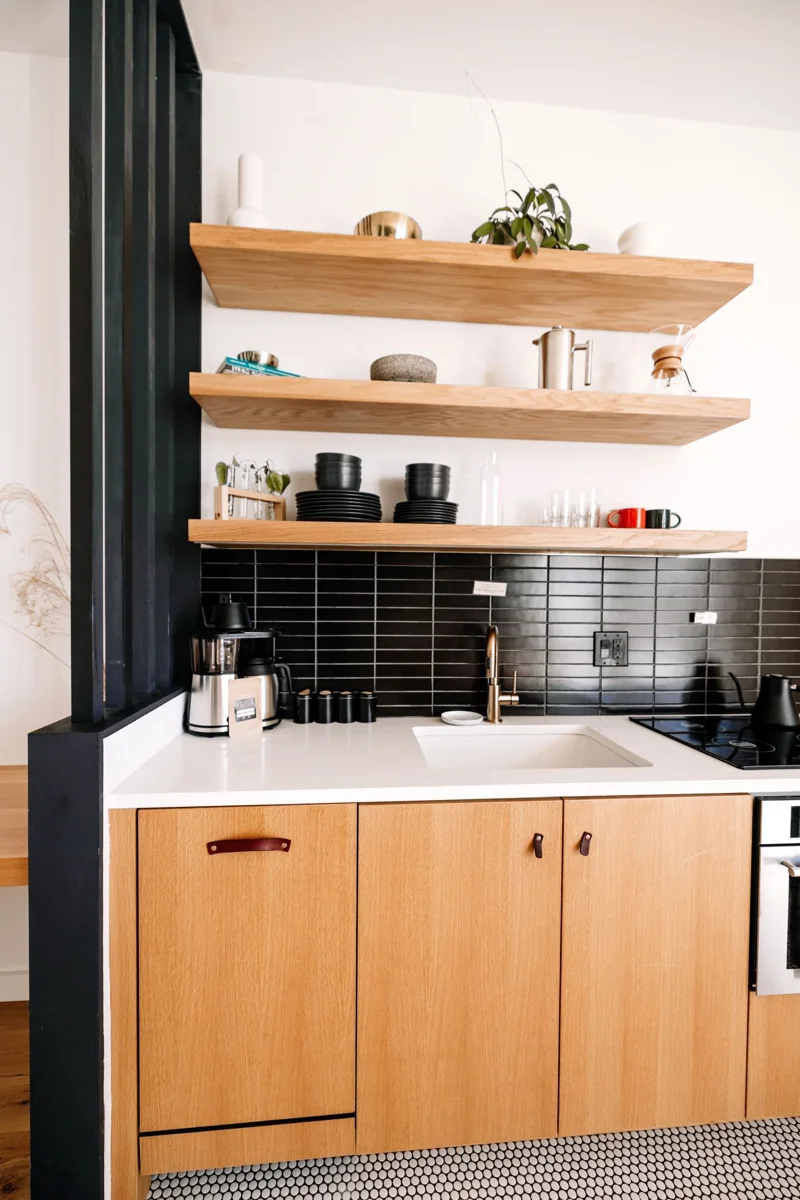
After buying an apartment, you replace the fitted kitchen. That involves more than new belongings: fixed components may change in a way relevant to buildings insurance. Establish what was installed and how it differs from the earlier specification before examining an owner-improvements provision.
Univé explains that individual improvements are not always included in the association's building policy and describes owner-improvements cover within its contents offering. This calls for checking the actual collective and personal arrangements, rather than assuming every improvement is uninsured until separately added.
Describe the earlier and present specification
Keep available purchase, completion and alteration records. A total works figure does not identify every component's value. Ask for an existing breakdown where needed and available. Inventing how an old bill might have been divided does not help.
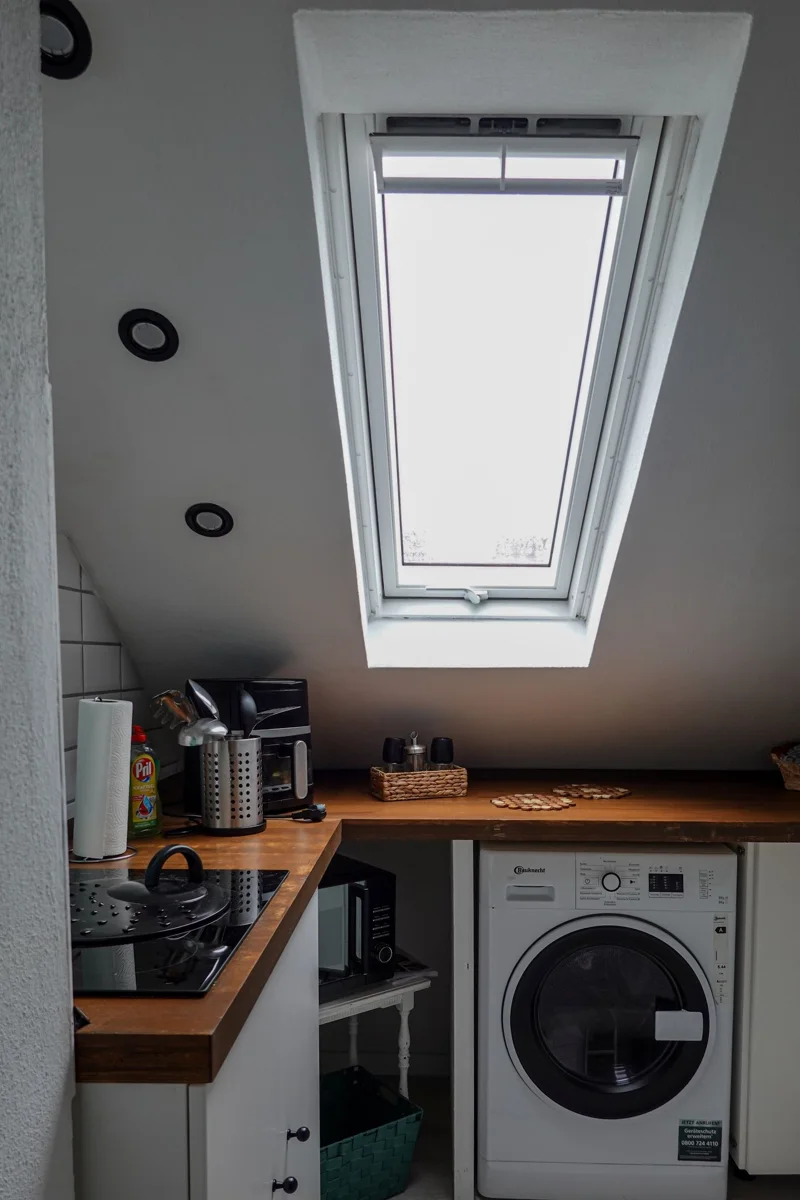
If the previous owner commissioned the work, describe what you acquired. A current photograph shows arrangement without proving installation date or earlier agreements. Use available documents without filling in missing history.
Do not construct an assumed standard specification for the entire complex yourself. Ask what description or valuation basis the collective policy actually uses. A neighbor's kitchen does not establish cover for your apartment.
Read the two arrangements together
Ask the association's manager or board for relevant building wording and individual-improvement provisions. Examine your own definition and any amount or endorsement too. Knowing both contracts exist does not explain their interaction.
Identify the particular unresolved object: a kitchen component, floor or other alteration. Ask which agreement addresses it and what boundary applies. A broad explanation about luxury finishes may be insufficient where the wording makes a finer distinction.
Who ultimately bears a loss differs from which component is attached. Keep responsibility, insurance and actual damage separate. A product brochure alone should not become a legal conclusion.
Keep later changes identifiable
For new work, preserve descriptions and examine reporting or adjustment arrangements. An old answer about a previous kitchen cannot automatically settle a substantially changed layout.
A record of earlier specification, current improvement and applicable provision remains useful without predicting payment. It shows why a movable coffee machine, fitted cupboards and collective buildings cover are different parts of one housing question. Where a reply concerns only a selected component, keep that limitation visible instead of extending it to every upgrade in the apartment.