Describe the discovery
A damaged cupboard, painted sofa, and broken door need not become one combined amount. Describe what you found, when, and in which room. Take safe wider views and details. Do not identify a suspected offender as an established fact without confirmed information.
For a suspected criminal offence, contact the police and follow instructions concerning traces. Do not re-enter danger to complete the list. An initial notification can be incomplete; explain which areas have not yet been inspected.
Location and occupancy matter
A contract may contain special conditions for an unoccupied home or a property undergoing renovation alongside its vandalism provision. Interpolis's INB-RV-50-221 wording illustrates that particular living situations are treated separately. Check both the event and the property's circumstances.
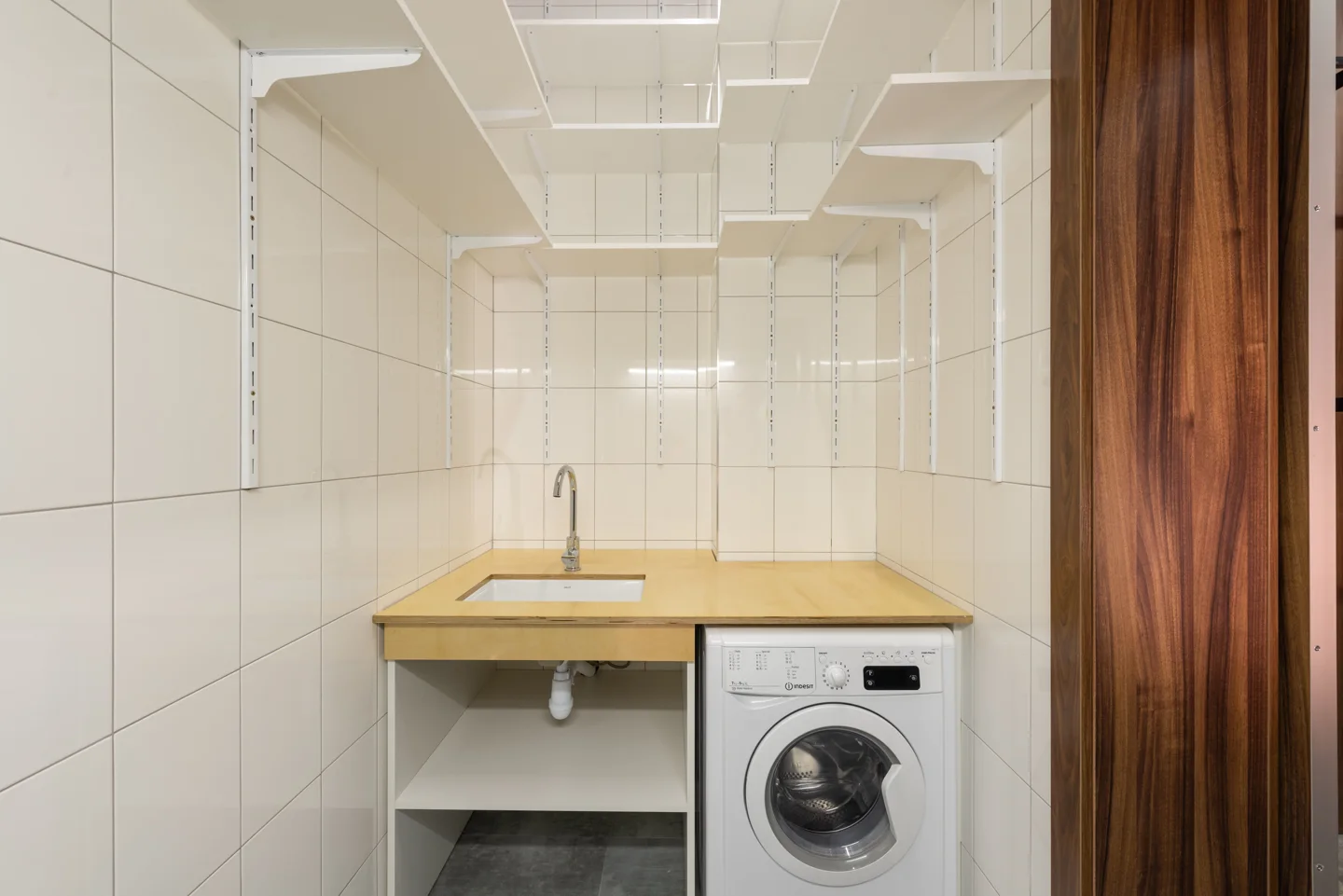
Record whether the home was occupied, temporarily empty, or being renovated, and which areas were accessible. Include relevant arrangements with a contractor or landlord without drawing your own coverage conclusion. An open entrance and a forced entrance are different facts. Describe the actual condition.
Where access records or messages exist, preserve relevant originals privately. Do not publish footage of identifiable people merely to strengthen an insurance notification. The handler can explain how supporting material should be supplied securely.
Separate belongings from building work
List loose damaged objects separately from doors, walls, and other building parts. Identify each owner. In a rental home, fixed damage may require the landlord's involvement while your damaged furniture remains a distinct loss item.
Ask repairers to split their quotations accordingly. Paint on a sofa needs an assessment of material and cleanability; a door may require timber or lock repairs. One total for vandalism at the house makes the work difficult to follow.
Keep the police reference and connect the inventory to the same event account. Add later discoveries visibly, with discovery dates. An addition differs from silently replacing the original list. When the insurer responds, ask which wording was applied to each item and what remains unresolved. That keeps a disagreement about one building repair from concealing an unanswered question about a damaged possession.