What was actually outside?
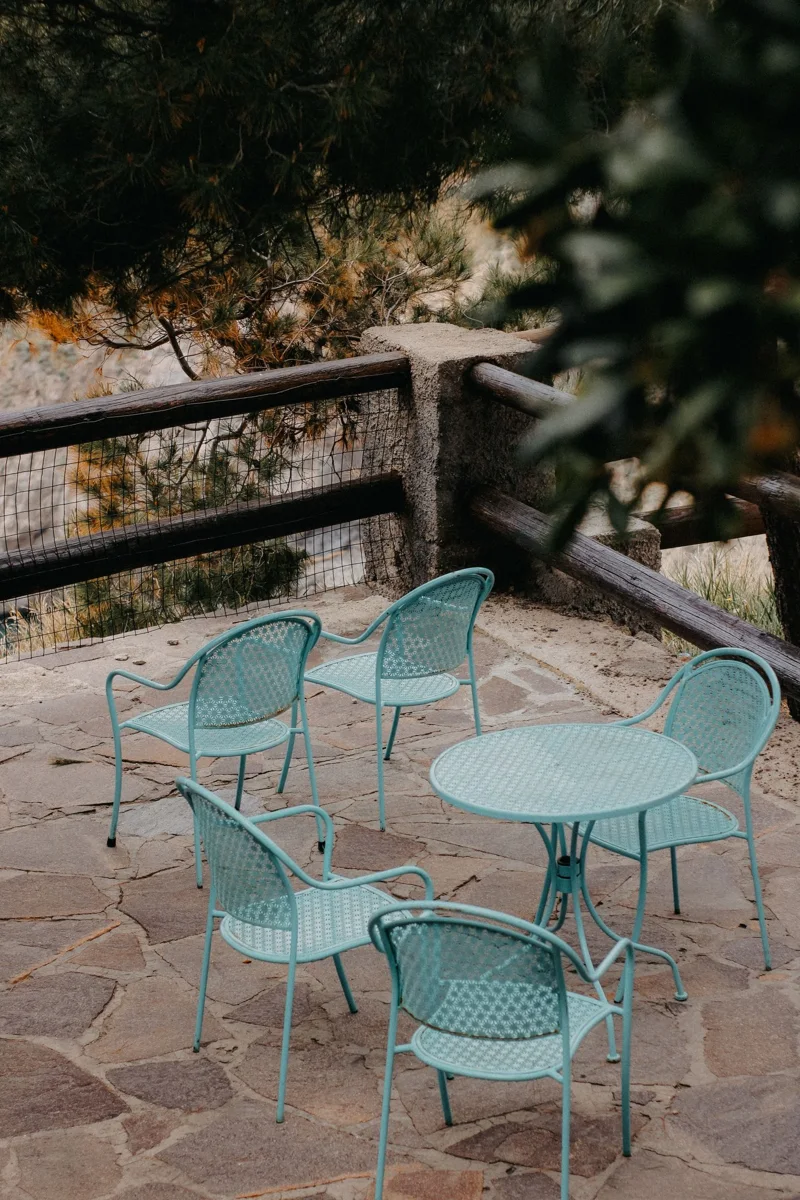
A loose cushion, a fixed canopy, and a table are different loss items. Describe each object, its location, and the visible change. Do not place a boundary fence or built-in structure on a loose-furniture list without identifying that distinction.
Kifid's explanation of garden damage highlights the importance of the damaged object and policy conditions. Interpolis includes garden furniture in its own storm-damage explanation. These examples help locate relevant wording; they do not establish that every outdoor object is covered under every policy.
Describe the event at your address
Record when the damage was discovered and what you personally observed about the weather or movement of furniture. An overturned chair does not by itself establish the wind speed at your address. If you know only the aftermath, make that clear. Where weather information is requested, retain its location, date, and source rather than presenting a distant observation as a measurement from your garden.
Take wider photographs of the arrangement and closer images of fractures or distortion. A broken table leg alone says little about where the table stood. Move dangerous loose parts when necessary, recording their earlier position where possible. Do not climb damaged structures for a better photograph.
Separate your own furniture from objects belonging to a neighbour or landlord. If a neighbouring object appears to have struck yours, record the contact and what remains uncertain. Ownership of the moving object does not by itself settle responsibility or the terms of your contents claim.
Make the estimate specific
For a detachable leg or tabletop, ask whether repair is possible. A quotation can separate parts, labour, and transport. Identify earlier weathering or damage separately from the change attributed to this event. A restorer can then assess the actual problem rather than a general request for new furniture.
Read the garden-property wording, object restrictions, and any event-specific deductible. Indoor cover does not automatically follow furniture outside on identical terms. If cover is rejected, ask whether the decisive issue is location, the type of item, or the cause.
If one table from a set is damaged, explain what the set contains and which pieces remain usable. Do not buy an entire replacement suite on the assumption that all of it will be reimbursed. Keep the original purchase details and ask how repair, replacement, and any relationship between matching pieces will be assessed. This gives a settlement discussion an identifiable object and amount.