Be precise about loss and theft
You notice the key is absent from your bag. That establishes it is missing, not automatically that somebody stole it. Record where and when you last definitely had it and when the absence was discovered. If a bag or documents are also missing, describe those as separate facts.
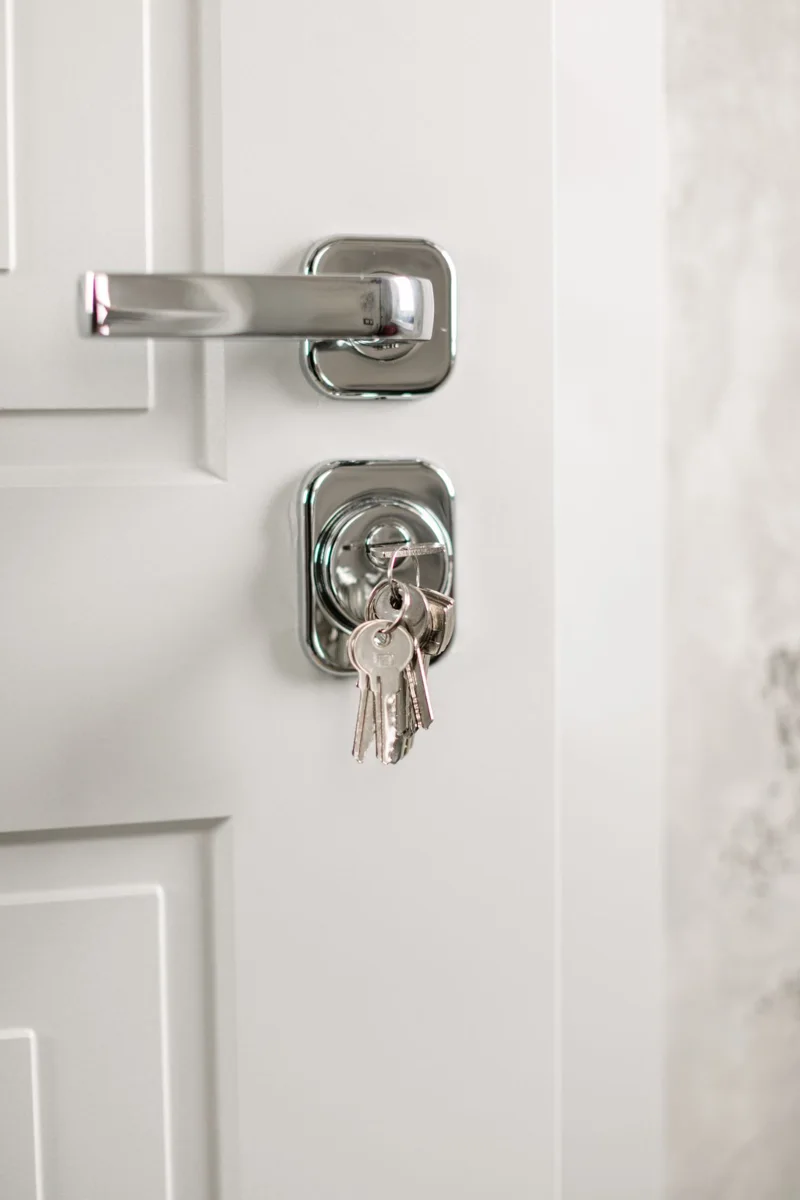
On its key page, Univé links its described lock-replacement reimbursement to insured theft. Other wording may draw the boundary differently. Check which event, dwelling, and costs your clause concerns. Do not turn loss into theft to match a hoped-for provision.
Identify the required work
Discuss an immediate security issue with an appropriate locksmith and, where relevant, the landlord or building manager. Where circumstances permit, ask for the business's identity and an itemised price beforehand. Opening a door that has shut is different from changing a cylinder after a key disappears.
Keep the instruction and invoice describing the work performed. Cylinders, keys, and labour should be identifiable. Any surcharges should be distinct from parts. An invoice saying only service explains little about what was necessary and what happened.
Ask the insurer which arrangements it expects and which items can be assessed. A necessary security decision does not establish payment for every chosen improvement. Record whether the work replaced an equivalent lock or also installed a system you preferred as an upgrade.
Ownership and shared access
In rented accommodation or an apartment block, a lock may belong to a landlord's or owners' association's system. Ask who may order replacement and what shared entrances are affected. Do not independently commission work across an entire building because your individual key is missing.
Keep a police report for suspected theft or an appropriate loss notification to the relevant authority. Avoid public photographs combining the key profile with your complete address. An insurance file needs a description, not publicly accessible access information.
If the key reappears, record when and how it was found and tell the handler about relevant changes. A completed replacement and a recovered key are both facts the assessment needs to follow. Retain the earlier record rather than editing it to imply that the outcome was known from the start.