Begin with one recognisable room
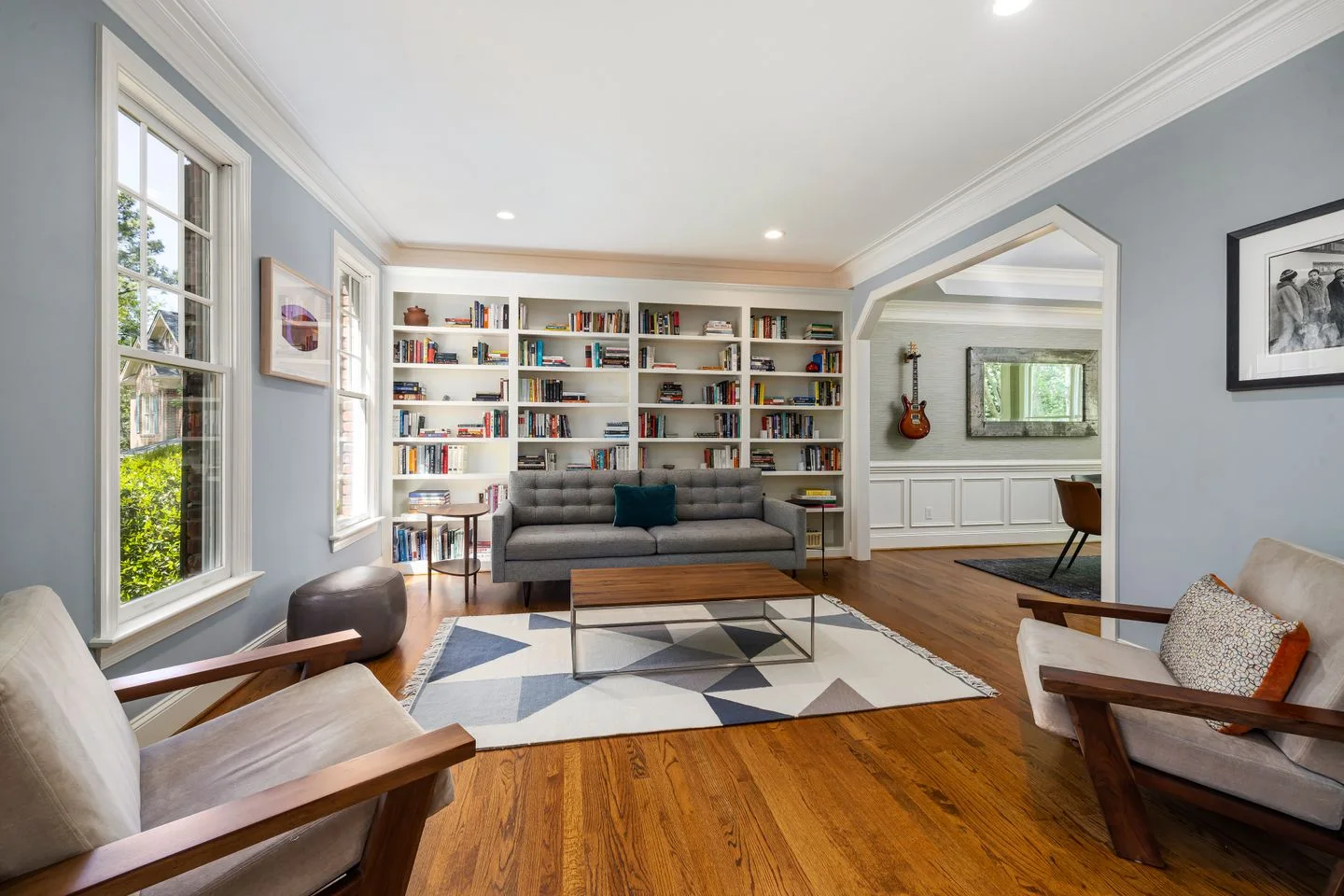
A complete contents record does not have to emerge in one evening. Choose a room you know well and start with its movable belongings. Work from the doorway around the walls, then consider the middle. A consistent direction helps avoid overlooking a cabinet, lamp, or small piece of furniture without requiring an elaborate recording system.
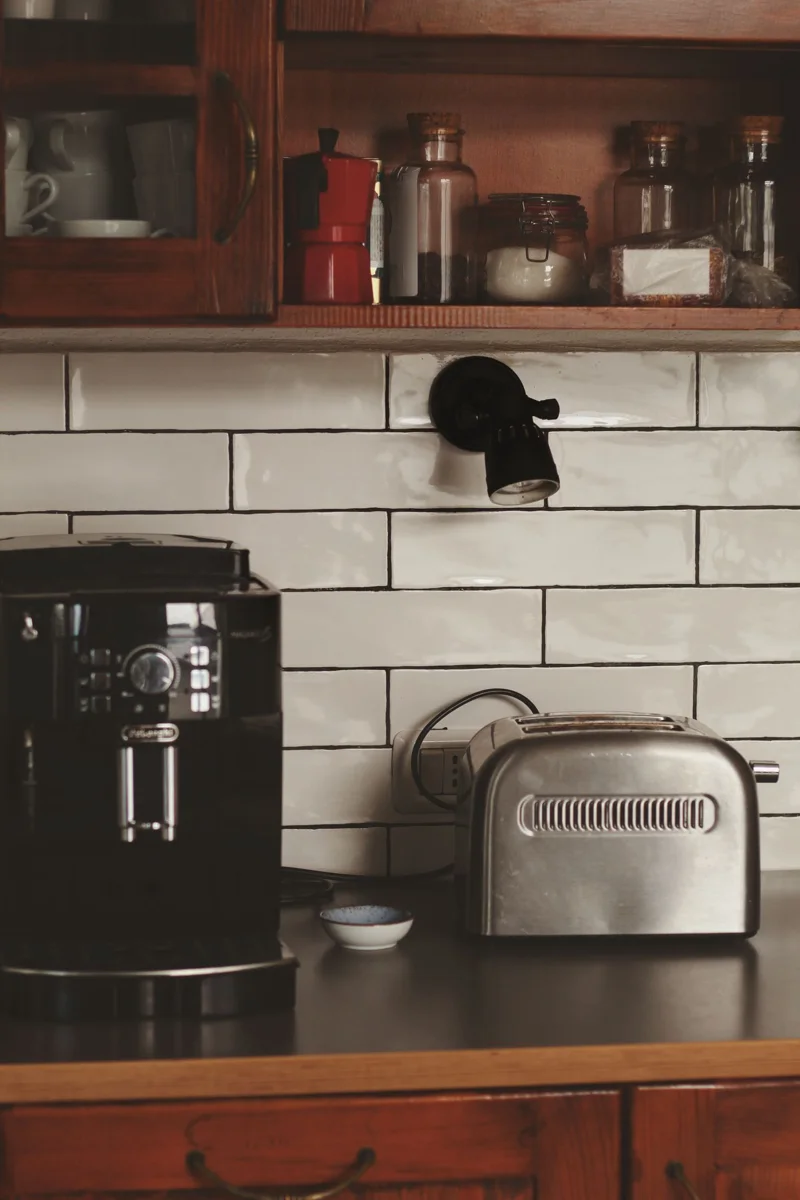
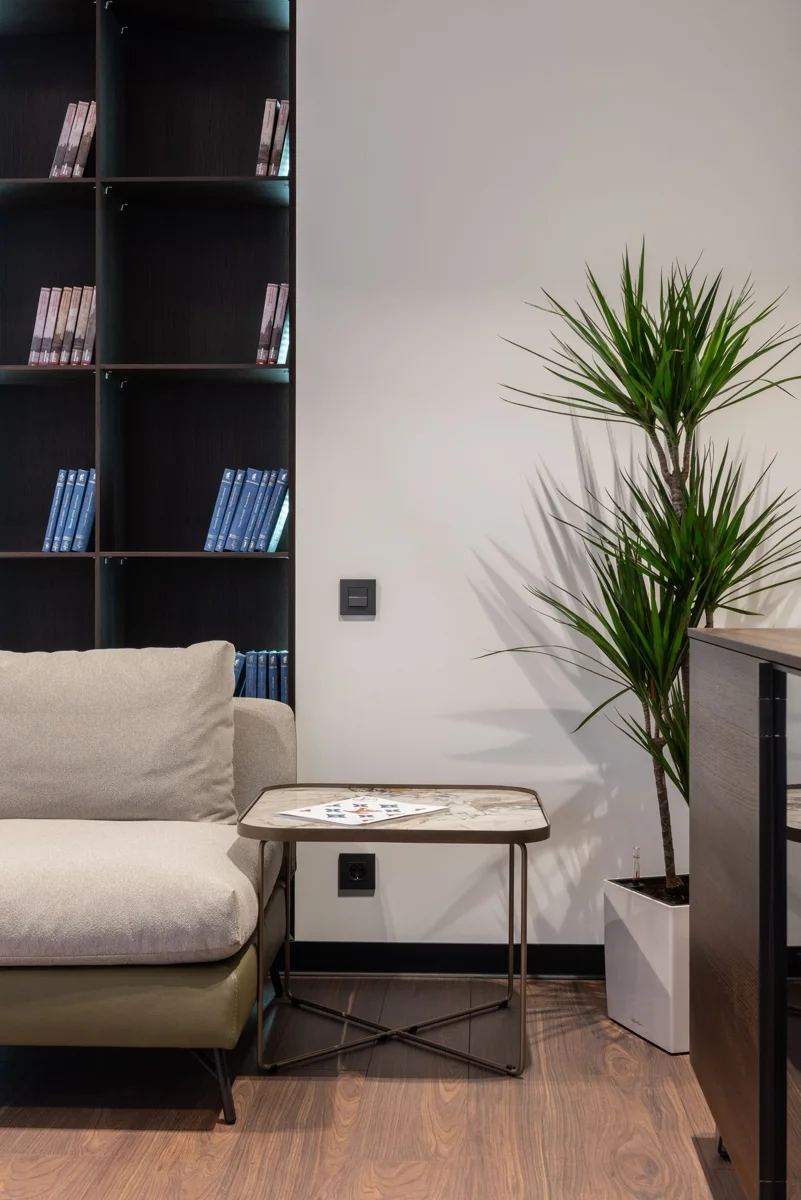
Take an overview photograph showing the arrangement, then add individual images for important or less recognisable objects. Dutch police identify photographs and serial numbers as useful information when describing stolen belongings. The photograph primarily helps identification here. It does not determine whether an event is insured or which payment rules apply.
Give belongings a distinct place in the record
Use a description another person could understand: green metal desk lamp beside the window is clearer than lamp alone. Add a known brand, model, or distinguishing feature. A simple item number can connect the description with photographs and purchase documents, so the filename need not contain every detail.
The room is the location, not the object's identity. Moving the lamp into a bedroom should not make it appear that another lamp has been acquired. Keep its number and change the location. This prevents a room-based record from accumulating duplicates.
Groups can work for many similar small belongings, such as a dinner service or ordinary books. Describe what the group contains and use counts actually checked. Give a distinctive individual object its own entry where a group description would conceal it. Do not invent average quantities simply to finish a room quickly.
Separate known information from questions
A purchase date may be approximate. Say so instead of supplying invented precision. Origin matters too: purchased, received as a gift, acquired second-hand, and borrowed describe different circumstances. An empty field with a clear question is more useful than uncertainty presented as fact.
Attach a purchase document to the relevant object where available. Without a receipt, an honest description of existing information is still possible. Note photographs, correspondence, or other origin records. For a concrete enquiry, ask the insurer which additional documents are required; a personal list does not automatically replace requested evidence.
Avoid putting every amount into an unexplained value column. Purchase price, a later comparison product, and an appraisal are different records. State what the amount represents and its date. The inventory then remains an organised account of information rather than a self-calculated promise of compensation.
Finish one room before expanding
Check that the images open and that numbers match the list. Continue to another room using the same simple conventions. There is no need to redesign the structure every time. A clear system you maintain is more useful than a detailed form abandoned after its first room.
Date the overall review and keep a separate copy. Later replacements can be handled by updating the relevant entry. The first room then provides a workable example for the home rather than merely an unfinished beginning.