Choose a structure that fits the cupboard
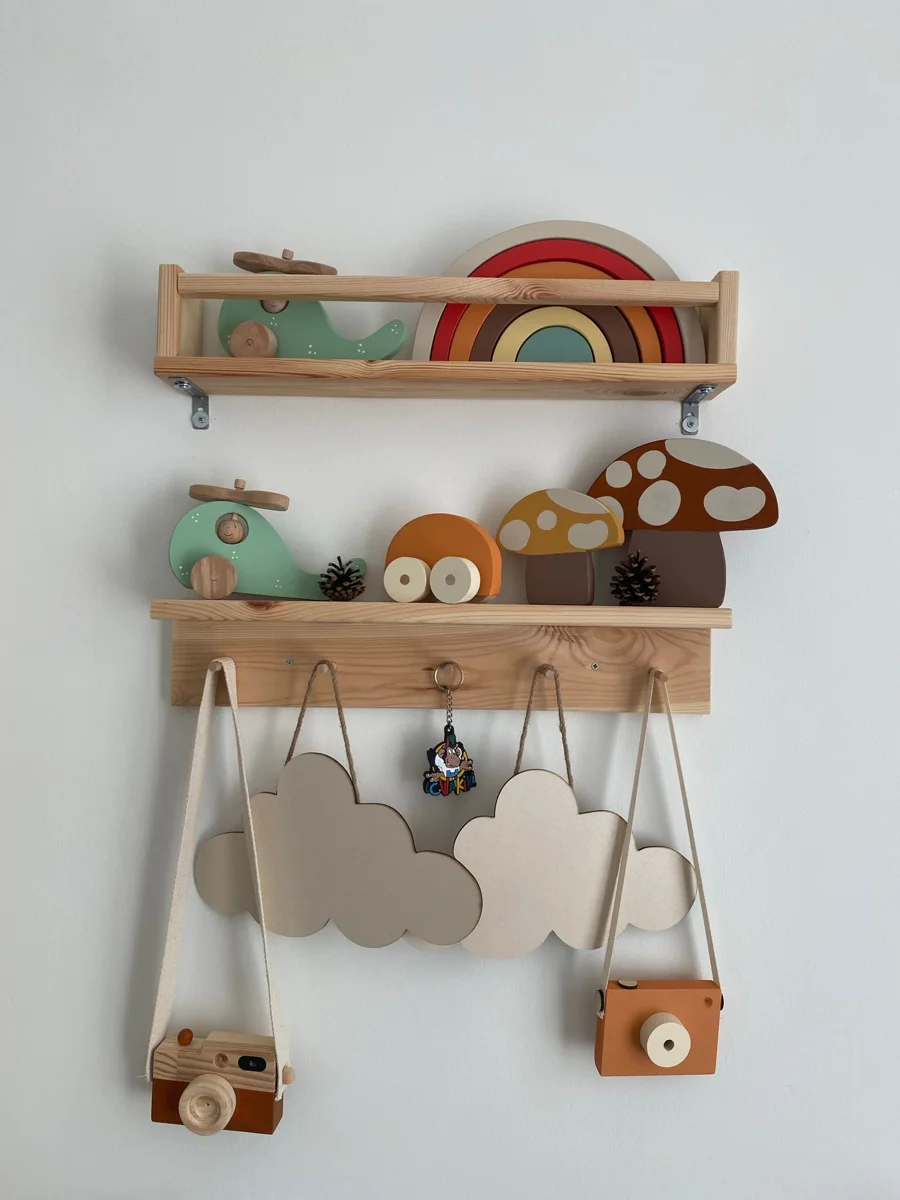
A playroom often combines loose pieces, complete games, and several collections. Organise what can actually be checked, such as board games, construction materials, and larger individual toys. Each group needs an explanatory description. Toys plus a total amount does not reveal what is present.
Start with a photograph of each shelf or compartment, then add features for identifiable individual objects. An image can explain presence and version without showing all contents of a closed box. Dutch police mention photographs as an identification aid; use them with that purpose in mind.
Check versions and contents
A board game's title, publisher, and version may distinguish editions. Copy from the actual box. An expansion is not another copy of the base game. Link them where stored together and explain what was acquired separately.
Record known missing pieces honestly. A first general inventory need not count every small component, but should not claim a full check that never happened. An observation about the review's scope prevents a provisional description appearing more precise later.
Loose building pieces may suit a group entry. Use a counting or measuring approach actually performed and name the unit. Several boxes are not the same as several complete original sets. Mixed pieces should not be turned retrospectively into an invented list of full retail kits.
Connect gifts and earlier purchases
Keep available receipts or order confirmations and describe known gift origins. Missing paperwork does not require an invented date or price. Photographs, messages, and earlier records may provide existing information. Ask what else is needed for a particular insurance enquiry.
Several games may share one invoice. Link it without repeating its full total beside every game. Returns and exchanges belong with the same history so the record describes what ultimately stayed in the household.
Keep current price comparisons separate from purchase amounts. An older edition described online as rare does not automatically have an advertisement's value. The administration identifies the object while conditions and assessment determine which further information matters.
Let the record change with the collection
Update after a substantial clear-out, sale, or gift. Given-away toys no longer belong in the current list even if still visible in older room photographs. Date images and keep historical views separately where useful.
Choose a practical next review, perhaps when reorganising the cupboard. The record then connects with something already happening. It need not document every afternoon of play, but should honestly describe the collection present now.