Look beyond burn marks
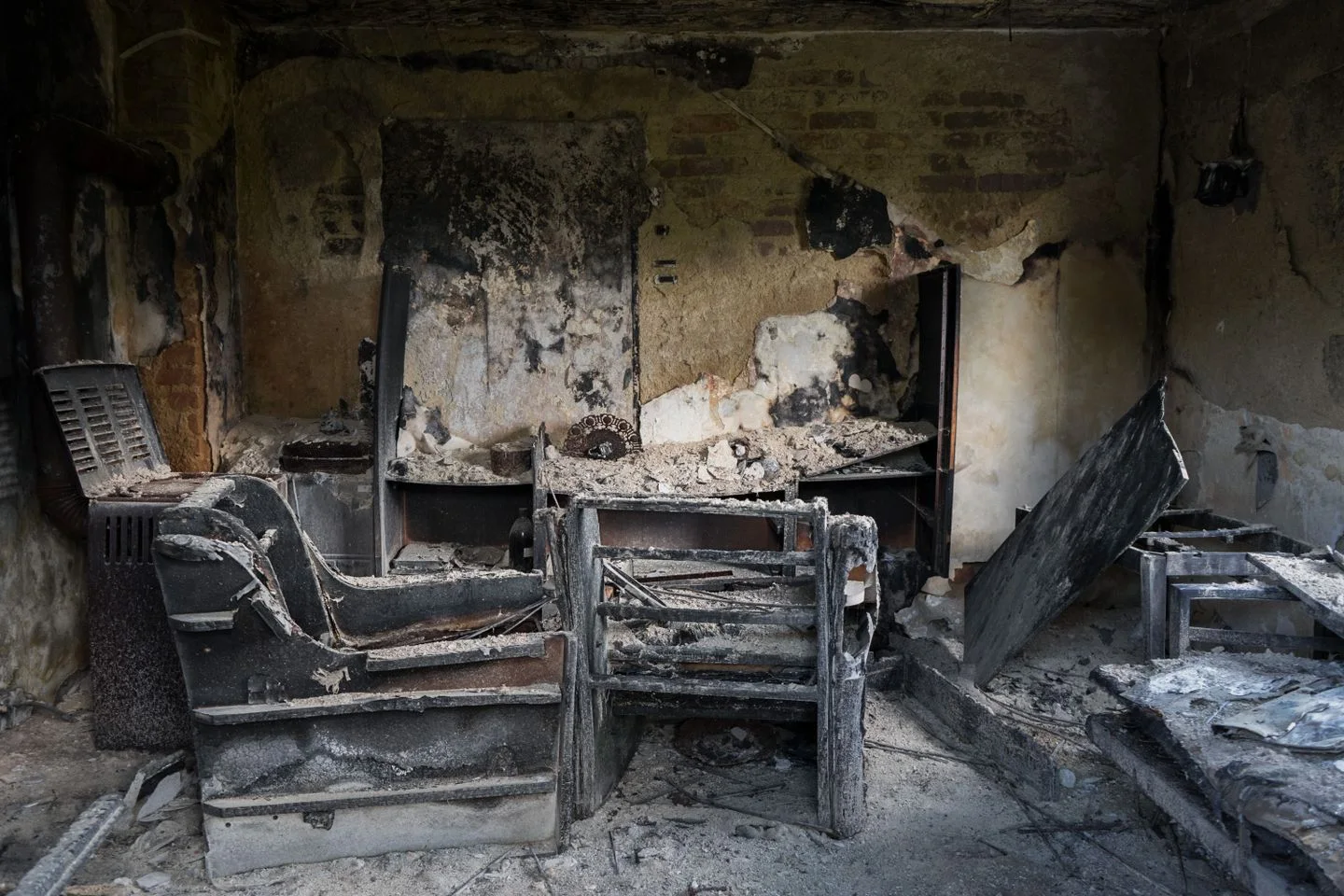
A curtain may smell of smoke without a visible burn. Dark deposits may settle on a cupboard whose wood did not burn. Describe each condition accurately. Odour, visible contamination, and heat damage are different findings rather than one description to copy across every item.
Record the apparent smoke source and what has been confirmed. Fire elsewhere, a sudden emission from an installation, and prolonged contamination may require different policy assessments. State uncertainty about the cause. Soot does not make the precise event irrelevant.
Wording can define the source
Interpolis's INB-RV-50-221 conditions, for example, include a particular smoke-and-soot provision concerning specified installations. That differs from unlimited cover for any smoke smell. Read your own event wording, exclusions, and relationship to fire damage.
Broader cover does not remove the need to explain the source. Ask which clause is considered relevant when there is no visible burning. An answer about a stove does not automatically address smoke from another cause without explanation.
Have cleaning and replacement assessed
Do not apply arbitrary cleaners to affected materials. Suitable treatment can differ between textiles, electronics, and furniture. Ask the insurer or specialist restoration business what assessment is needed. An improvised first treatment may make the original condition harder to identify.
Take safe wider views and details. Photographs cannot capture odour, so describe the rooms and items where you noticed it. Separate your observations from the cleaner's assessment. Do not call an object irreparable when that remains a suspicion.
Request itemised treatment proposals and retain transport or storage arrangements. Note any water or heat damage as well. This lets one incident's consequences be followed without counting the same item repeatedly. Payment depends on applicable cover and assessment, not on how often an object appears in photographs. Keep the first descriptions alongside later specialist findings so a changed understanding of the condition remains visible.
For washable curtains, distinguish a quotation for specialist cleaning from the cost of replacing the entire set. Ask whether the proposed work includes inspection, collection, treatment, and reinstallation. Keep any finding that a treatment failed; an unsuccessful attempt and a proposal to replace are different stages of the record.