Several kinds of belongings on one table
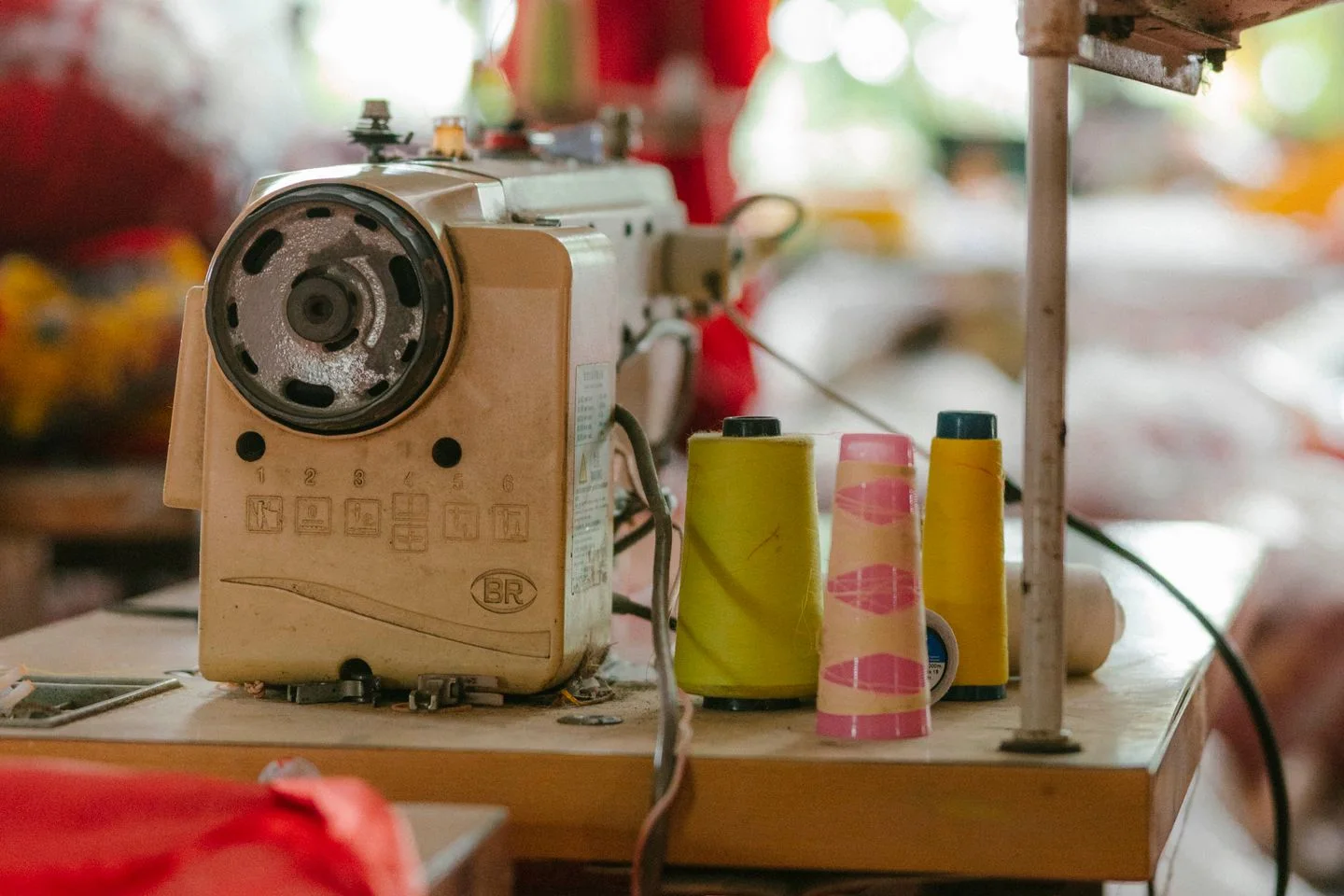
A sewing table may hold a machine, scissors, thread, and unfinished clothing. They share a hobby but are not one purchase. Begin with the kinds of objects actually present. Give major equipment its own description, then organise tools and supplies into appropriate groups.
The approach also works for painting, model-making, and other crafts. A universal form is unnecessary. Choose terms that explain your supplies and state what each group includes. A box labelled materials with an unexplained amount tells less than a checkable description and quantities.
Record the lasting equipment separately
For a machine, brand, model, accessible identification, and photographs help. Connect purchase and maintenance records to the same object. A later extension can have its own linked entry. Do not assign the full price of a complete kit independently to every included part.
Reusable tools can be recorded as a set where its contents are clear. Identify missing or replaced components. An open-case photograph helps, but a set name alone may not describe what remains inside.
Identify borrowed equipment too. A machine temporarily used for a project is not automatically personally owned. Available loan arrangements clarify origin. Applicable insurance still needs checking through the relevant agreements and conditions.
Supplies are not an unchanging collection
Thread, paint, and other materials are consumed and replenished. Choose a review date and describe checked quantities. A year-old cupboard photograph may differ from present contents. Update substantial changes without pretending every small use must be tracked exactly.
Distinguish unused supplies, remnants, and material already incorporated into a project. Otherwise the same material can appear in both stock and finished-work records. The aim is understandable administration rather than maximum entries.
Describe personal creations separately if recording them. State that they are self-made and identify existing information. Do not derive compensation from hours spent or the selling price of comparable professional work. Ask specifically how the applicable policy treats the object.
Connect photographs with the right group
Dutch police mention photographs as an identification aid. Use images showing the relevant equipment or supplies clearly, rather than only an atmospheric craft-room view. Associate files with their group and date.
At the next substantial clear-out, review those groups. Sold equipment leaves the current list and a new stock image replaces the older current description. The administration then follows the hobby without turning every project into paperwork.