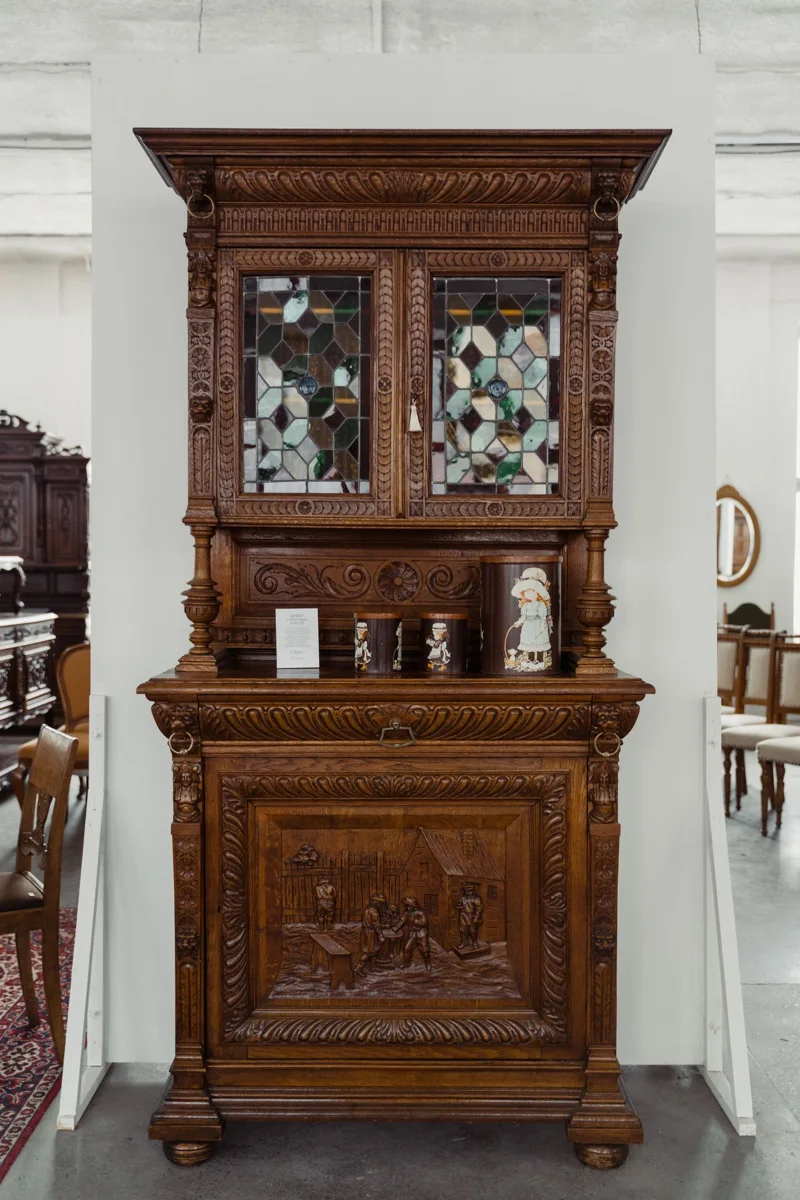
Start with the object, not the missing receipt
A second-hand cabinet or gifted appliance still belongs in the inventory when its receipt is missing. Begin with a recognisable description, photograph, and known origin. State what is established, such as receiving it from a relative or buying it second-hand in a particular year. Mark an approximate date as approximate.
Missing evidence is a question for the file, not a reason to create a replacement receipt or describe a transaction differently. A personal note should remain clearly your note. Naming uncertainty makes the record more reliable than apparently completing every field.
Gather information that already exists
Look for records actually connected with the object. An order message, payment, advertisement, or correspondence may explain part of its origin. Say what each establishes. A payment can show a date and amount without identifying the exact version; an advertisement describes an offered model without independently proving transfer.
Interpolis mentions a bank statement as possible purchase evidence in certain reporting guidance. Treat that as information about its procedure rather than a promise that every statement answers every insurance question. Ask what the applicable insurer needs and which fact the record must support.
For a gift, known giver and occasion may help preserve origin. Seek only information that exists. A relative need not invent an original price to make the inventory useful. An available purchase document can be attached later.
Separate age from acquisition
The year something was received is not automatically its production or original purchase year. Keep those dates apart. An old cabinet may have arrived last year; an appliance may predate its gift by several years. Explain each date's meaning rather than filling an unknown original date with the transfer date.
Second-hand price, historical new price, and current comparison also differ. Keep dates and sources. The insurer's valuation rule does not follow solely from acquisition method or a personal price note.
When the object is sold or returned, change its current status. Origin history may remain archived, while the present list continues describing what is actually retained.
Ask a focused question
Avoid sending a disorganised folder when enquiring. Describe the object, identify the gap, and explain which records exist. The model may be recognisable and transfer known while the original shop receipt is unavailable. Ask what further information is needed for that assessment.
A receipt-free inventory can therefore be precise about known facts and honest about gaps. That differs from knowing in advance what evidence will be sufficient. Keep personal description and requested assessment separate without turning either into a promise about the other.