Divide the garden into recognisable components
A garden table can move, a masonry outdoor kitchen has a different relationship to the site, and planting raises another subject. Do not simply write garden when asking what is insured. Identify the object, owner and installation. A freestanding barbecue does not describe the same thing as a fixed structure containing an integrated appliance.
Univé's garden FAQ distinguishes movable garden belongings from fixed elements and identifies restrictions for certain causes of damage. This illustrates two separate checks: which category describes the object and which event is being discussed? Establishing that a chair is contents does not answer the second question.
Build an inventory that accommodates seasonal use
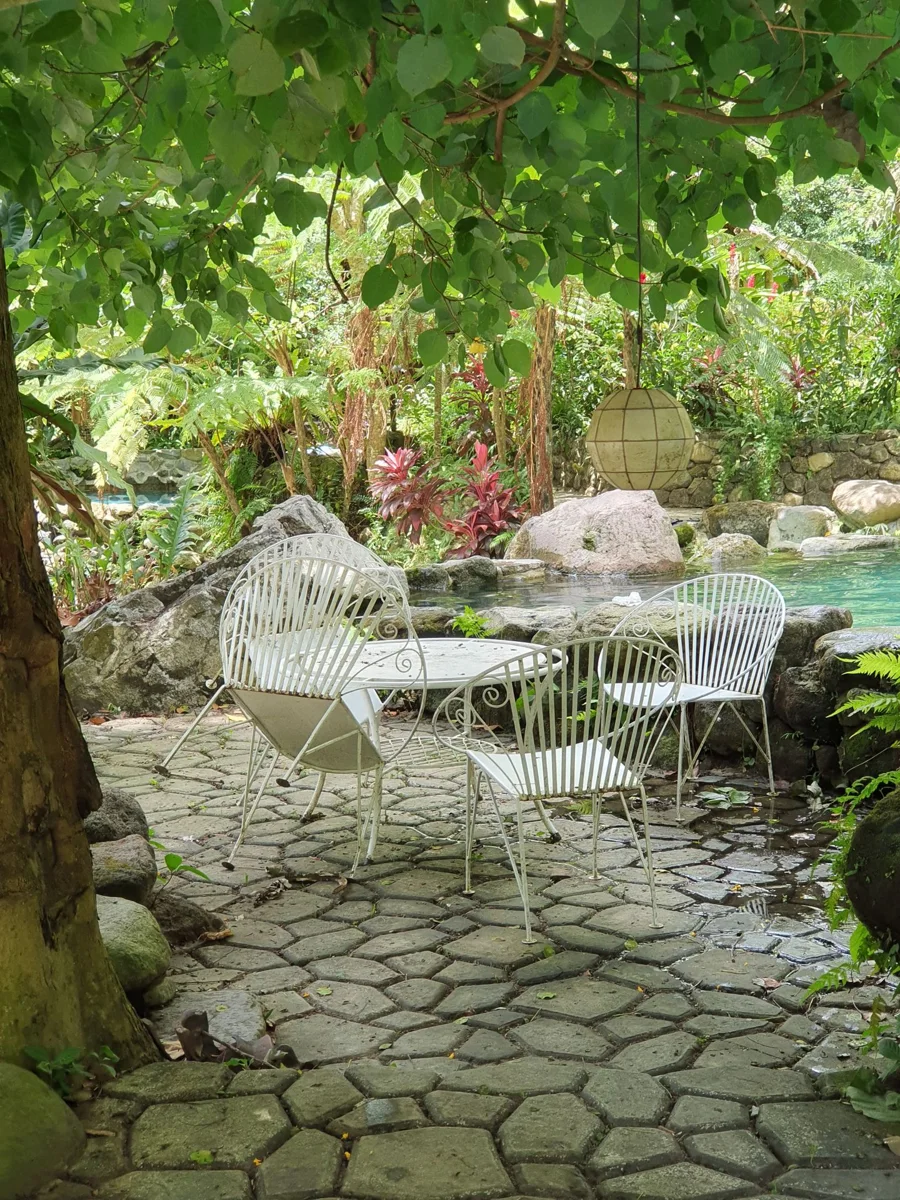
Take identifiable photographs of larger furniture and retain a description of the set. State how many chairs it includes and whether cushions were bought separately. If the table stays outside while cushions move indoors, part of the set changes location. This need not become elaborate daily administration, but should remain explainable after a particular event.
In a shared garden, not everything visible belongs to you. A bench may belong to the landlord and tools to a neighbour. Include the appropriate ownership in your personal record and identify jointly owned property accordingly. A group photograph of the garden rarely explains that division without supporting notes.
Distinguish ageing from an event
A weathered table and a table breaking during an identifiable incident tell different stories. Describe what was newly observed and what was already present. Taking a recent photograph does not turn earlier deterioration into part of a new event.
For repair, request a description of the damaged component, such as the tabletop or frame. A proposal to replace the entire furniture set may include more than the visible damage. Leave application of the policy to assessment rather than presenting a desired new garden arrangement as the extent of the loss. Retain descriptions of existing damage alongside the new observations.