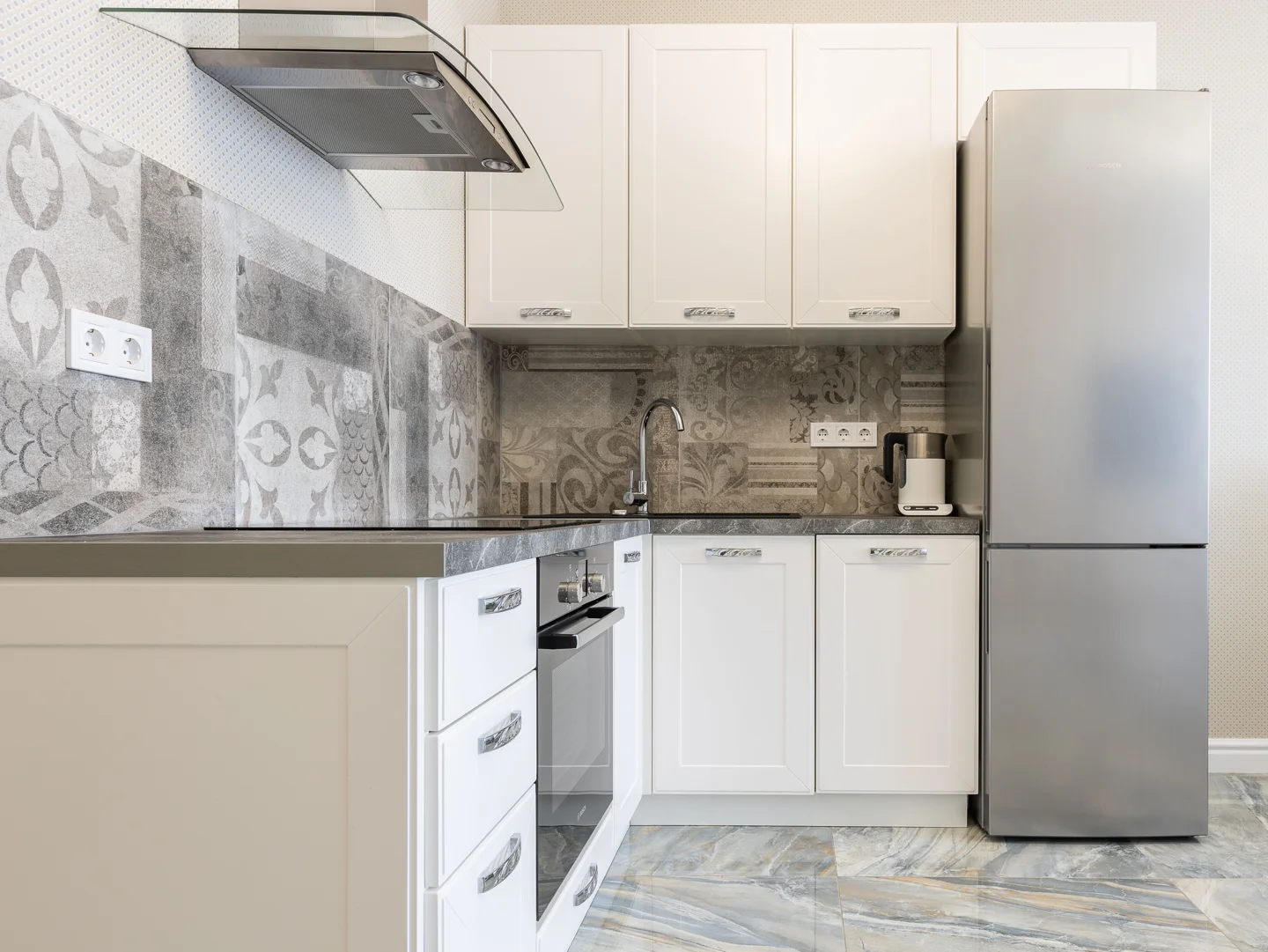
You suddenly notice a mark on a wall or a change to furniture. Discovery may occur on one particular morning while the cause or deterioration has existed longer. Conversely, a distinct incident may become visible only later. Keep discovery, suspected cause and development as separate information.
Build a timeline with honest gaps
Record when you first noticed the change and when the area was last seen without that observation. Identify what was actually inspected. A cupboard standing in the room yesterday does not establish that you checked its back yesterday.
Earlier photographs can help but have limitations. A distant view may establish a large discoloration without revealing a small hidden area. Describe visible information rather than altering an image to support a preferred date.
Mark estimates as estimates. An uncertain date does not become reliable because entered as exact. Ask how unknown timing should be recorded.
Place contract terms beside the facts
The NN Basis wording consulted distinguishes particular sudden events from excluded causes including fungal growth and improperly performed work. Exact wording matters. A homemade summary such as everything suddenly noticed is sudden cannot replace it.
Find the event under consideration and any provision concerning the underlying cause. Visible damage may result from something separate from the affected item. A wet cupboard and the technical problem releasing water are different parts of the account.
A small mark is not automatically gradual, and a large one does not automatically result from one incident. Size alone cannot establish timing. Describe it without treating it as your technical conclusion.
Investigation differs from doing repairs yourself
When cause is unclear, ask how it should be assessed and what information is needed. Do not open appliances, pipes or building components to manufacture insurance evidence. Technical assessment may require a suitable professional; your role is to report available observations truthfully.
Keep relevant previous maintenance or repair records. They explain earlier work without independently proving every cause. Record a genuine recent environmental change too, while avoiding treating coincidence as established causation.
Take overview and detail photographs where safe. The purpose is recording condition, rather than approaching danger for a better picture. Discuss a missing photograph as missing information instead of recreating a scene.
Do not derive cause from appearance alone
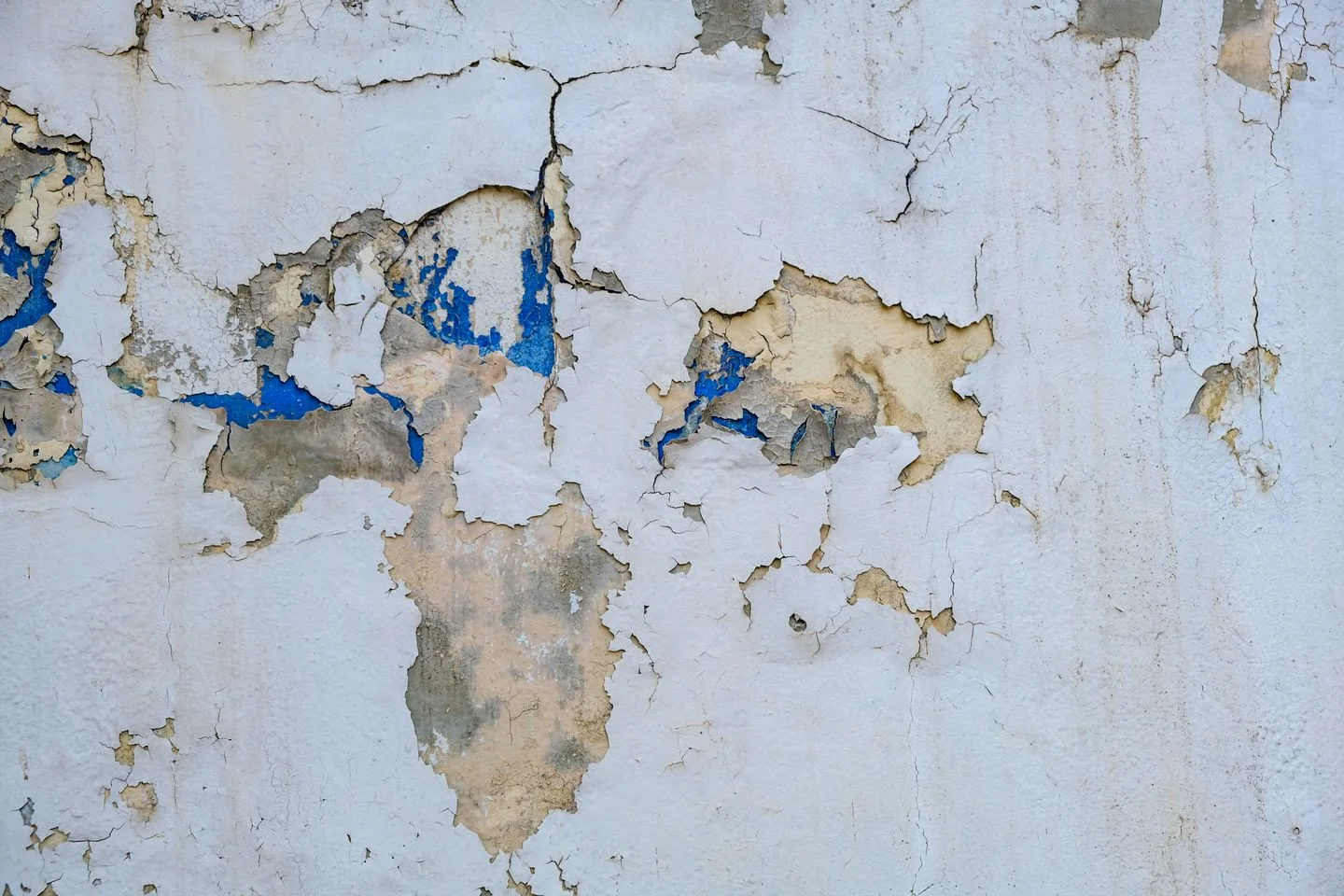
Peeling-paint imagery illustrates an observation. Without more information it does not distinguish moisture, age, earlier treatment or another cause. The same applies to photographs in an actual file: they are one information source.
Ask which cause an assessment assumes and what supports it. This separates factual uncertainty from disagreement about policy meaning. Those discussions need different information.
Keep the result traceable
Retain the assessed cause, relevant provision and timeline separately. New information can then be connected to the part it changes.
This prevents a sudden discovery quietly becoming a definite statement about sudden development. A precise description is valuable because it makes both knowledge and uncertainty visible. Where an explanation remains provisional, preserve that status in your notes rather than repeating it later as a completed technical finding.