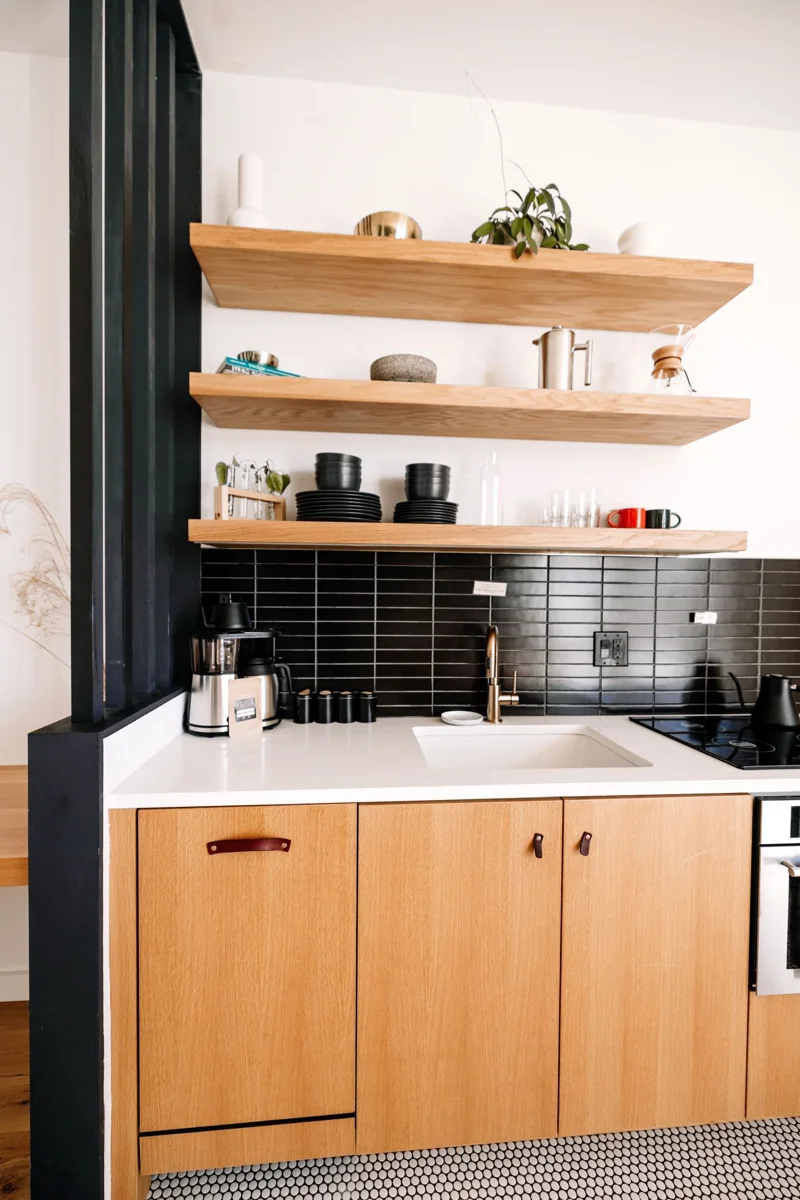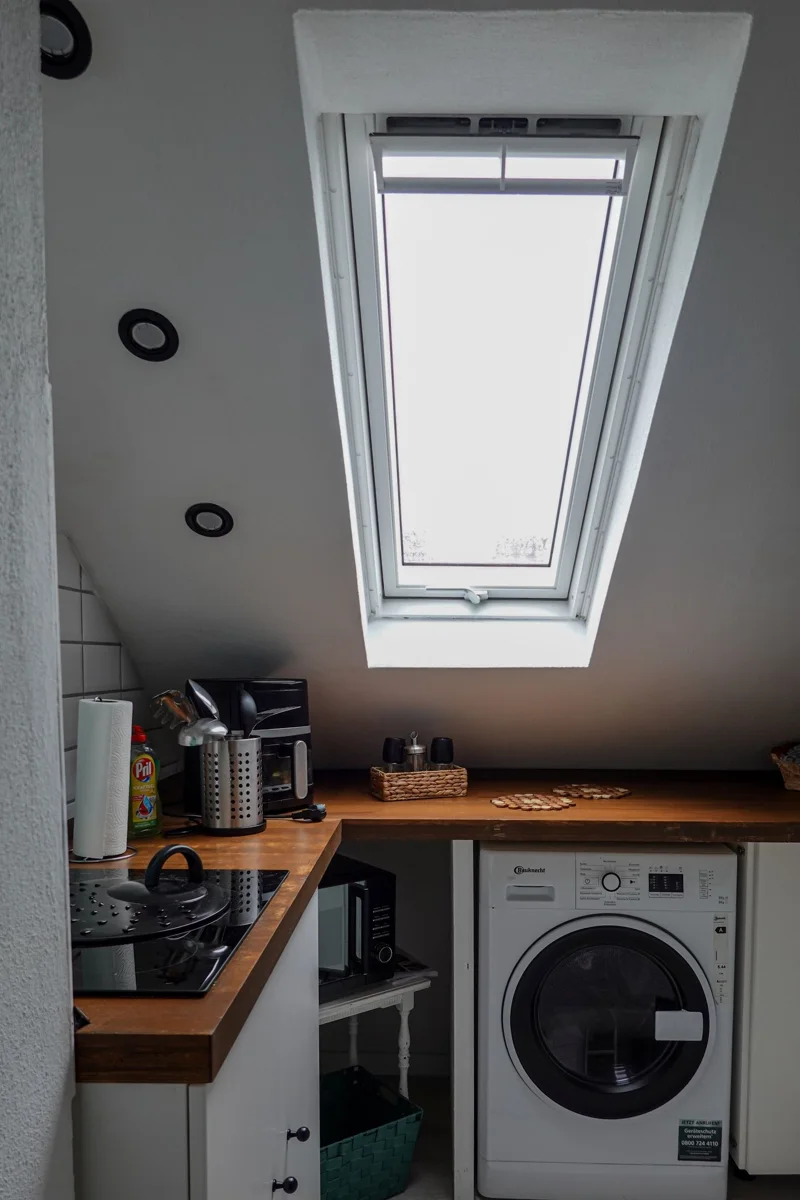
One address can describe several arrangements
A shared home might contain partners furnishing a household together, friends renting individual rooms, or an owner taking in a lodger. Those arrangements look similar on an address list. For contents insurance, the household definition and the way rooms are used can matter more than the fact that everyone receives post through the same door. Establish who lives there and how the arrangement works before simply adding up the furniture.
Nationale-Nederlanden's UNWV03 conditions distinguish between different household compositions. This illustrates how a contract defines insured people; it is not a definition applying to every shared property. If the arrangement does not clearly fit, ask whether the named residents belong to the insured household. Recognising the policyholder's name is insufficient by itself.
Keep the ownership record intelligible
Separate personal possessions, shared purchases and the landlord's property. For personal possessions, a name beside a description may be enough: Noor's desk, Amir's guitar, the landlord's saucepan. An inventory need not catalogue every sock. Start with items that would be difficult to attribute after a loss, especially similar computers, speakers or kitchen appliances.
For a shared purchase, retain the receipt alongside any agreement about contributions. If one person's bank account paid the shop, a note of the others' contributions can make the record easier to understand. It does not independently settle legal ownership, but it helps prevent one communal sofa appearing as a whole personally owned sofa in three separate inventories. Record gifts and later transfers as they occur rather than relying on everyone's memory.
Location remains a separate question
A laptop belonging to one resident may spend most evenings on the communal dining table. Record its usual location as well as its owner. Ask separately about a private bedroom, shared living room, hallway and storage room. Theft conditions relating to entry or locking can differ from the conditions applying to damage caused by a fire.
When requesting an explanation, describe the arrangement concretely: three separate tenants, each with a lockable bedroom, sharing one kitchen. This provides more useful information than the single word housemates. Keep any written explanation about that layout with the policy documents so it can be understood later without rebuilding the whole account from scratch.
A departing resident changes the picture
Update the record when somebody leaves or takes a previously shared purchase. Also establish who manages the policy and receives correspondence. A resident may move out while their name remains on a shared account. The useful result is a coherent picture of people, ownership and locations, rather than an old list of names with a total value attached. A brief review at a change of resident is often easier than resolving several years of undocumented changes together.