Locate the shed before listing the tools
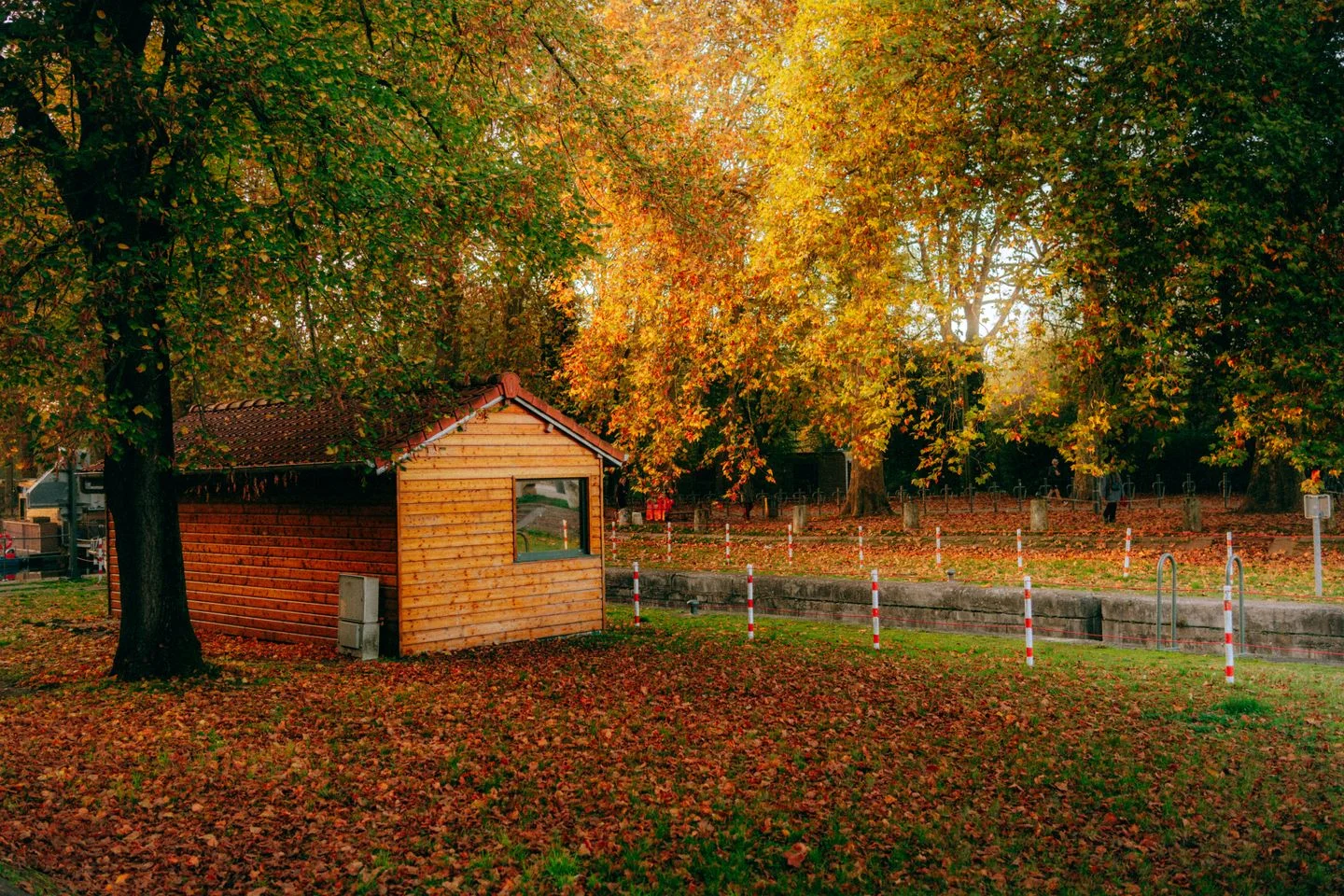
A shed behind the home, a rented space at a relative's property and a separate workshop may all be called the shed in ordinary conversation. Describe the place first: where is it, does it belong with the home, and who uses it? The inventory gains useful context only after those points are clear.
ANWB explains that belongings in a garden house or shed can fall within its contents product, subject to a separate maximum payment. This product information makes location and limits relevant. Do not assume a similarly named building at another address receives identical treatment to an outbuilding behind the dwelling.
Record what is actually inside
A shed often combines tools, garden furniture, camping equipment and boxes from a move. Group small everyday items where the description remains clear, but identify costly or distinctive equipment separately. A photograph of closed boxes communicates little about their contents; a short category label makes the record more useful.
Keep other people's ownership visible. Tools borrowed from a neighbour do not become yours merely because they are in your shed. Ask which policy provision applies to them. Likewise, do not place business stock under a general household tools entry without explaining its actual use. An inventory category should clarify possessions rather than conceal a different purpose.
The door and what lies behind it
An incident may affect the shed building, its locking arrangements and its contents. Record damage to each component separately. A broken lock and a missing lawnmower may involve different insurance sections. Describe the visible situation without trying to construct evidence of a particular cause.
Retain photographs and purchase information somewhere other than the shed, so the entire record is not vulnerable in the same location. Review the description when use changes, such as garden storage becoming a workshop. Current use belongs in the location description; an old label on a plan does not always explain what happens there now.