Who owns the damaged object?
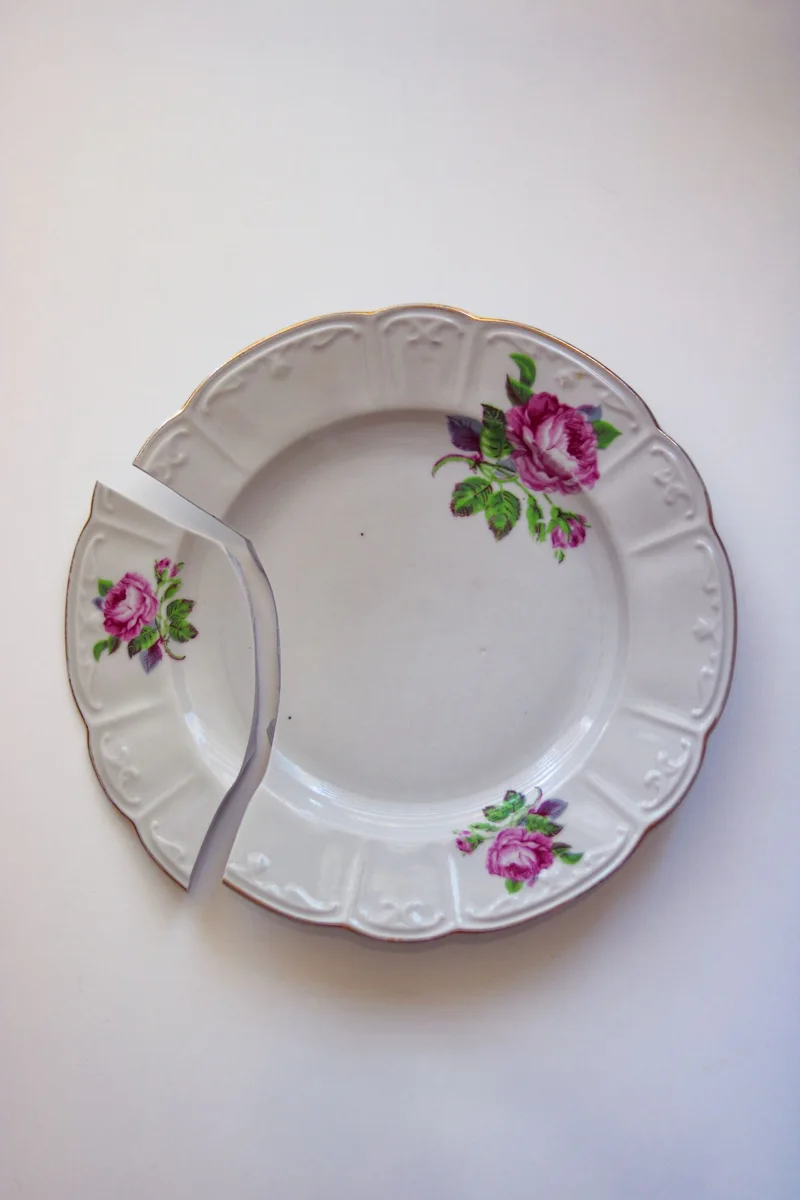
A broken plate from your cupboard differs from a visitor's glasses. Start by identifying the object and its owner. Ownership is not simply whoever held it at the time. A borrowed object remains a distinct situation even if it has been in the home for months.
Do not shape the description around the insurance you hope to use. If you saw a child push a bowl off the table, record that. If only fragments were discovered, describe the discovery. Age and presence may be relevant, but they do not prove who caused damage without further observation.
Contents and liability ask different questions
Interpolis's damage assistance distinguishes losses to your own belongings from damage involving possible responsibility towards another person. Use that distinction for your first enquiry. For a household-owned object, look at the event and any accidental-damage wording in the contents policy. For somebody else's object, ask how a liability notification will be assessed.
Do not immediately promise the owner that an insurer will pay everything. Notification does not establish cover or legal responsibility. Provide a factual account and available photographs, then ask what information is needed. Keep messages describing the incident close to the time it happened.
Give a small loss a precise description
Record material, dimensions, or model where useful for identification. With tableware, one broken plate from an available range differs from a handmade object. You can explain sentimental significance, but it is not automatically the amount used in an insurance calculation.
For repairable items, request a proposal concerning the damaged component. For a set, identify the pieces still intact; do not list the entire set as missing. Keep purchase evidence, earlier pictures, or other existing ownership records. An absent receipt does not justify creating a replacement document yourself.
Clear sharp fragments safely. If retention would be inappropriate, photograph them first where possible and ask how assessment can continue. Record what was discarded and why. Never place a child beside fragments to recreate a scene for a photograph. A calm description, an identifiable object, and a safe record of its condition provide more useful evidence than a staged reconstruction.