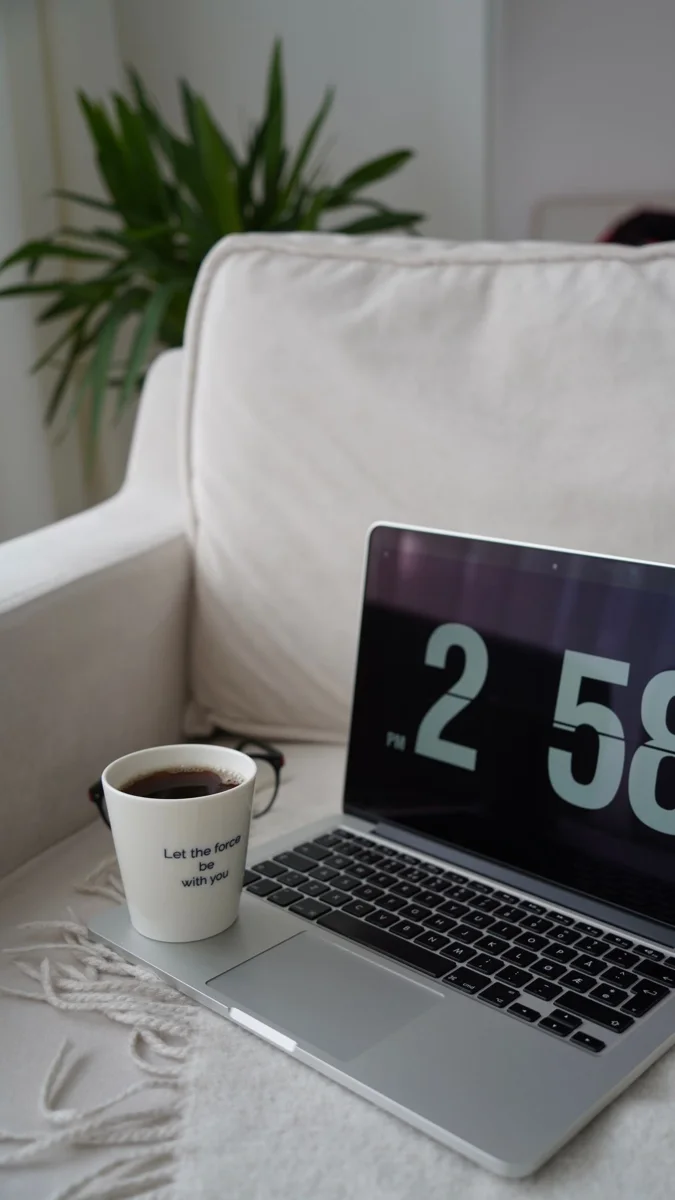
Coffee reaches a laptop. Before naming insurance as a solution, establish whose laptop it is and what happened. Damage to your own belongings differs from responsibility for damage to another person's property. An accident at home does not resolve that distinction.
Start with your own property
For your laptop, examine relevant ownership, object and event provisions. Accidentally knocking something over does not establish that every contents variant covers the event. Extensions and exclusions need separate attention.
Liability insurance is not simply another contents policy. Univé describes its private liability product around responsibility for damage to others and their belongings, listing your own property among exclusions. Use this explanation to identify the question type rather than as complete wording for every contract.
Do not create a technical diagnosis merely to complete the story. Record the observed event and ask how assessment proceeds without opening the device yourself.
Property belonging to another person
If the laptop belongs to a visitor, employer or hire company, say so precisely. These relationships differ. A contract may have special provisions for borrowed or hired equipment, so somebody else's is not yet a complete coverage answer.
Identify actions and known circumstances. An owner's payment request does not independently establish legal responsibility or insurance payment. Put the factual question to the relevant insurer.
Avoid promising an owner a particular settlement before confirmation. Exchange information and explain what has actually been submitted, keeping assumptions separate from received answers.
One event can raise several questions
The incident may affect a table or fixed floor too. Objects need not share owners or insurance classifications. Do not change the account for each item to seek a favorable arrangement. Keep circumstances consistent while separating object details.
Ask which agreement addresses each question: your own loss, responsibility or a special provision for others' belongings. Several terms do not prove double insurance for the same damage.
A clear account identifies uncertainty about ownership, cause, responsibility or cover. This keeps a coffee example specific without turning a product name into a universal promise. If an answer addresses only one of those issues, keep the remaining questions open rather than treating the reply as a decision about the whole incident.