Follow the possessions as well as the family link
A child may study elsewhere during the week and return home at weekends. Clothes, books and equipment can then be divided between two addresses. Establish which belongings stay elsewhere, which remain with the parents and which travel regularly. Whether somebody belongs to the family does not by itself establish where their contents are insured.
Interpolis's information for students living away distinguishes possessions at the new address from other types of insurance where family cover may continue. That separate treatment illustrates why an answer about liability insurance cannot simply be transferred to contents cover. Check the two questions individually against the actual policy.
Given, borrowed or left behind?
Parents may originally have bought a desk and later given it to their child. An additional monitor might instead remain on loan. Record the distinction for significant belongings. A receipt bearing a parent's name can help identify the device, but does not independently explain whether it was subsequently given away.
Apply the same care to property left in the former bedroom. A room now described as a guest room may still contain the child's clothes or musical instrument. Describe what is actually there. The aim is not to create a legal family register but an intelligible record supporting precise questions about people, property and addresses.
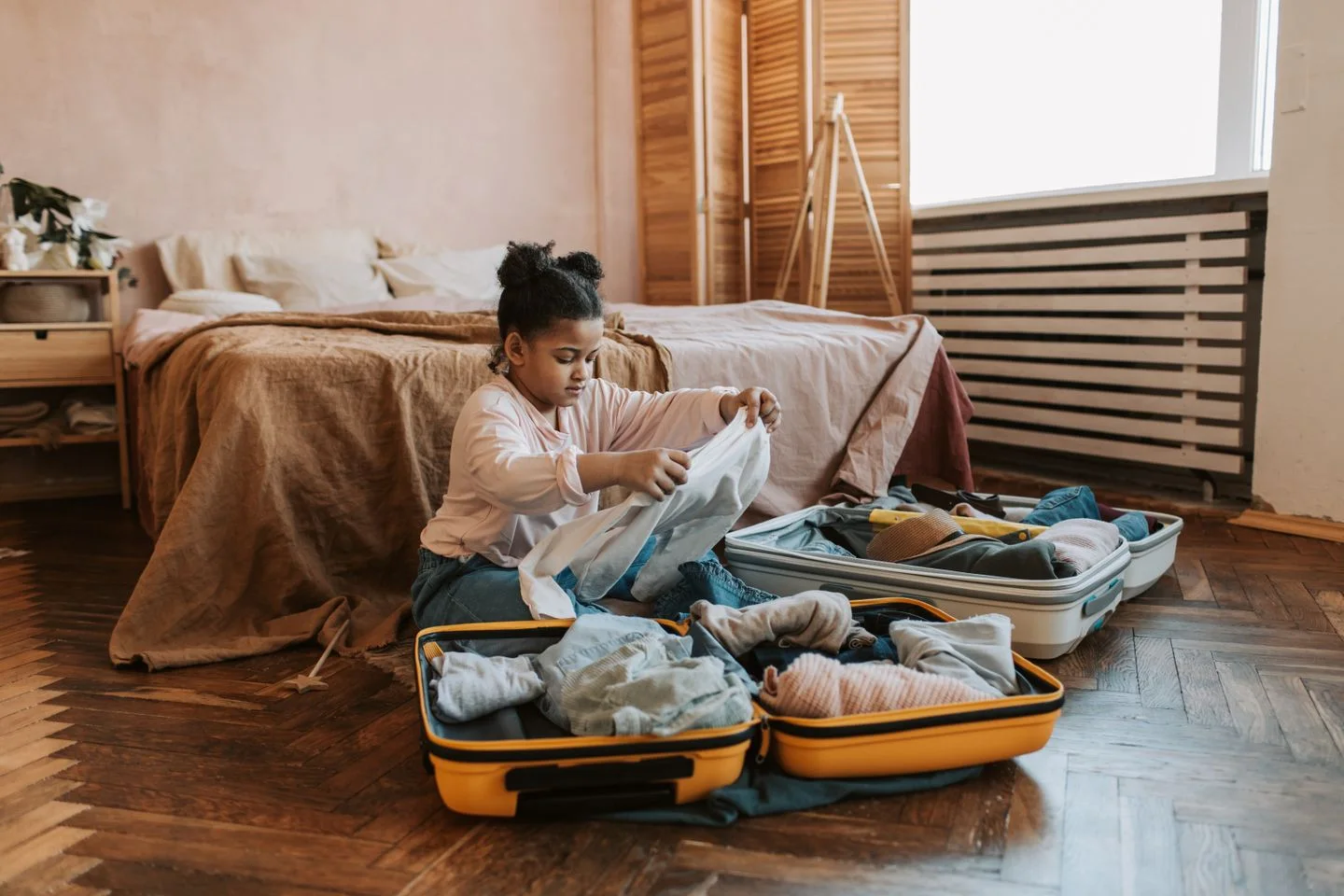
A travelling suitcase is not a complete move
Ask separately about equipment carried weekly between the family home, student accommodation and educational premises. Not every location falls within basic cover, and a temporary-location provision differs from general away-from-home cover. Describe the use that actually occurs instead of relying on the word student alone.
Review the record when an internship starts, a permanent move occurs or a course ends. An earlier explanation may have depended on a different household composition or address. Keep the date and the circumstances reported alongside the response. This preserves what was considered at the time, without assuming the explanation automatically applies throughout later stages of life. Include possessions returned to the parental home as well as those leaving it.