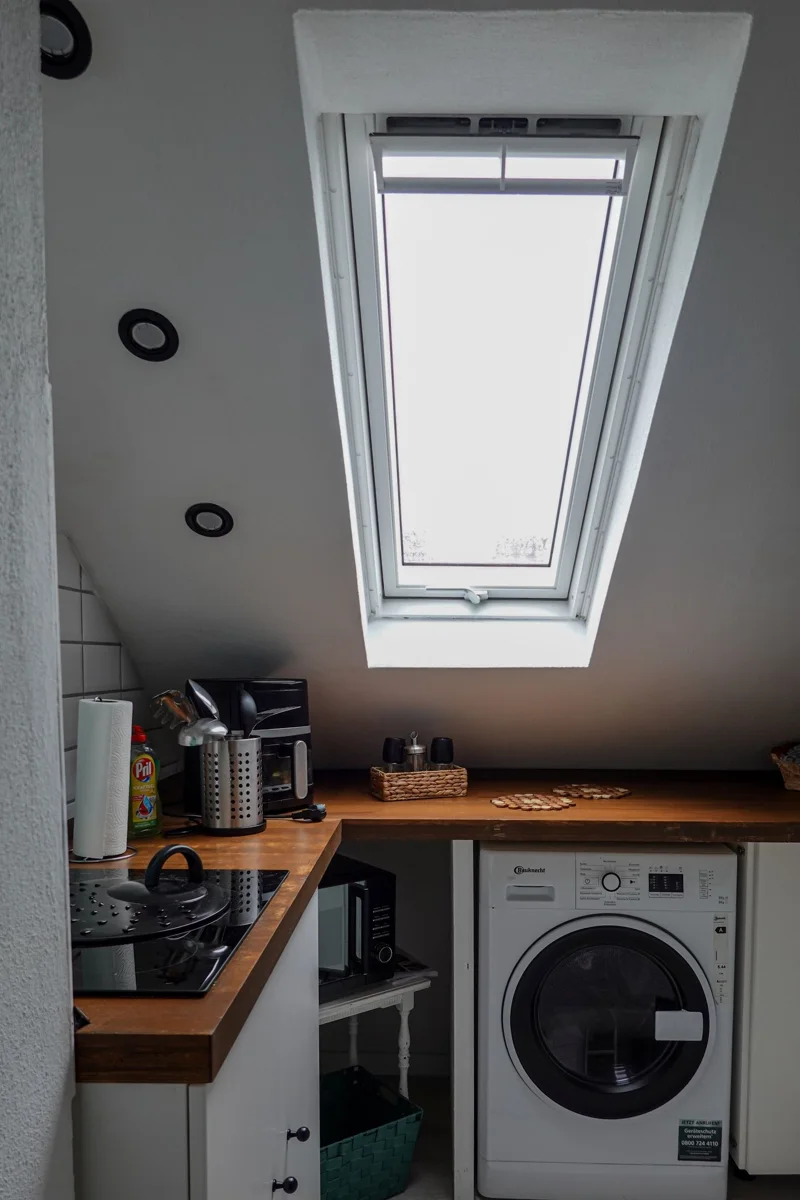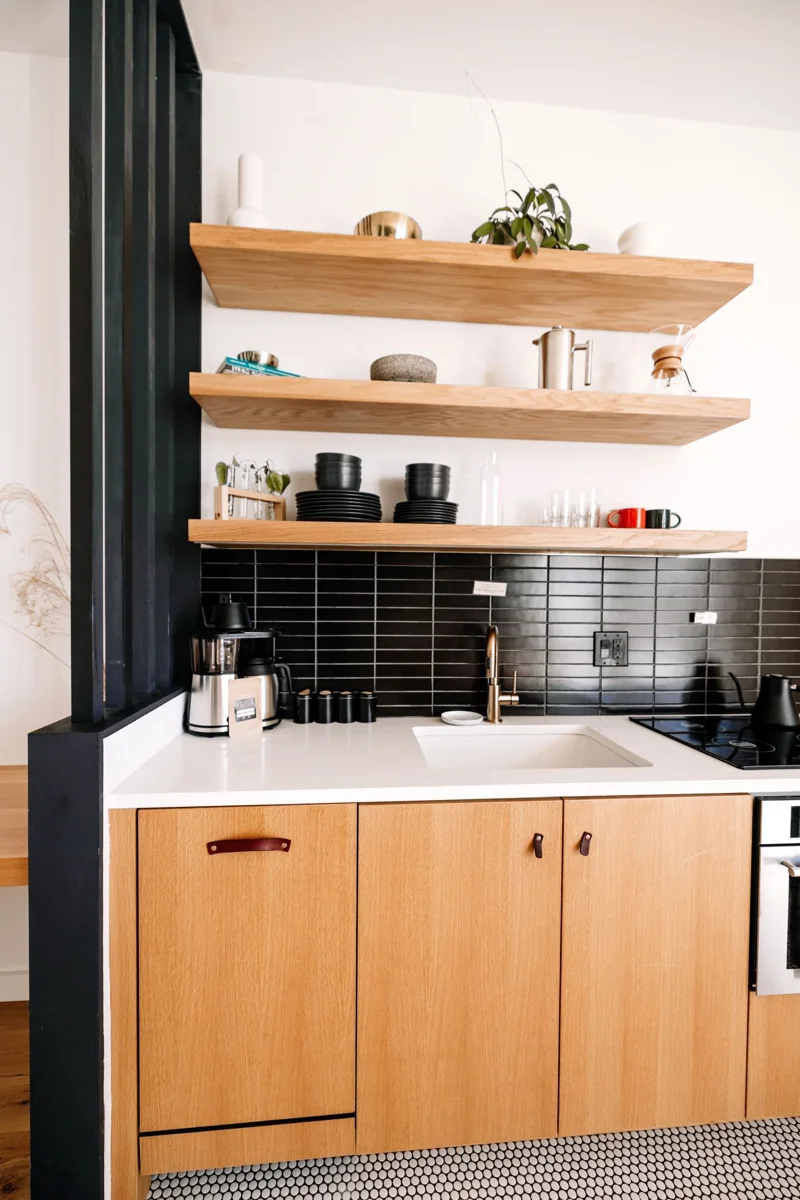
You rent the home but have arranged a replacement fitted kitchen at your own expense. The cabinets are attached, yet the expenditure is yours. This differs from a freestanding fridge or an unchanged landlord component. Examine tenant-improvements provisions alongside ownership, costs and tenancy arrangements.
Start with the work and its background
Record what changed, who commissioned it and when it was completed. Describe cabinets, worktop, appliances and movable furniture separately. One invoice for the kitchen does not establish identical insurance roles for every component.
Rabobank describes tenant improvements under its Interpolis offering around changes made at a tenant's expense or taken over in certain circumstances. This is product-specific information. Find the definition and limits in your own arrangement.
A kitchen acquired from a previous tenant needs different background information from one you commissioned recently. Keep an existing handover agreement and describe actual payments or arrangements. Do not recreate a missing agreement as though it had been recorded at handover.
Read the landlord arrangement separately
Ask which components originally belonged to the dwelling and what was agreed about changes. Permission to install does not itself confirm insurance cover. A removal requirement at departure performs another role from a policy definition.
Establish whether available documents leave the component at your expense after installation. Raise unclear points with the relevant parties. This article does not decide ownership rights from a single email.
Avoid assuming everything fixed must be dealt with solely through the landlord. A tenant-improvements provision may specifically concern fixed alterations. The opposite assumption is also mistaken: paying yourself does not automatically insure every event involving every component.
Examine the improvement provision
Find the definition and establish that the relevant cover applies. Read any limit, valuation arrangement and interaction with other insurance. A figure on a product page cannot settle all these questions.
For an unclear category, ask with a concrete work description. Photographs show arrangement; invoices and agreements explain its background. Do not remove cabinets to demonstrate attachment. Describe known installation details and use suitable assessment for technical questions.
Separate freestanding and integrated appliances within the kitchen. Cover for improvements does not necessarily describe every movable object in the room. A new kettle can remain a different classification question from a fixed worktop.
Do not spread one incident across the whole kitchen
Record which parts were actually affected and the known cause. Buying the project together does not mean every component was damaged. Existing wear and a recent incident should not be merged into one entry either.
Ask who assesses what where landlord components and your improvements are both affected. Keep the factual account consistent across conversations. The purpose is allocating questions clearly, rather than giving each party a different favorable account.
Keep explanations with the wording version and the improvement described. A later addition may create another question that an earlier confirmation does not automatically address.
Revisit the arrangement when the tenancy ends
Improvements may be removed, left behind or transferred at departure. Record what actually happens and identify required insurer notification. Ownership, location and the relevant insured interest may change.
A small record of the improvement, its background and provision helps more than the broad label new kitchen. It keeps original building components, your alteration and movable belongings distinguishable. This is also useful when another resident takes over: they receive factual information about what exists, without inheriting an unsupported promise that your own insurance arrangements continue unchanged for them.