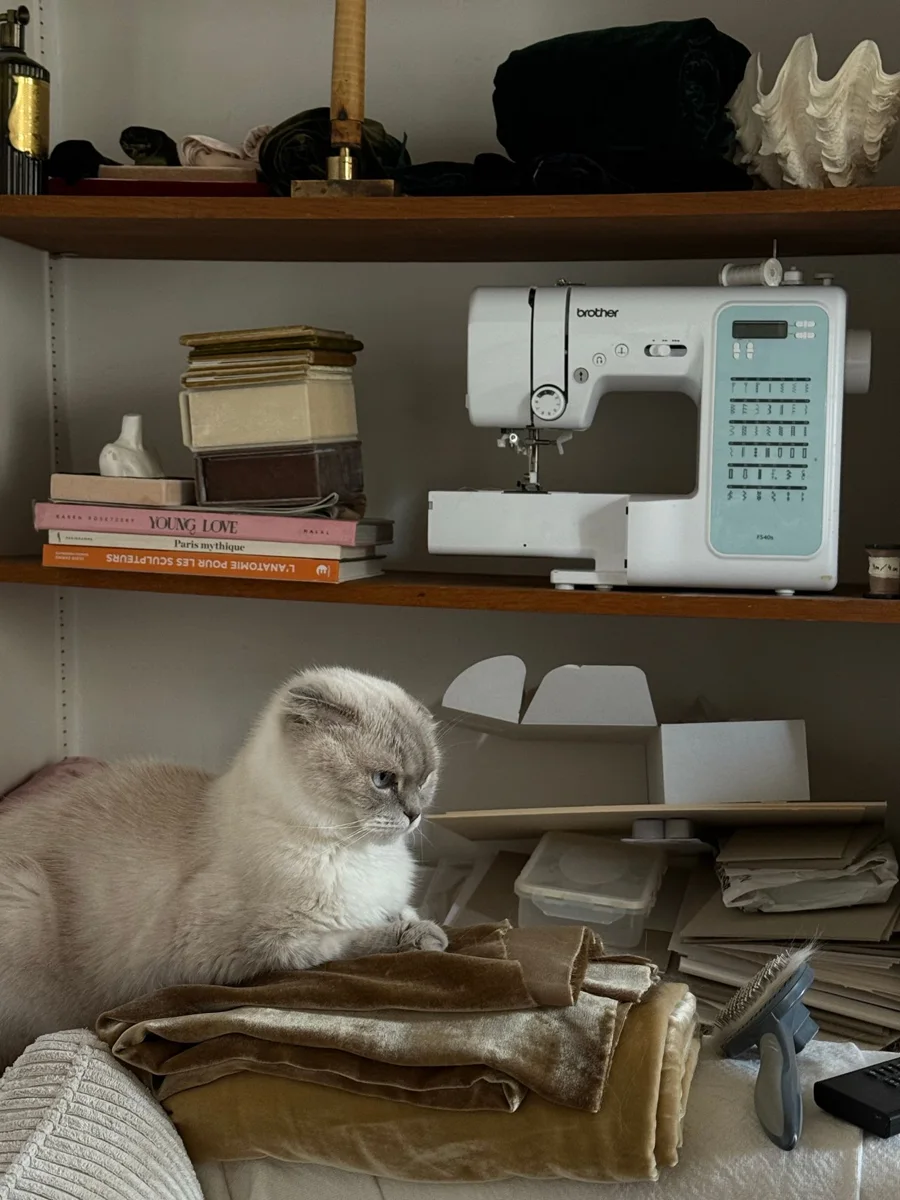
A laptop, desk or sewing machine may be used at home and for work. Its room does not tell the whole story. Establish who bought and owns it, its use and the contract's description. Calling somewhere a home workspace does not automatically turn business property into personal belongings.
Describe the item's background
Retain purchase information and identify personal, business or employer purchase. These are different starting situations. An invoice may contribute information, but the policy also requires reading. Do not relabel a business machine as personal because it stands beside your chair.
Interpolis distinguishes personally purchased property also used for work from business purchases or stock in its workspace explanation. Univé separately discusses business goods at home. These are product-specific accounts rather than a combined universal boundary for every insurer.
Describe mixed use concretely. A laptop for personal administration and occasional work differs from equipment solely serving client assignments. You need not choose the more favorable category yourself; ask which provision applies to the real description.
Separate equipment from stock
A machine used to make something need not have the same role as products held for sale. Record them separately. Materials, finished goods and customers' possessions should not automatically become one group of personal contents.
Ask which information is needed for a mixed space. Photographs may clarify arrangement without proving ownership or purpose. Keep the personal or business background alongside visual evidence.
The building question remains too. A home workspace may concern property use independently of equipment insurance. An answer about a laptop does not settle treatment of a studio or customer area.
Match the question to the agreement
Where several contracts exist, identify the owner, activity and location each addresses. An employer arrangement, private contents contract and business equipment policy are not interchangeable.
Report changed use according to your arrangements. If a hobby becomes a business, describe the development factually and keep the response. An earlier explanation about a hobby may no longer apply unchanged.
Aim for a clear distinction among personal use, business purpose and relevant contracts. That supports further enquiries without turning the location of a desk into a personalized insurance recommendation. Where an answer concerns only one item, retain that scope rather than treating it as permission for every object or activity in the same room.