When damage happens
A washing-machine leak: separate the appliance, belongings, and building
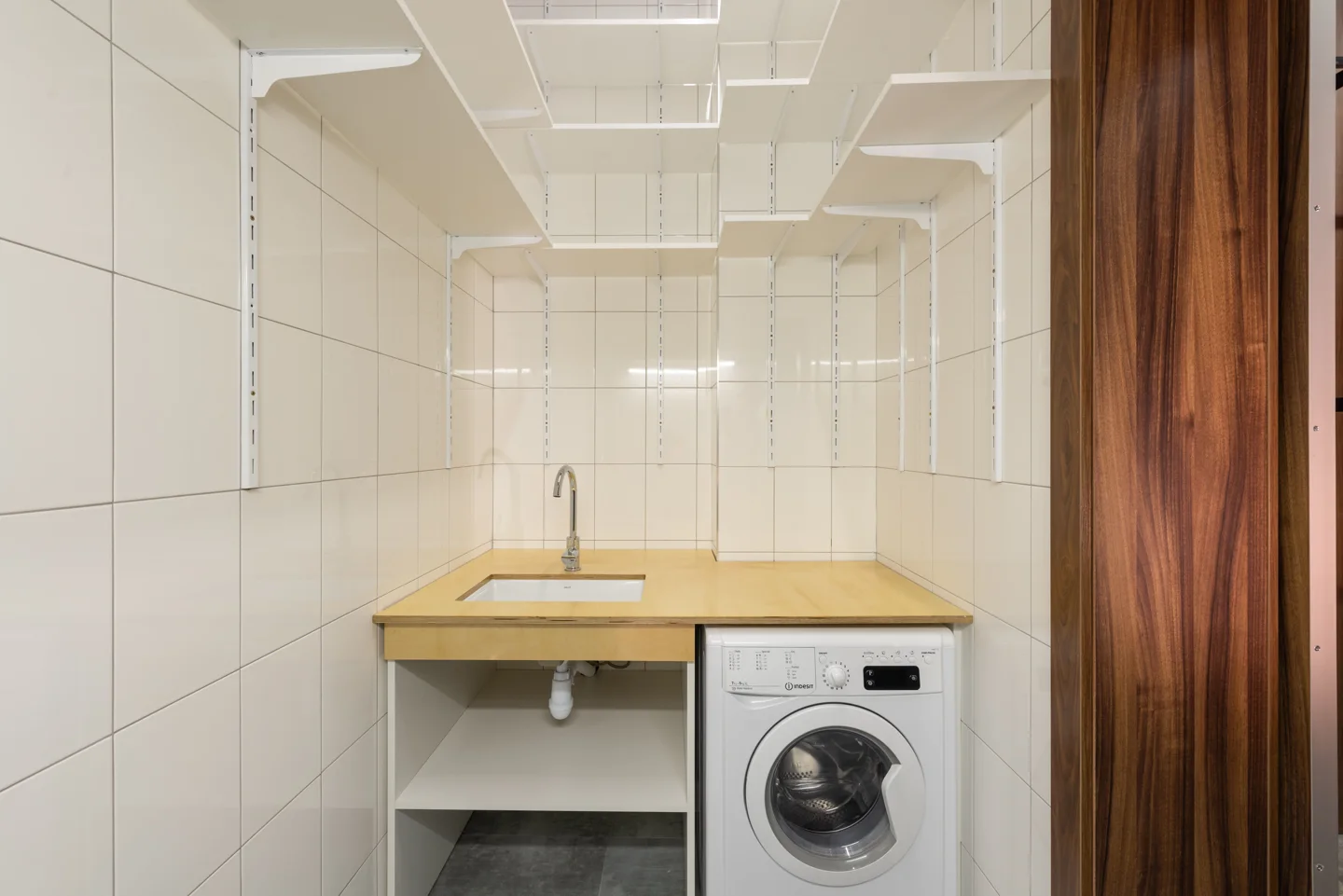
A leaking washing machine raises separate questions about repairing the appliance, damaged possessions, and damage to the building.
From a leaking washing machine to a damaged floor.
A leaking washing machine raises separate questions about repairing the appliance, damaged possessions, and damage to the building.
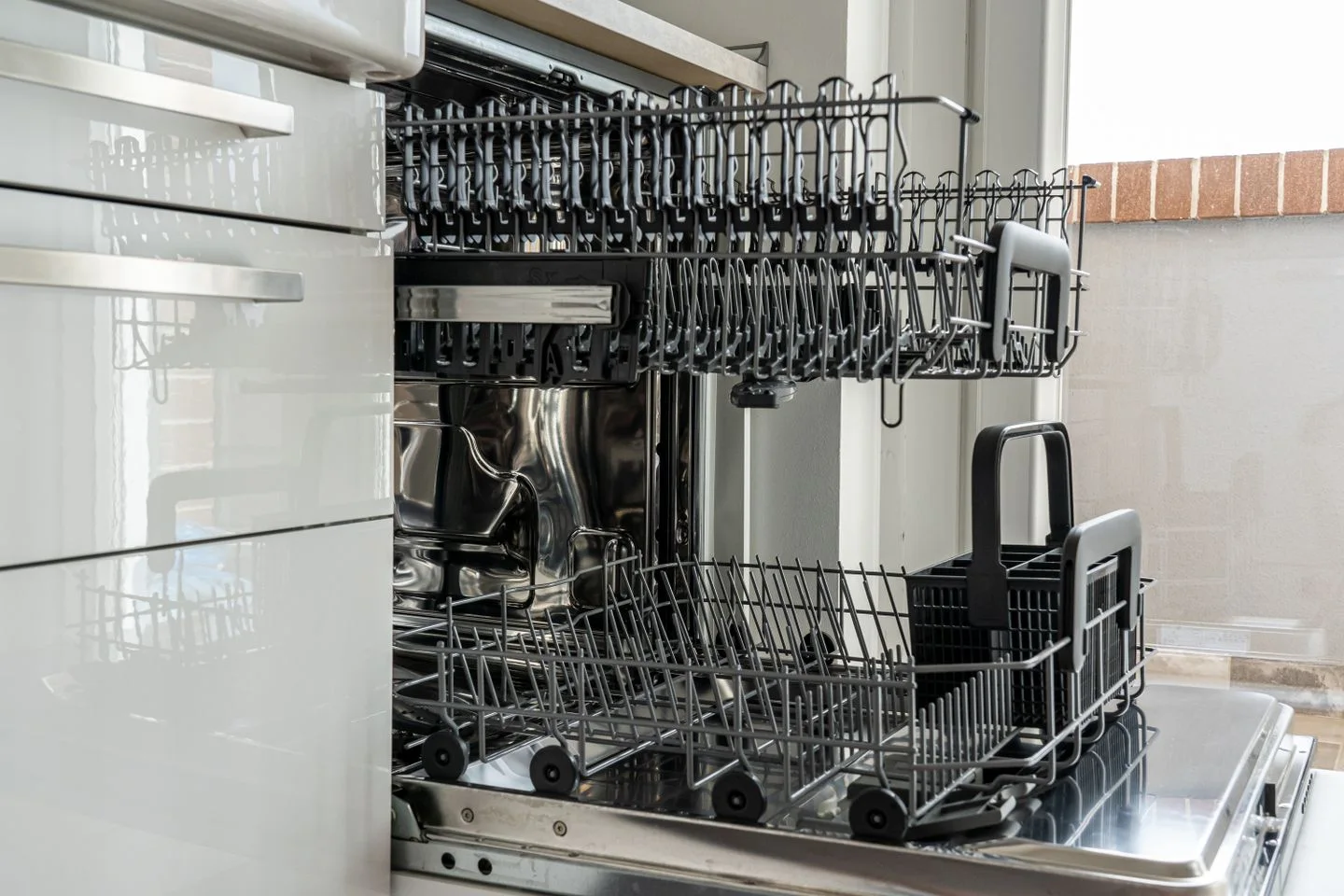
A dishwasher leak can affect the appliance, possessions, and fixed kitchen parts; assess those items separately.
A burst pipe, investigation work, and damaged belongings should not automatically become one unexplained cost total.
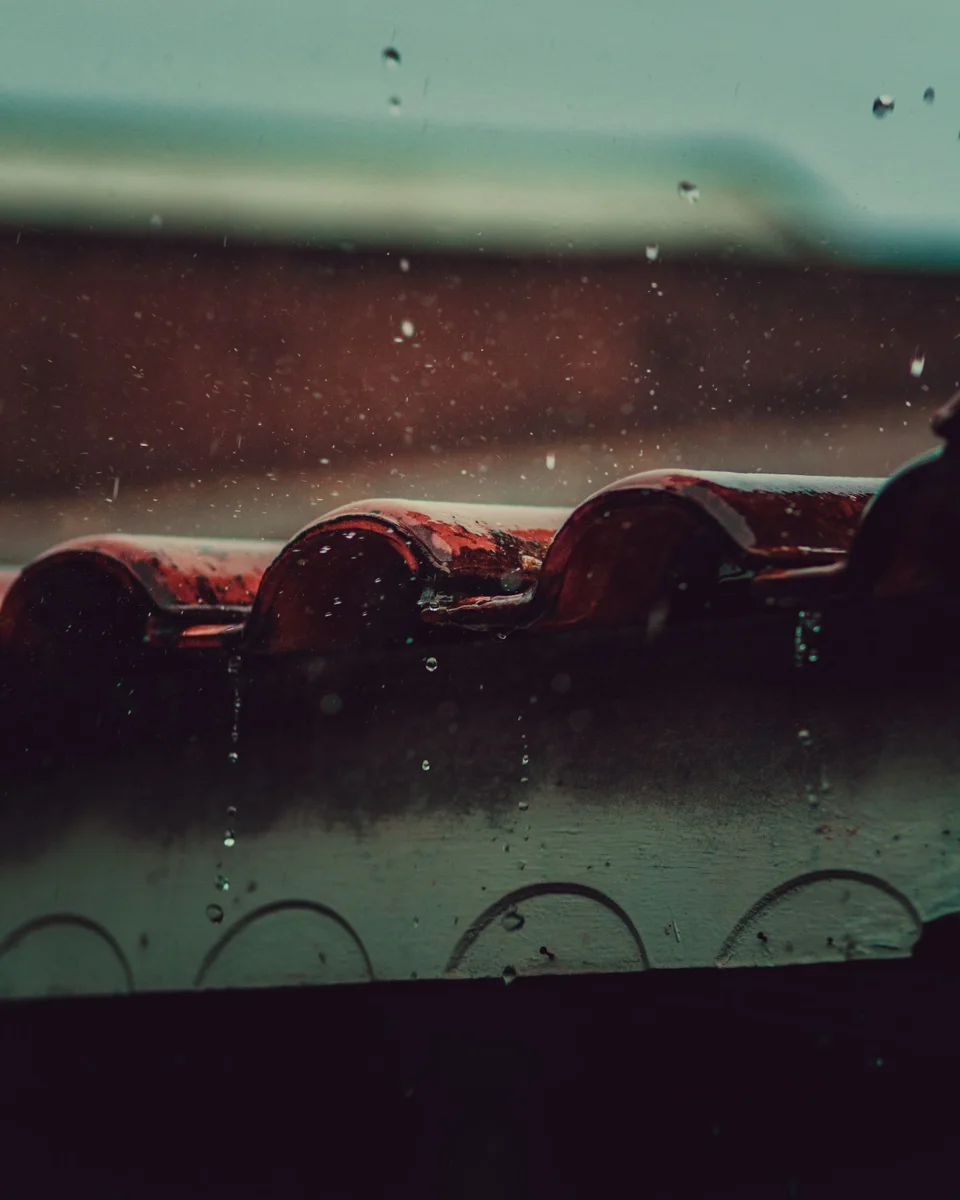
The roof defect and damage below need different descriptions and evidence, and may involve different policies.
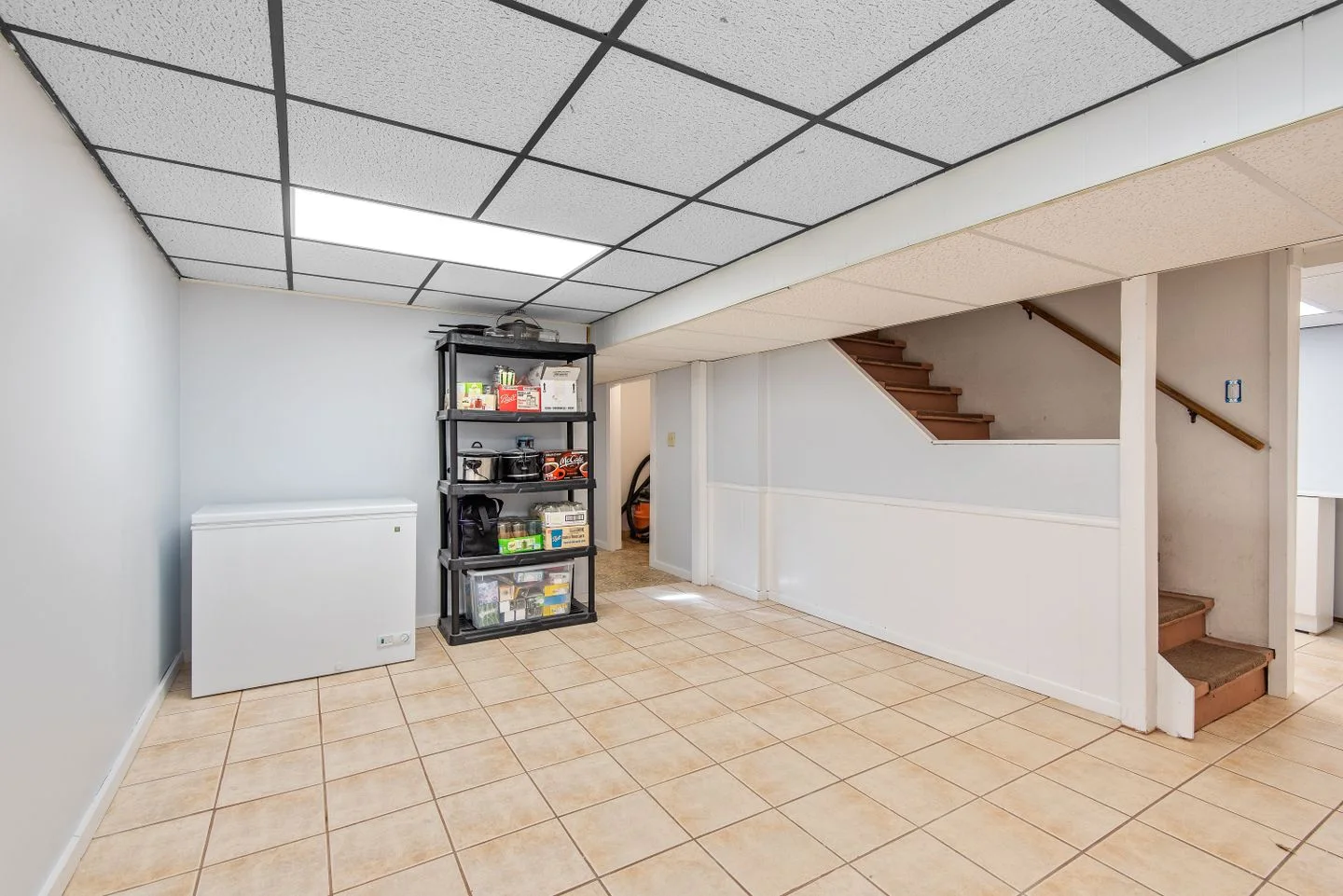
Basement water can have different sources; describe it as groundwater only when there is a factual basis.
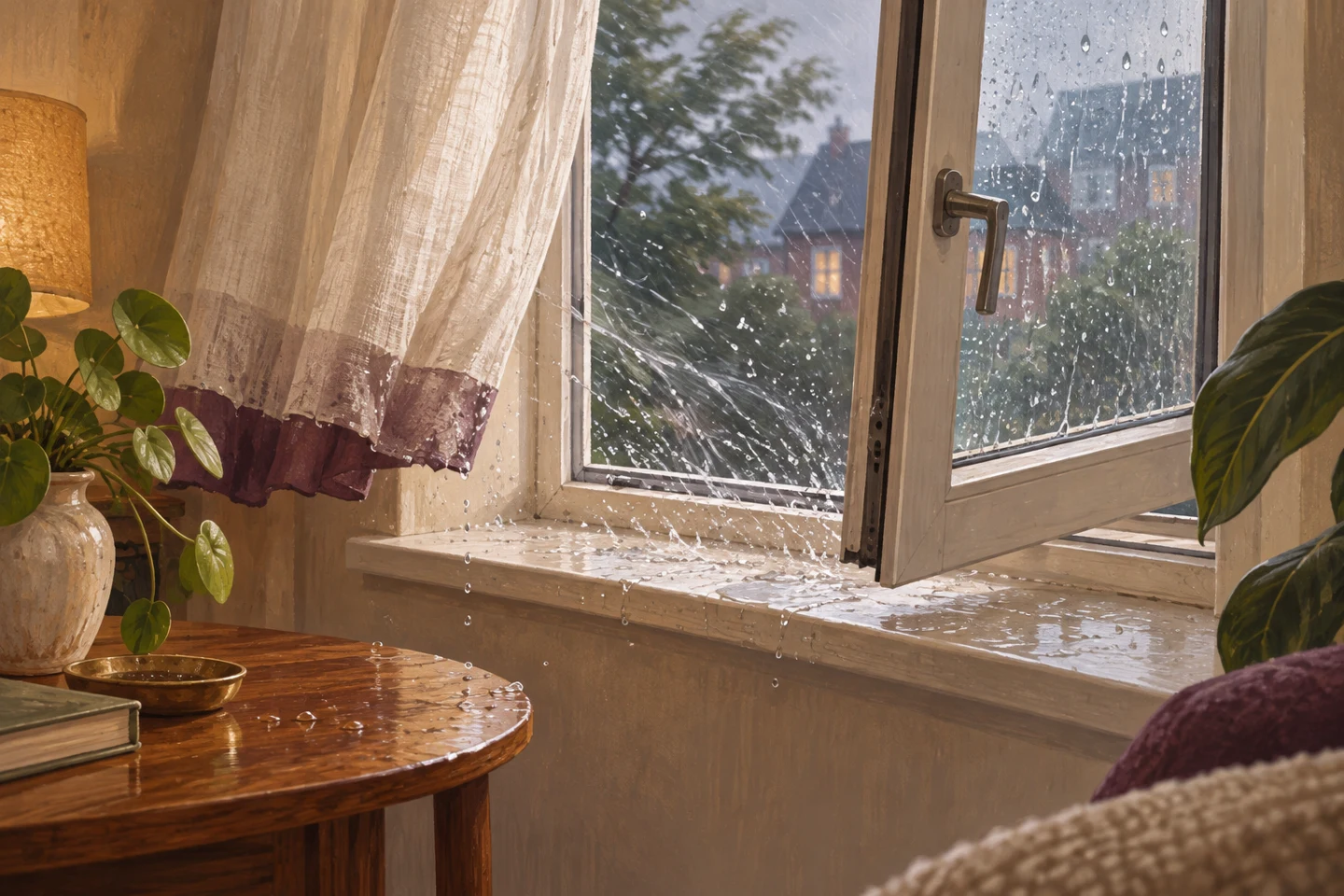
An open window can raise a different policy question from broken glass or a defective connection.
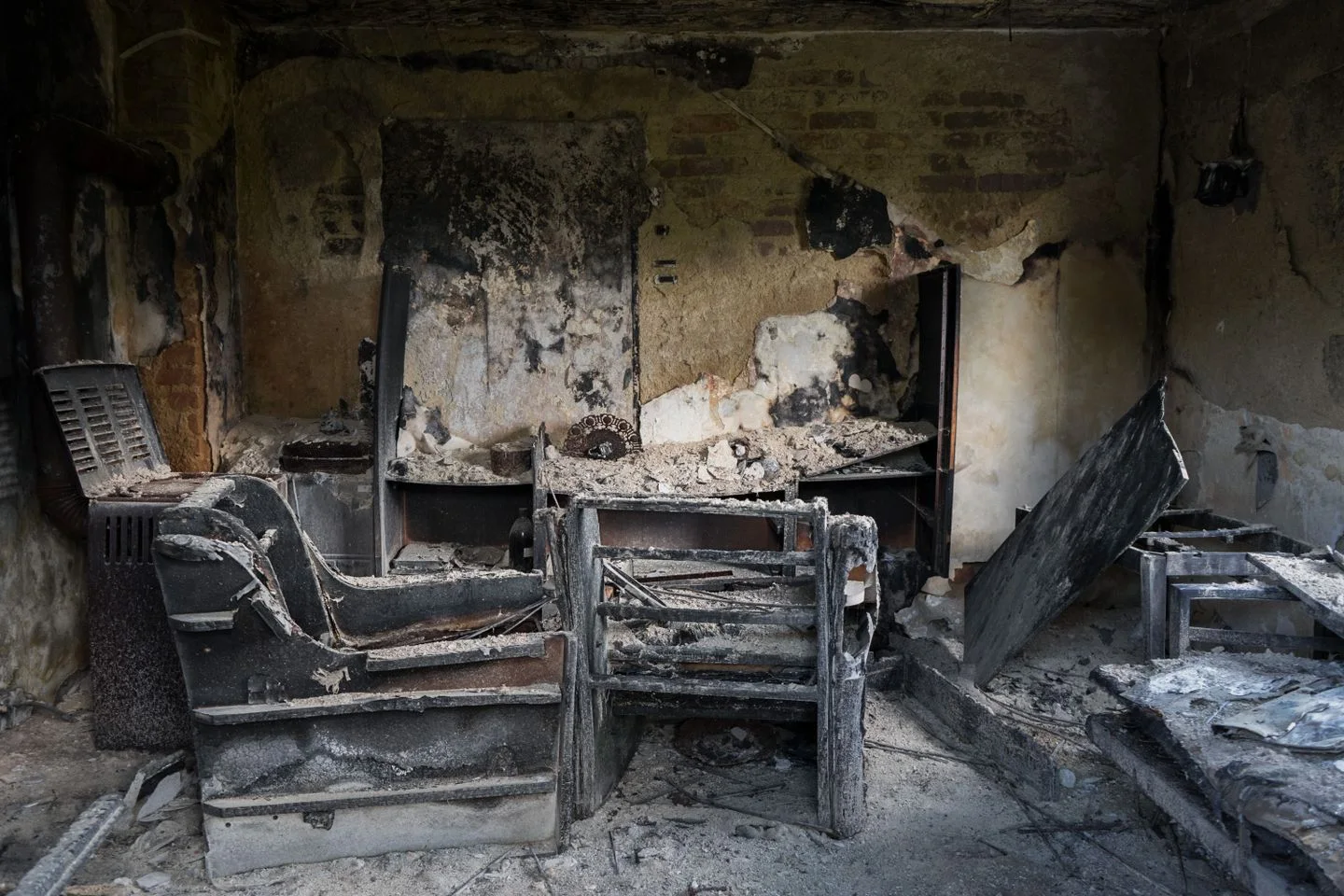
After a kitchen fire, safety comes first; separate records for possessions, fixed kitchen parts, and response costs help afterward.
Smoke and soot damage needs a description of source, spread, and affected possessions, even when those objects did not burn.
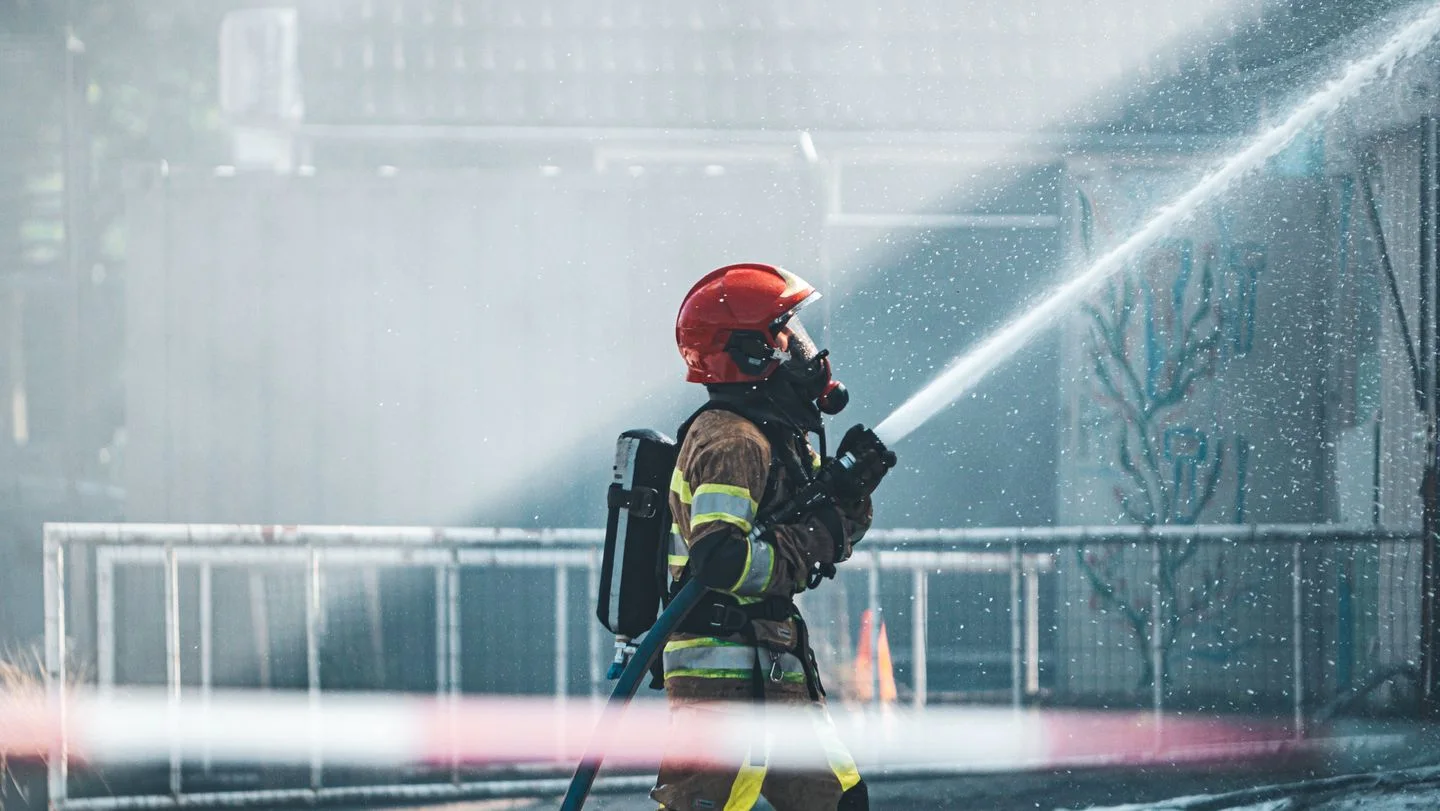
Firefighting can also wet furniture, textiles, and other belongings; record those effects alongside the fire damage.
A burglary report concerns missing belongings and entry damage; police investigation and insurance assessment have different purposes.
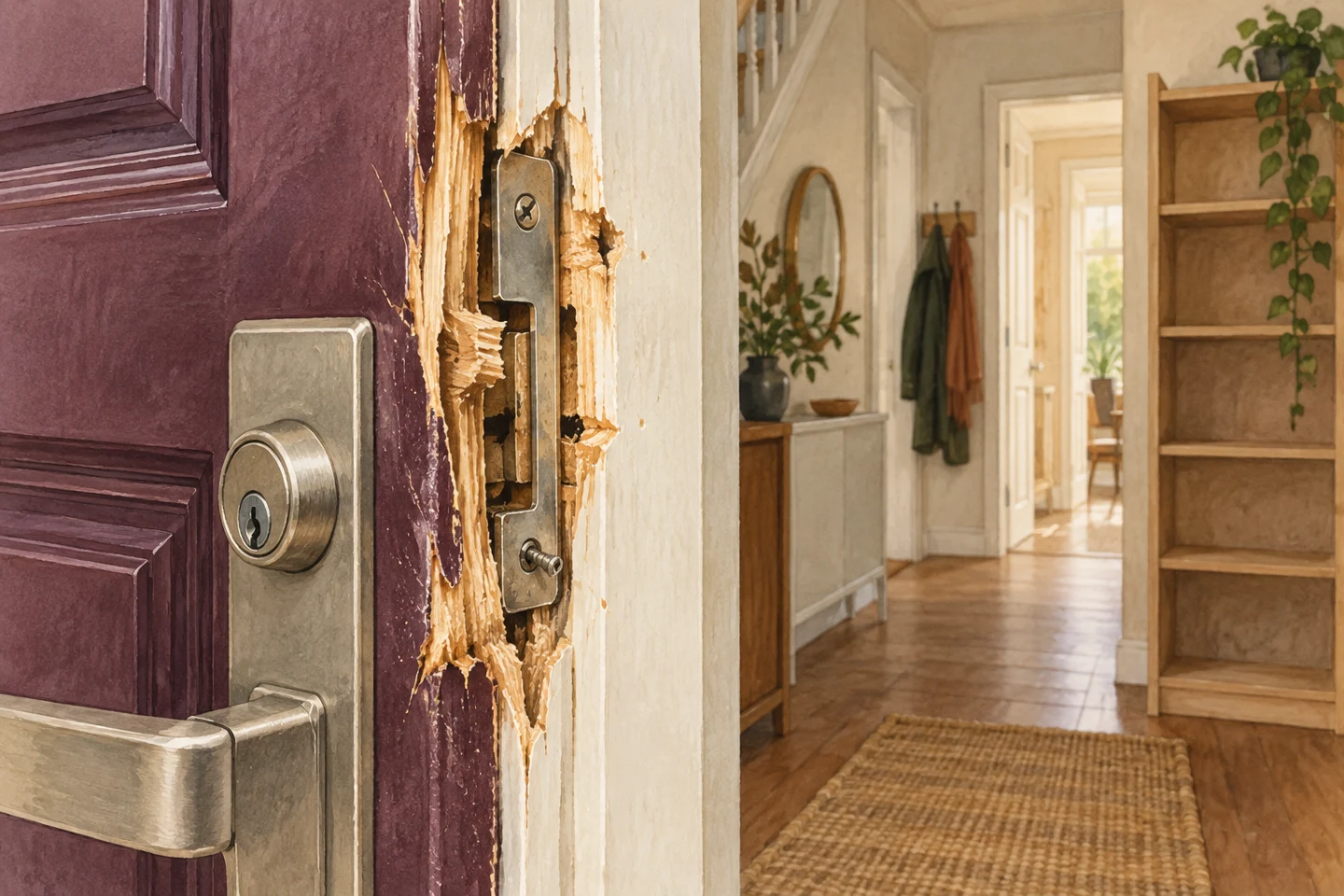
No visible forced-entry marks is an observation, not a complete description of the theft or applicable cover.
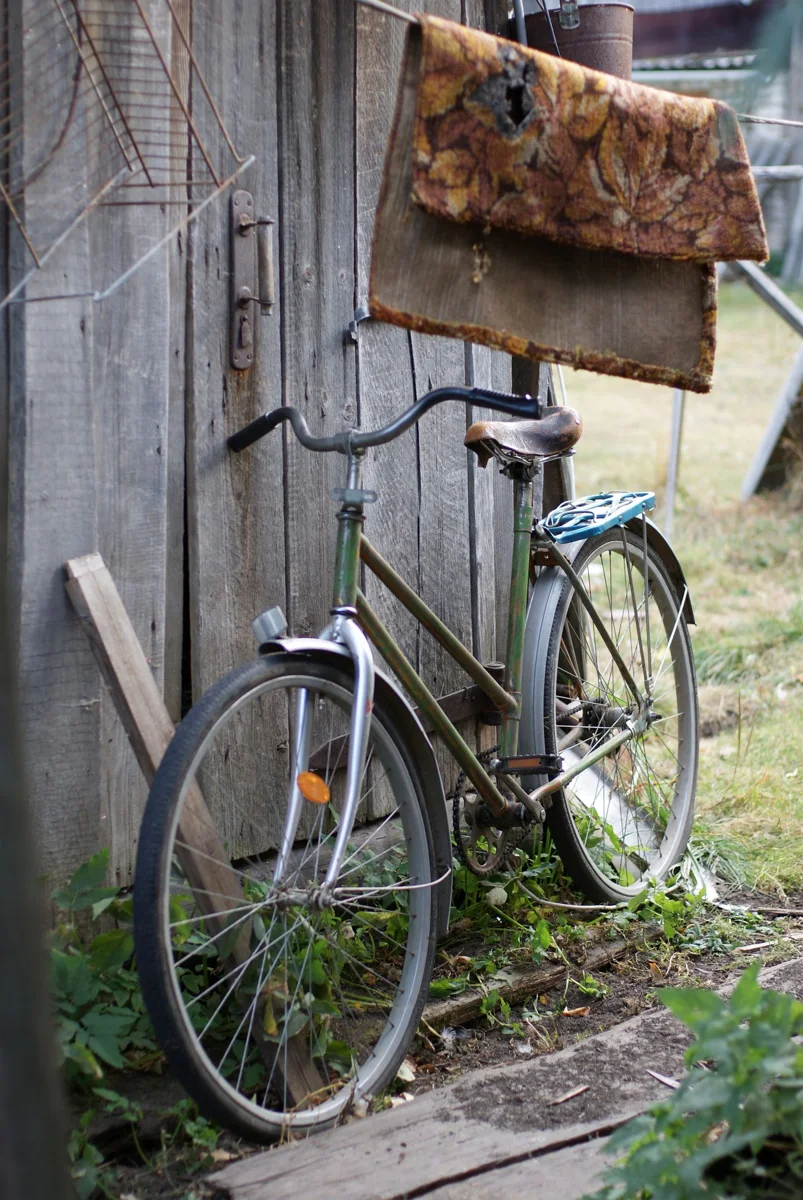
A stolen bicycle needs a record of the bicycle and the shed where it was stored.
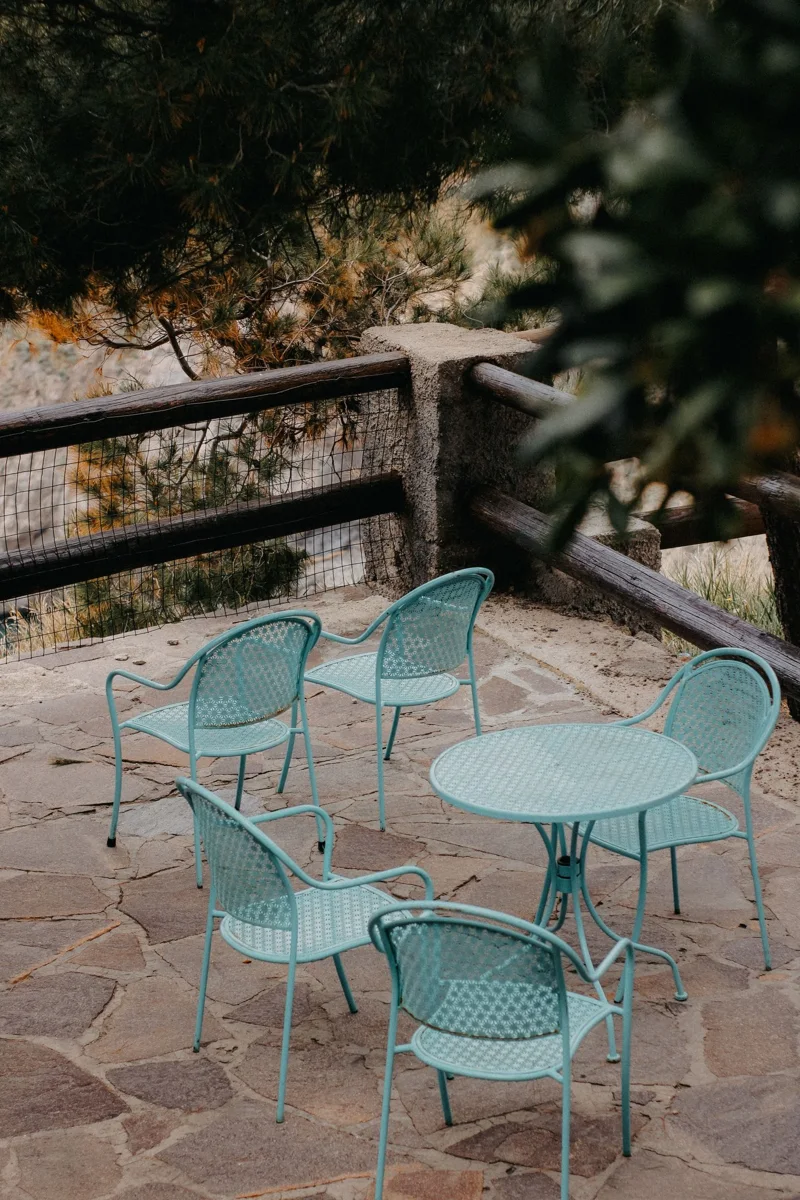
For storm-damaged garden furniture, the object, outdoor location, and event are separate questions.
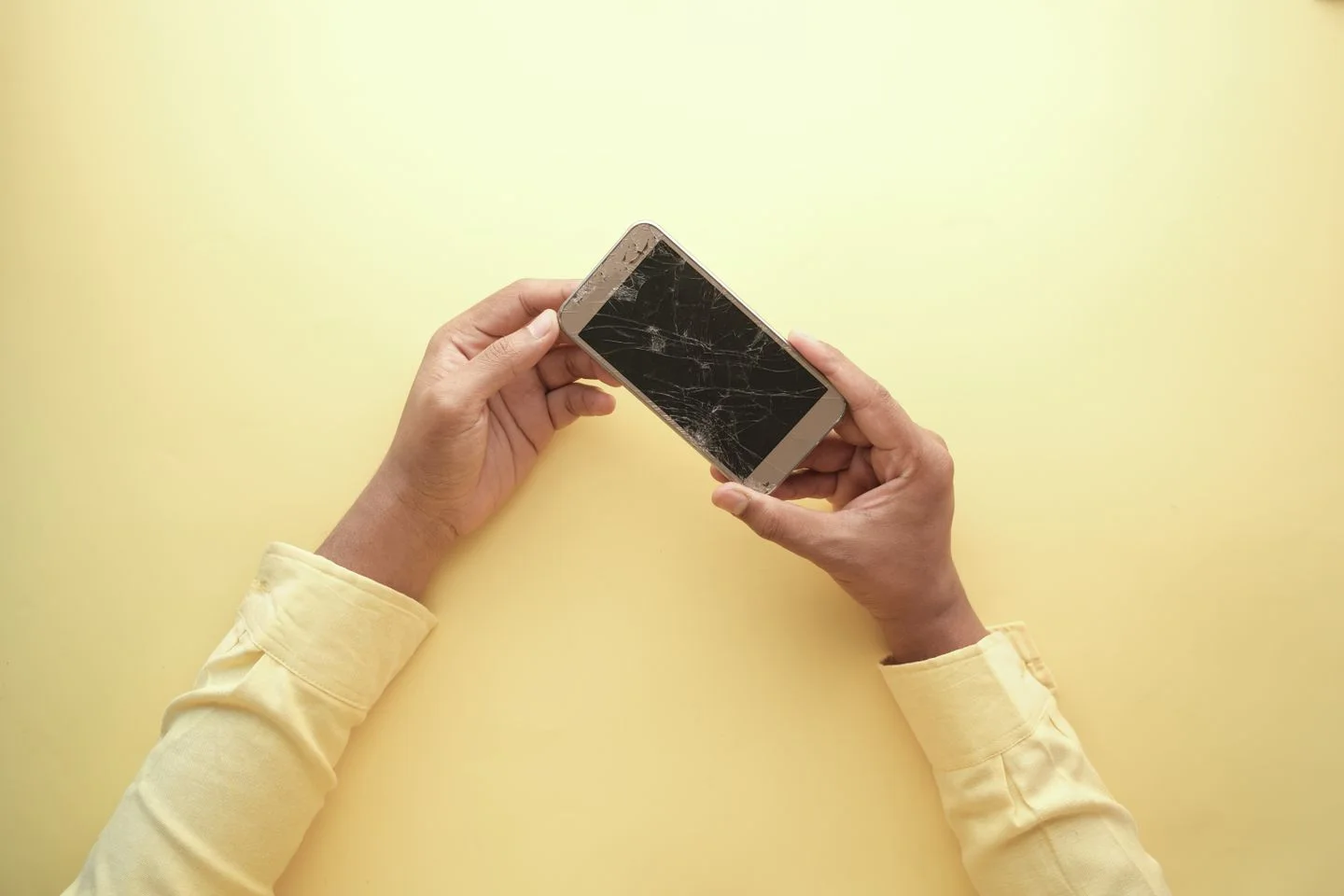
A broken phone screen first requires the right event description and the right policy section.
Describe the spilled drink as an event, while the repairer separately records the technical findings.
For a knocked-over television, the sequence, device category, and repair assessment matter more than the label accident.
Scratching, chewing, and knocking something over are different events; read the pet wording alongside the incident.
When a child breaks something, first identify the object's owner and the actual sequence of events.
A visitor can cause damage before the correct insurance route is clear.
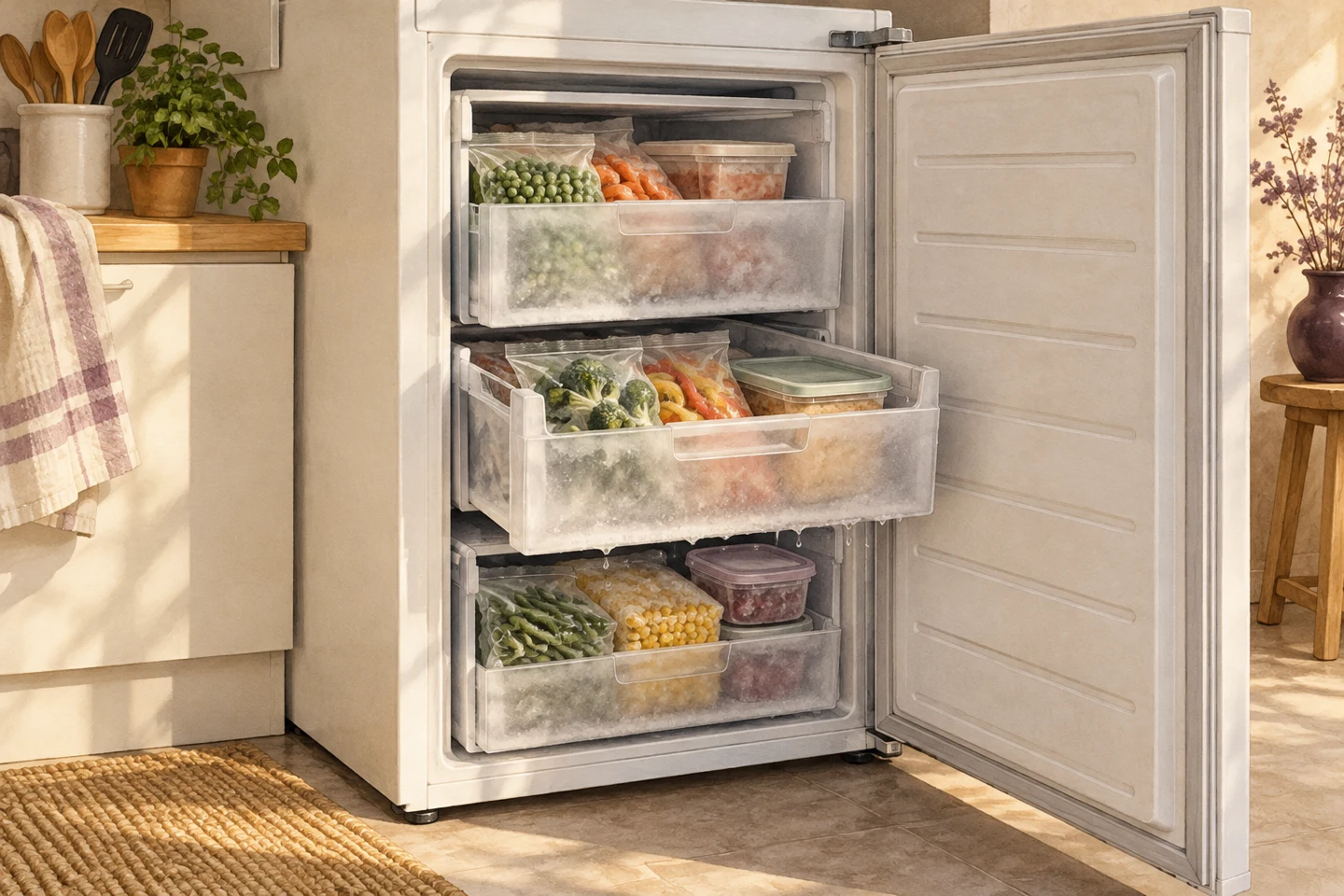
A freezer failure can create several loss items, each needing its own explanation and evidence.
Electronics failing after a thunderstorm need a timeline and technical findings, rather than just the label lightning.
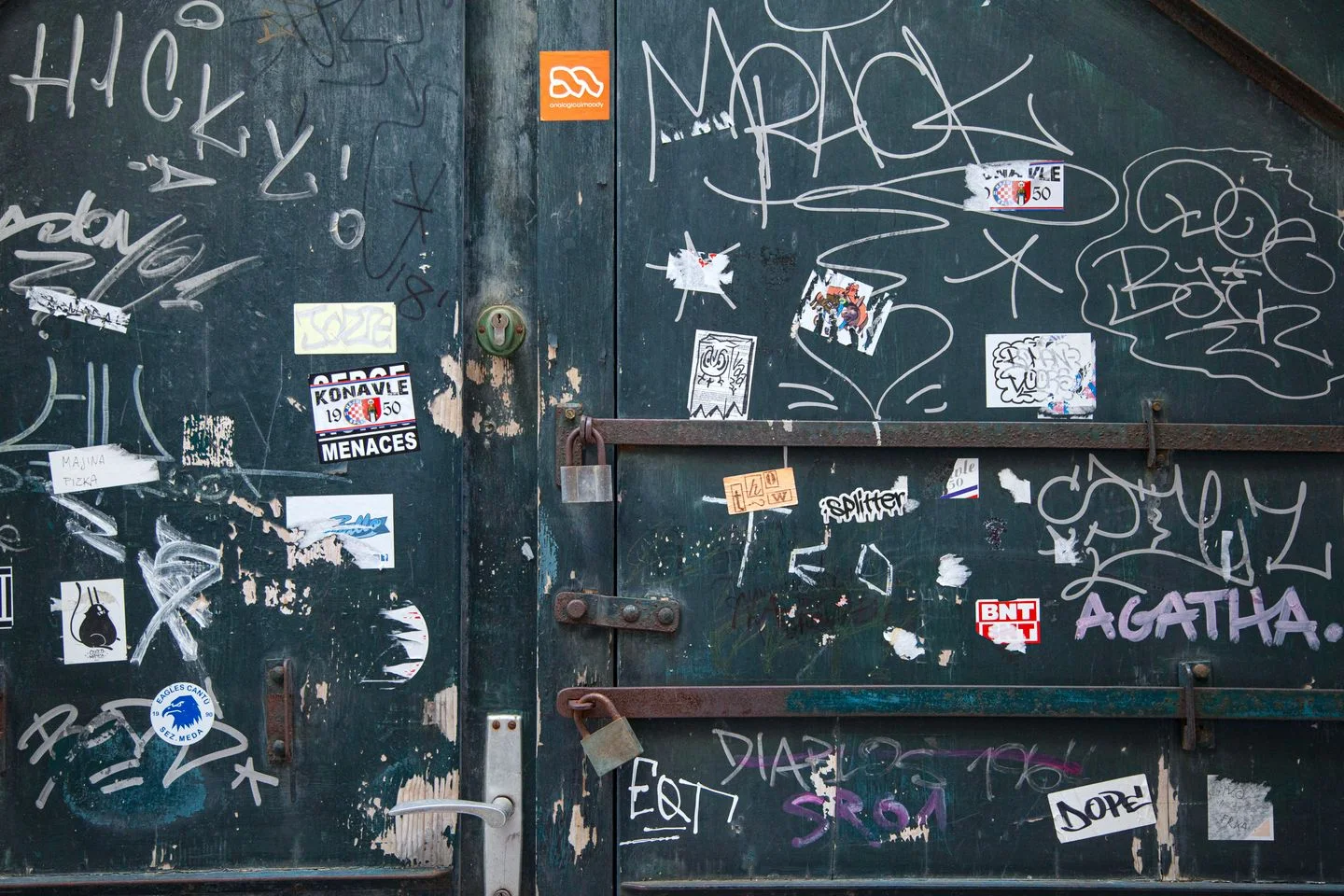
For vandalism, access, ownership, and the individual damaged items need to remain identifiable.
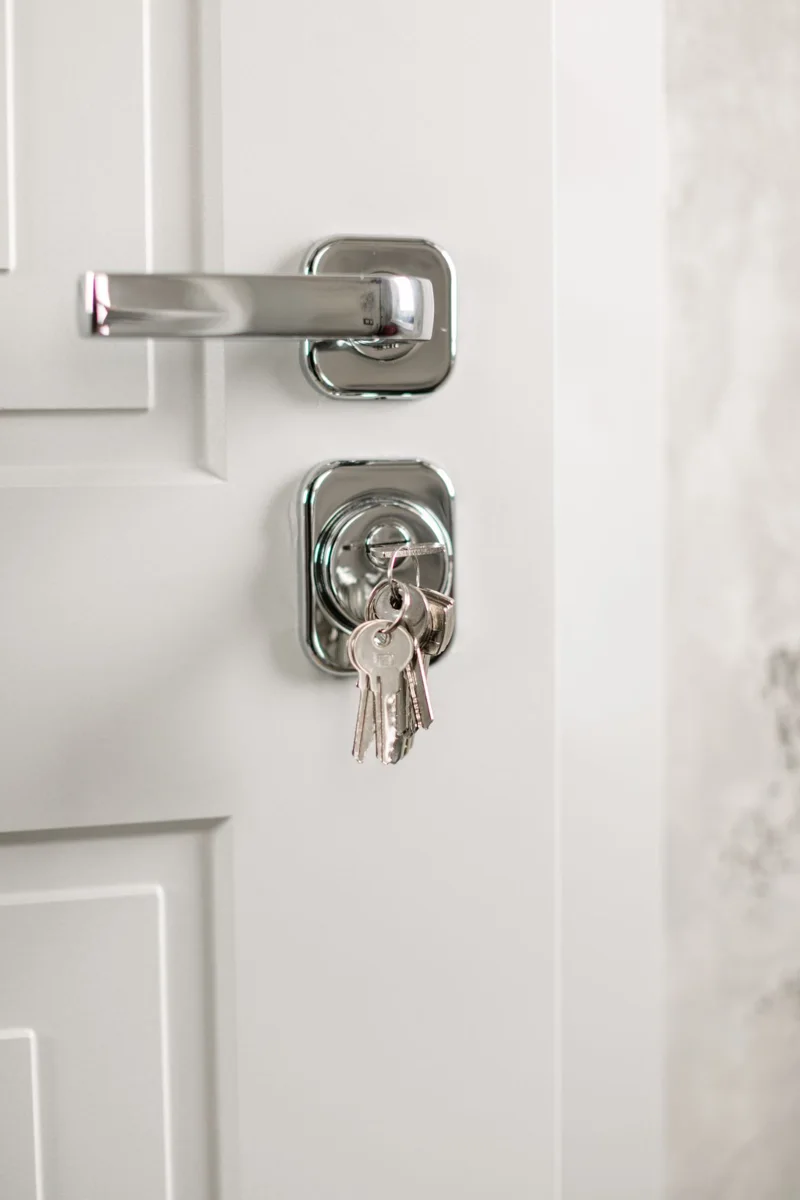
A missing key, emergency opening, and replacement lock are three different questions in a claim file.
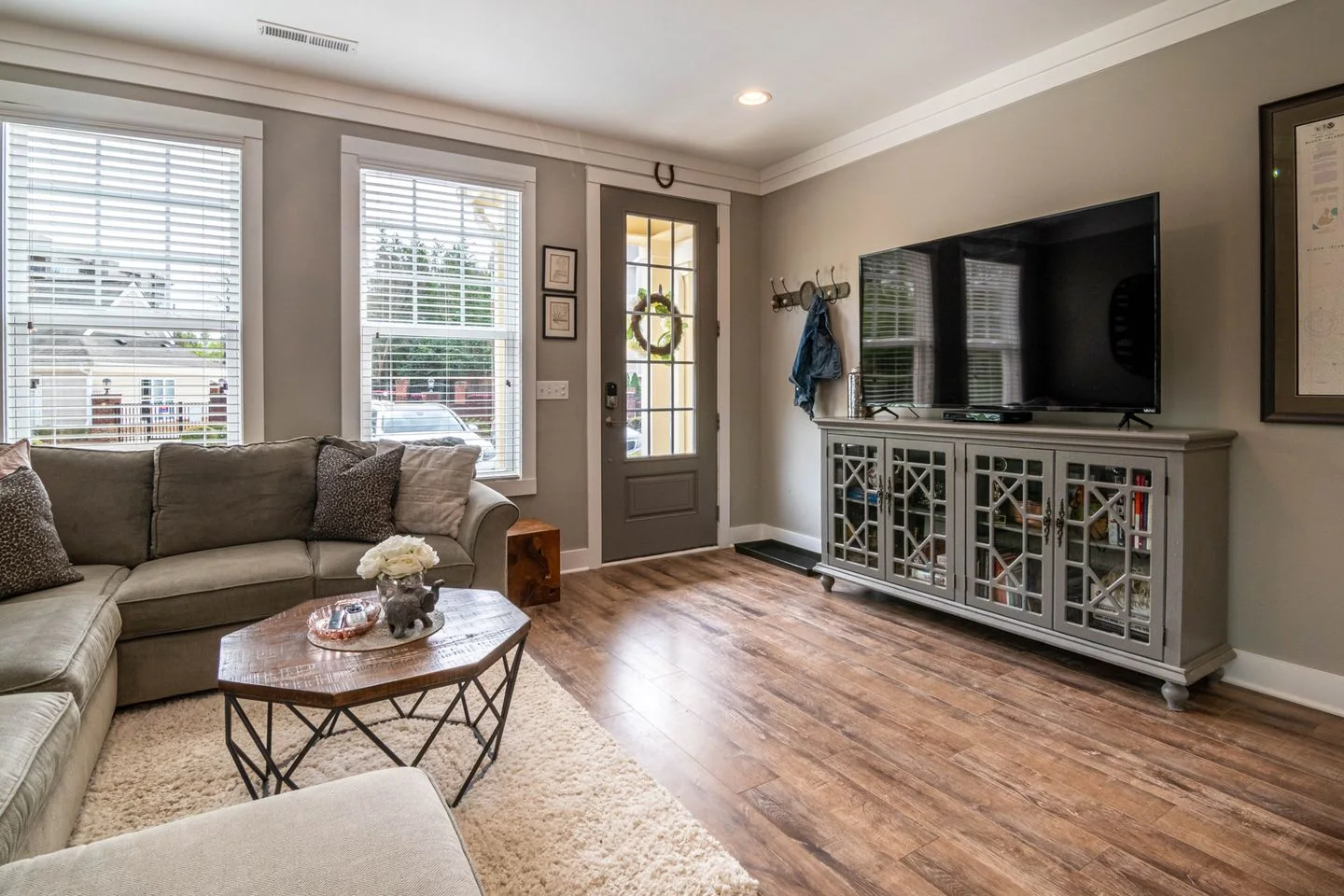
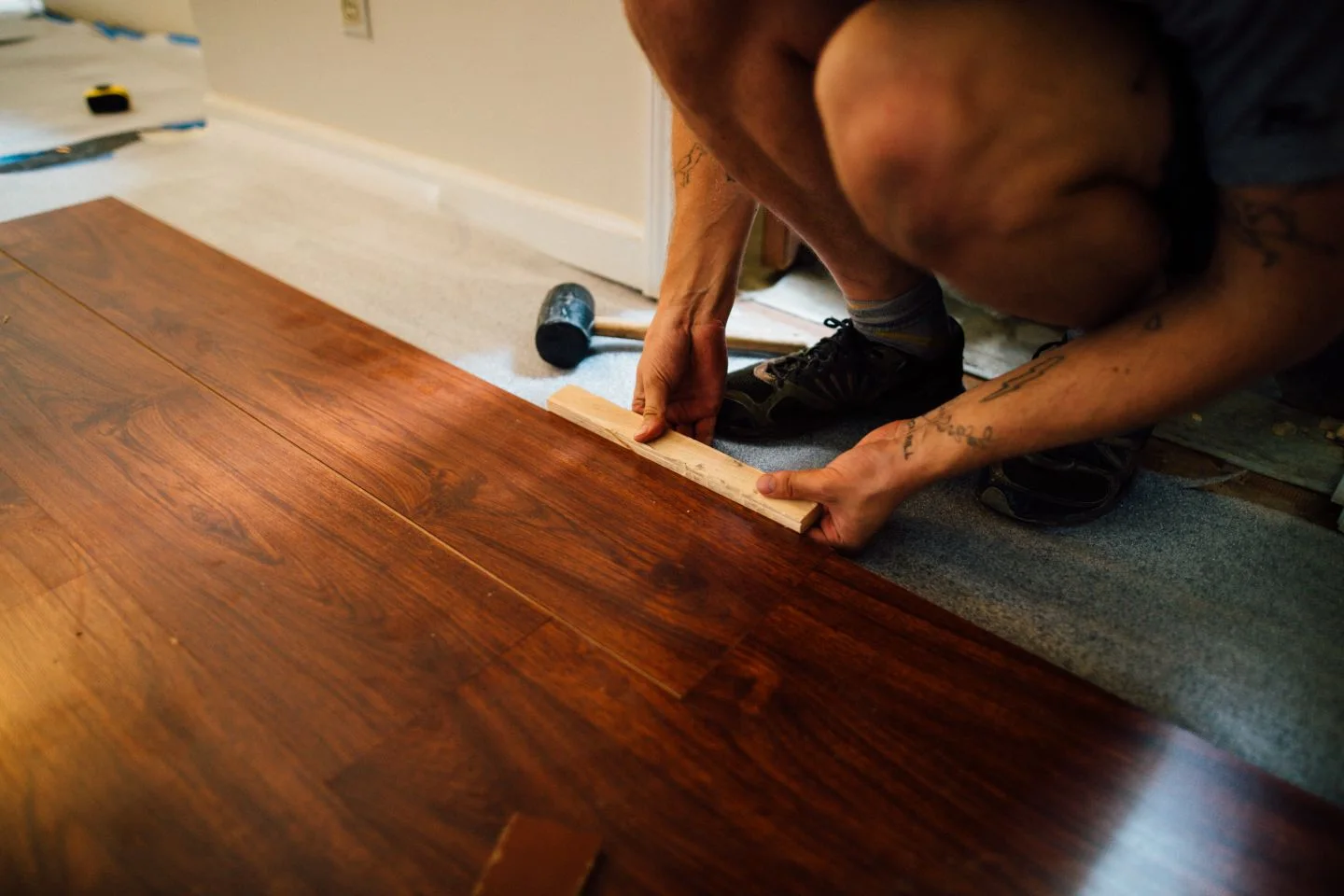
For wet laminate, identify installation, ownership, and the affected layers before choosing an insurance category.
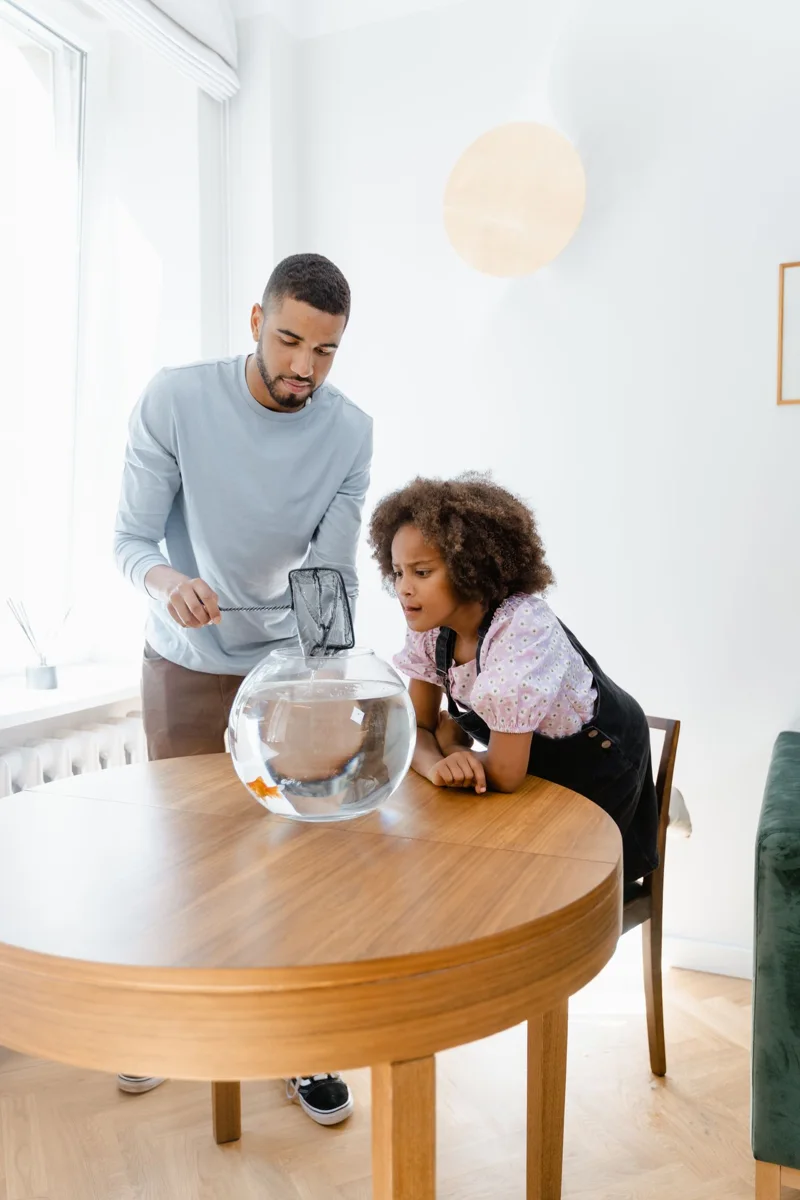
With an aquarium leak, the tank, escaped water, and affected belongings are separate parts of the account.
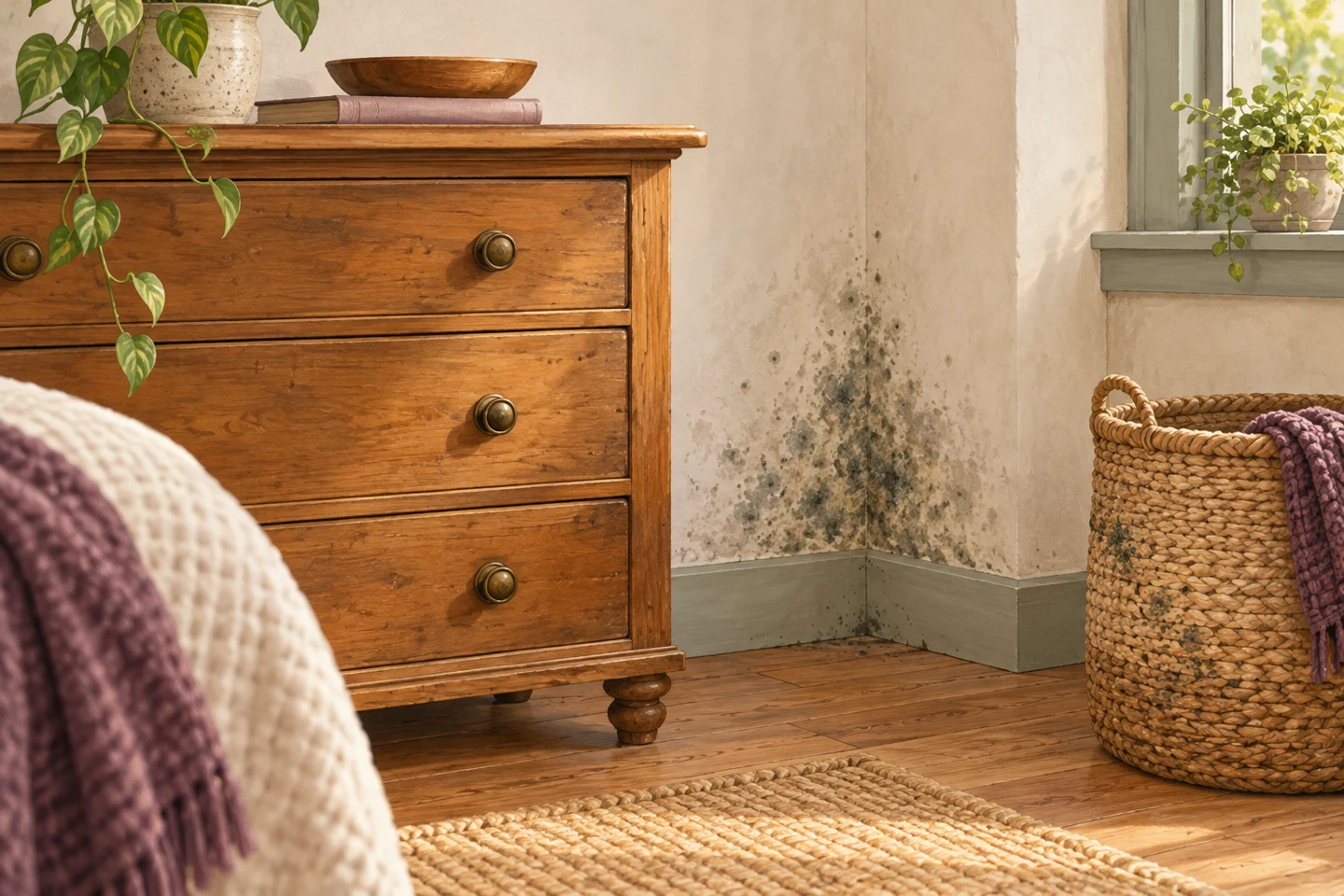
For mould on belongings, the development of the moisture problem matters alongside the discovery date.
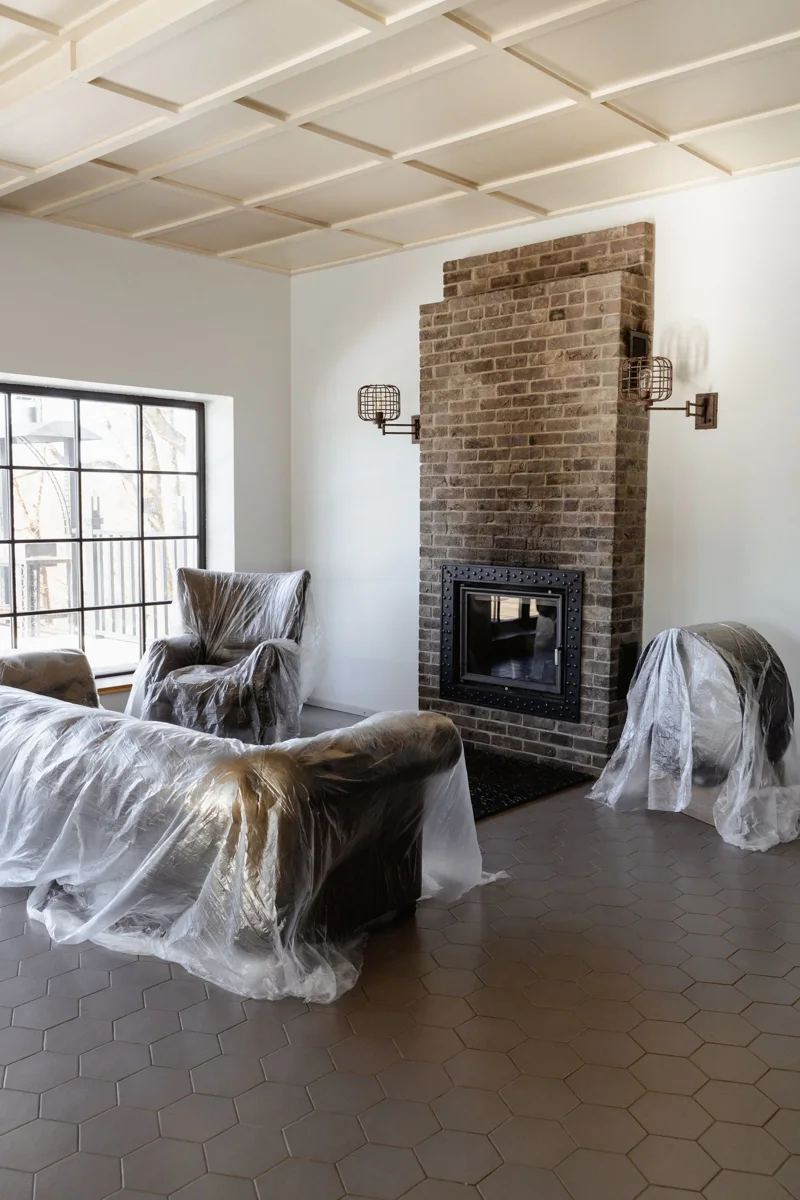
Dust during renovation needs a specific event, the existing arrangements, and an assessment of each object.
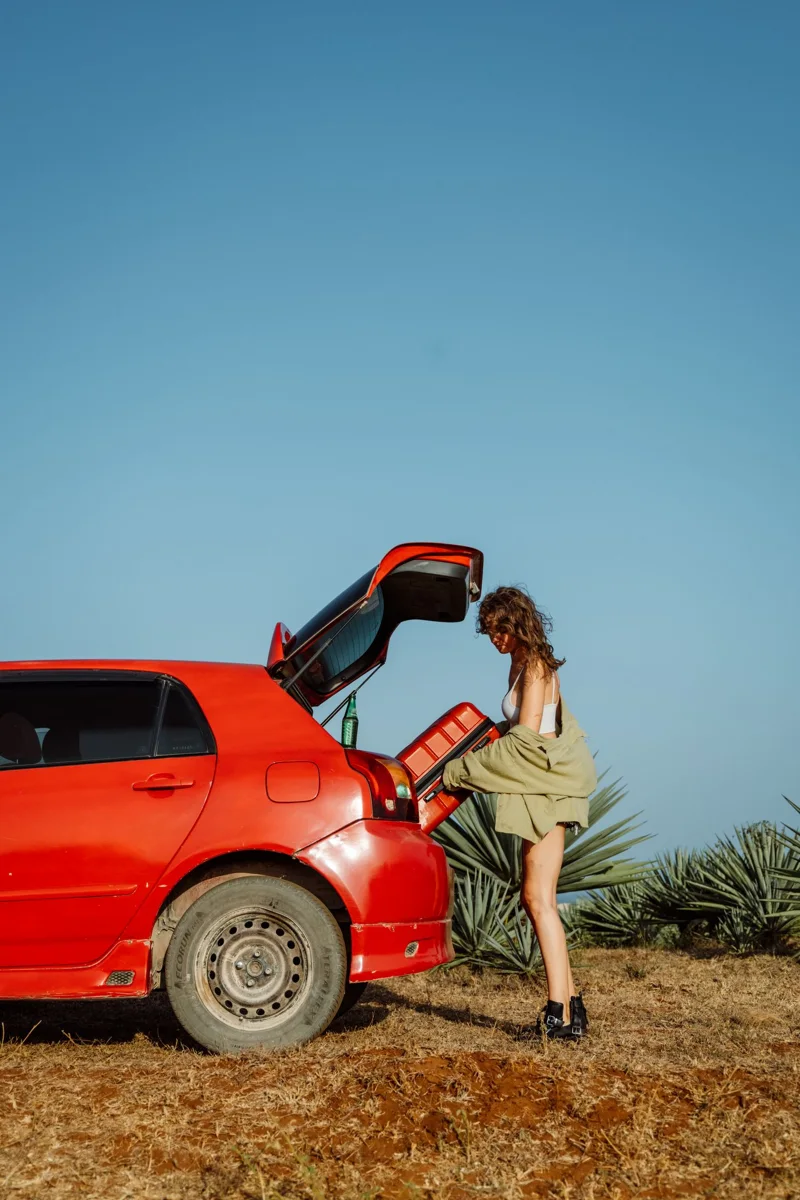
Belongings inside a car require a different location enquiry from possessions inside the home.