Home & change
A rented home with improvements you installed
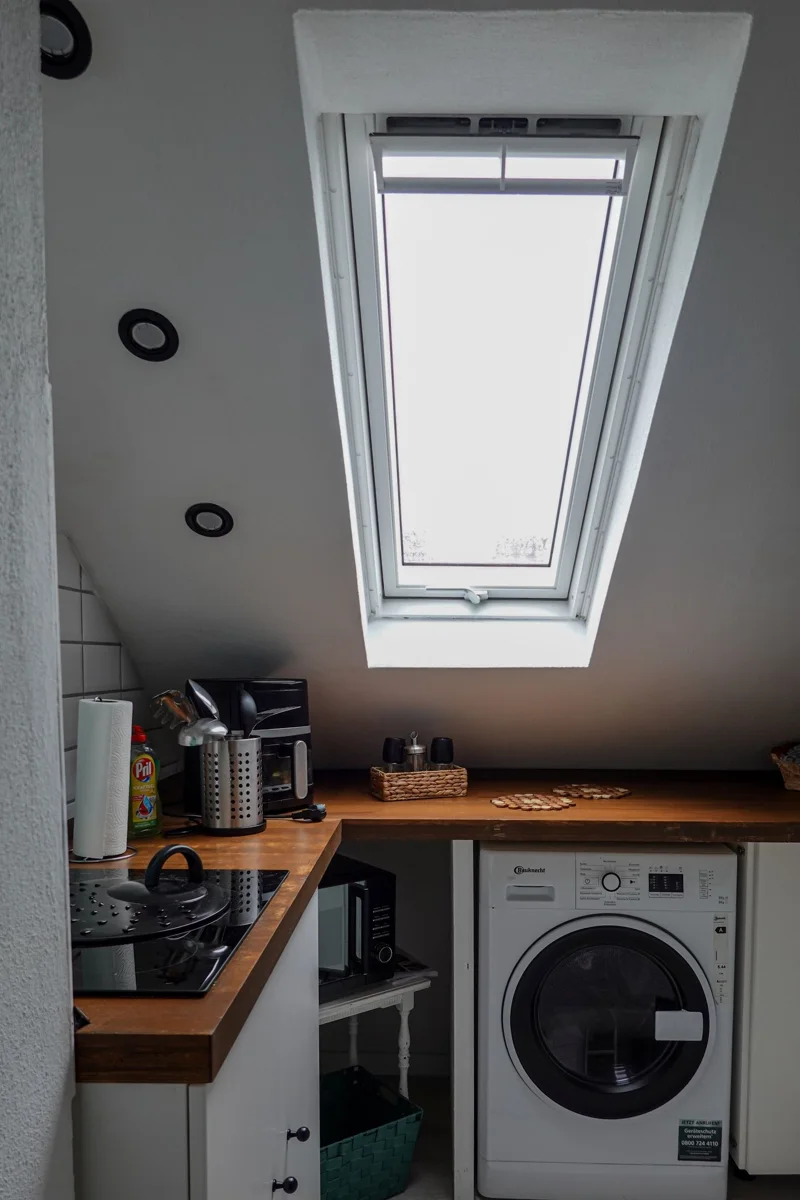
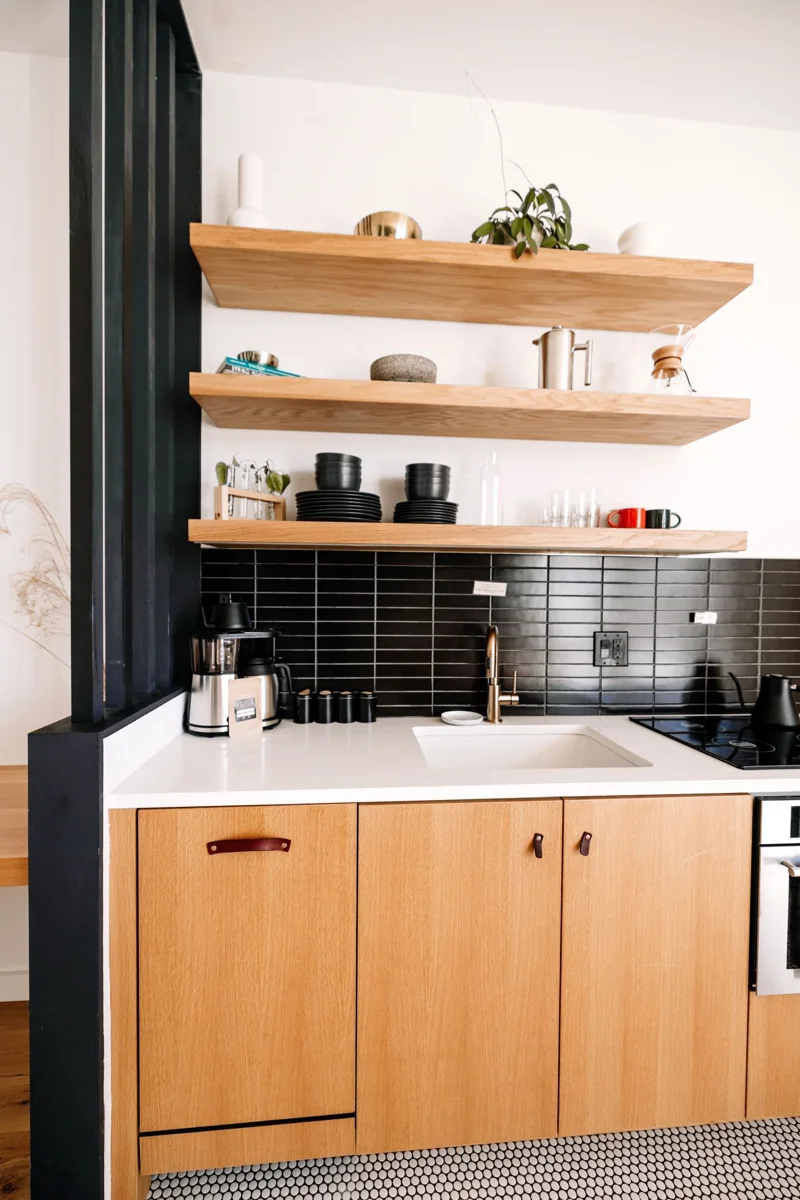
Fixed improvements paid for by a tenant do not automatically follow the same insurance arrangement as the original fitted kitchen.
Renting, sharing, moving and staying somewhere temporarily.
Fixed improvements paid for by a tenant do not automatically follow the same insurance arrangement as the original fitted kitchen.
An upgraded kitchen in an owned apartment raises the relationship between individual improvements and the association's building policy.
A collective building policy and personal contents insurance answer different questions behind the same apartment door.
Sharing an address does not establish who owns each item or who belongs to the same insured household.
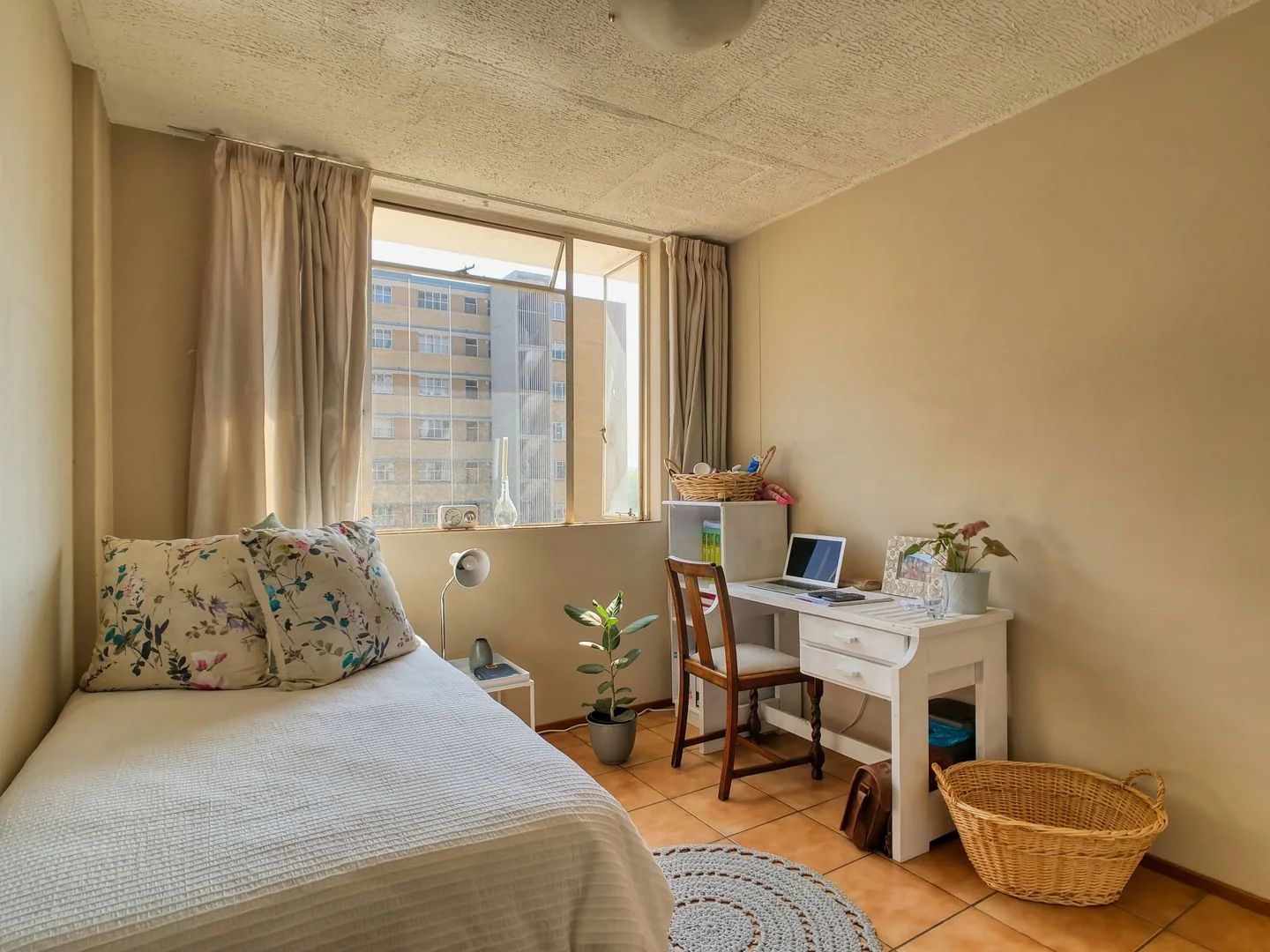
A private room, shared kitchen and communal bicycle area raise separate questions about ownership and location.
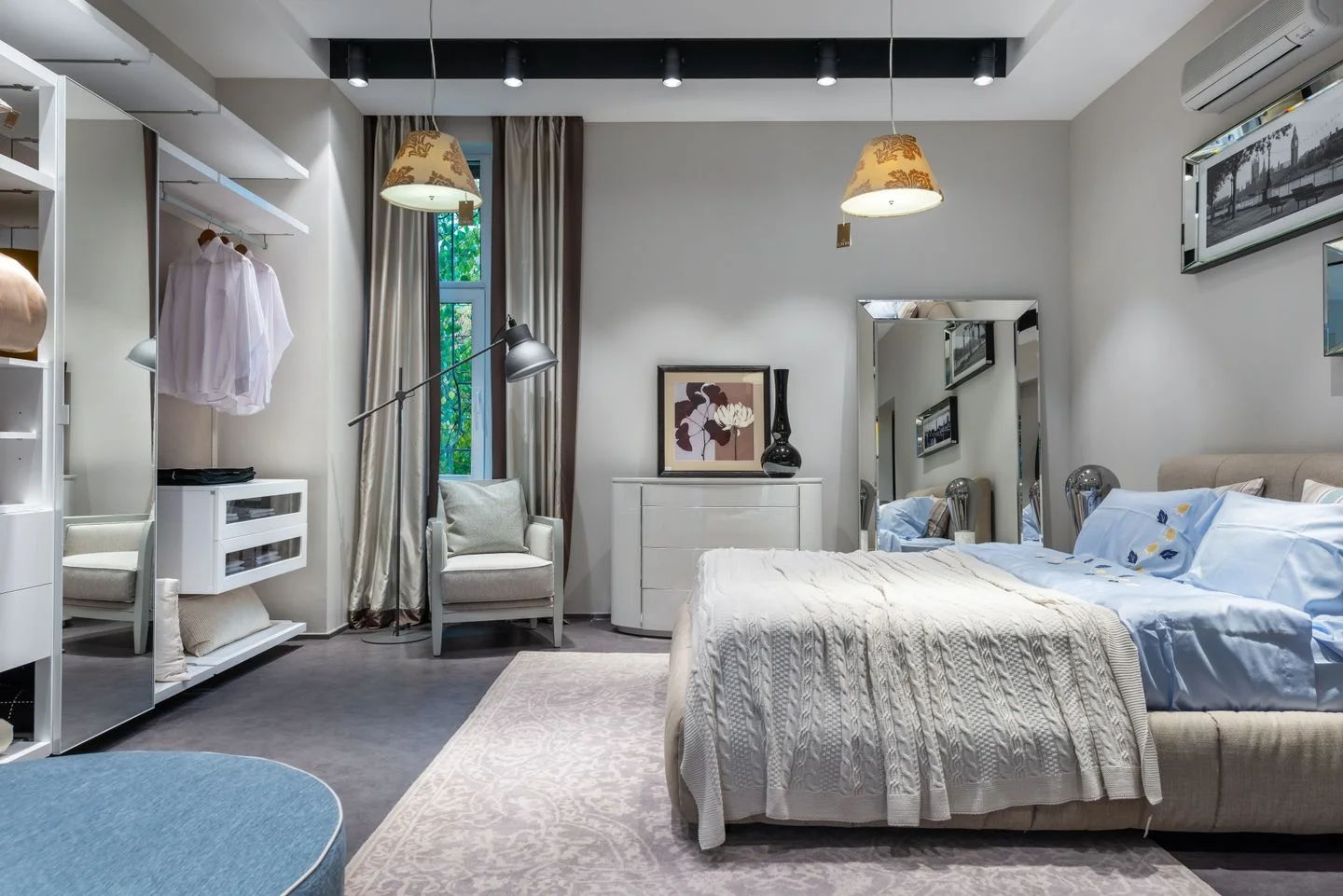
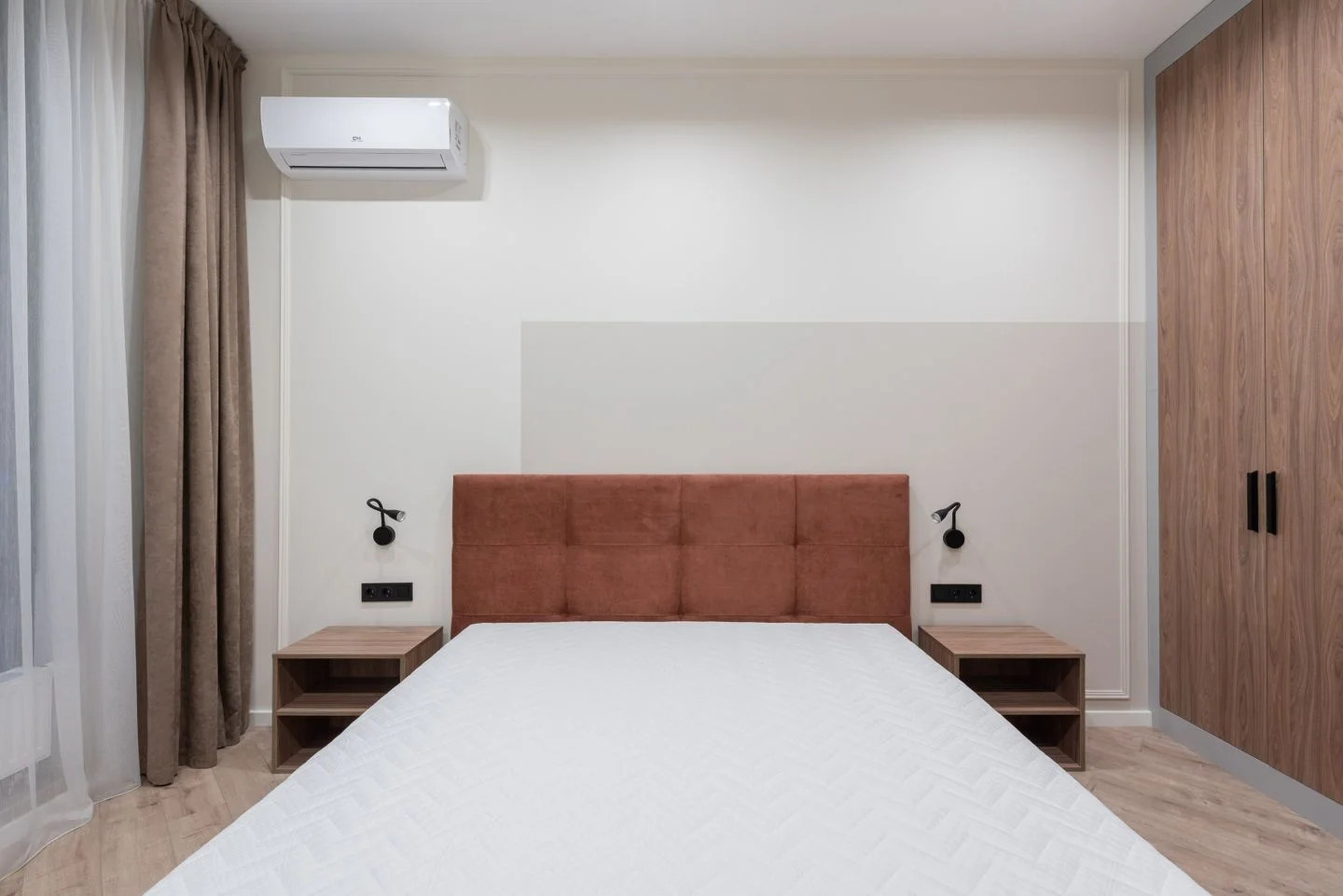
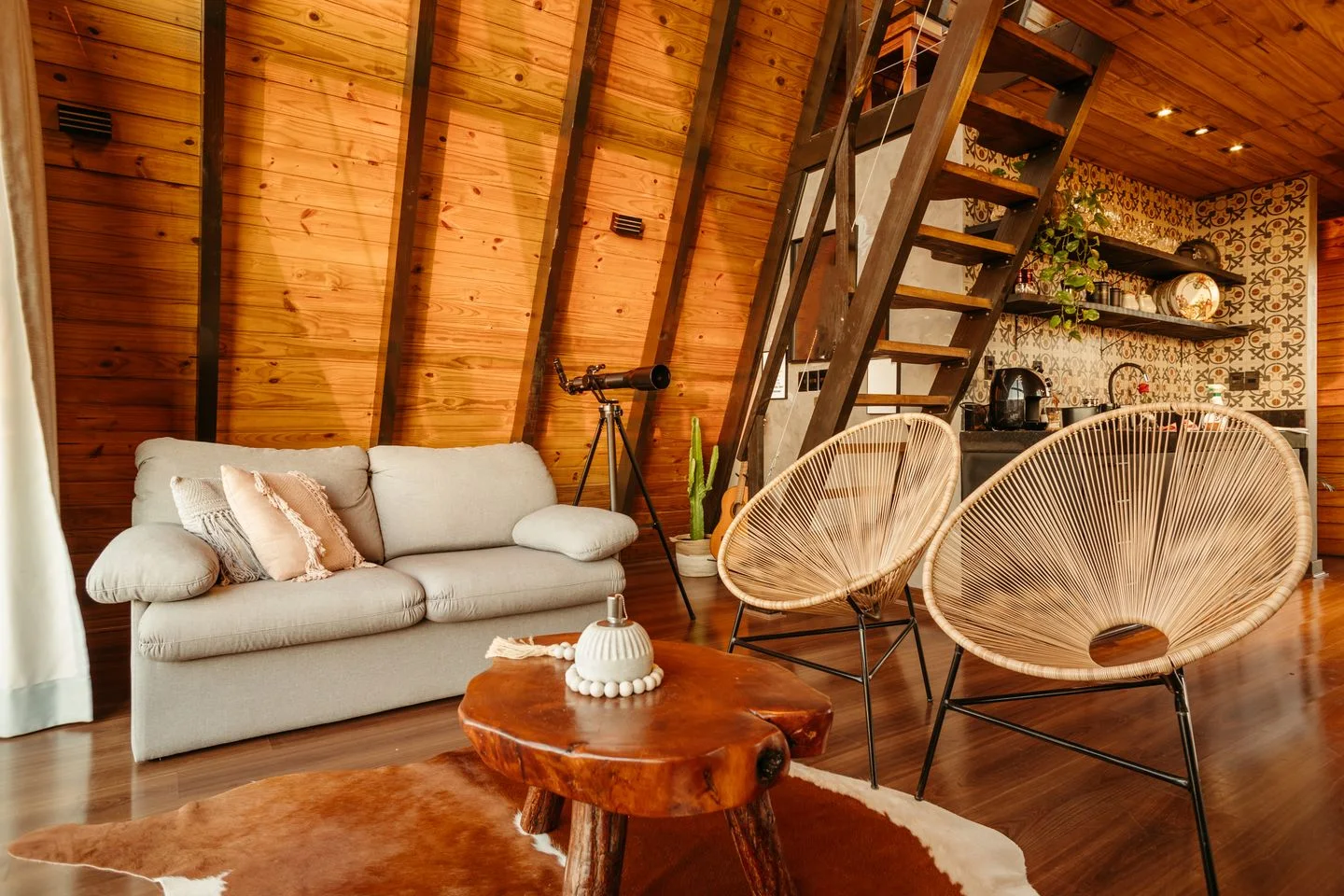
A furnished rental often contains belongings owned by both tenant and landlord; a handover inventory makes the distinction visible.
When letting a room, the resident owner's possessions, the tenant's belongings and shared spaces remain separate subjects.
Combining two established households requires more than adding together two old inventories.
When a household separates, keep ownership, physical location and moving dates distinct.
A child may still belong to the family while belongings kept at another address raise a separate contents question.
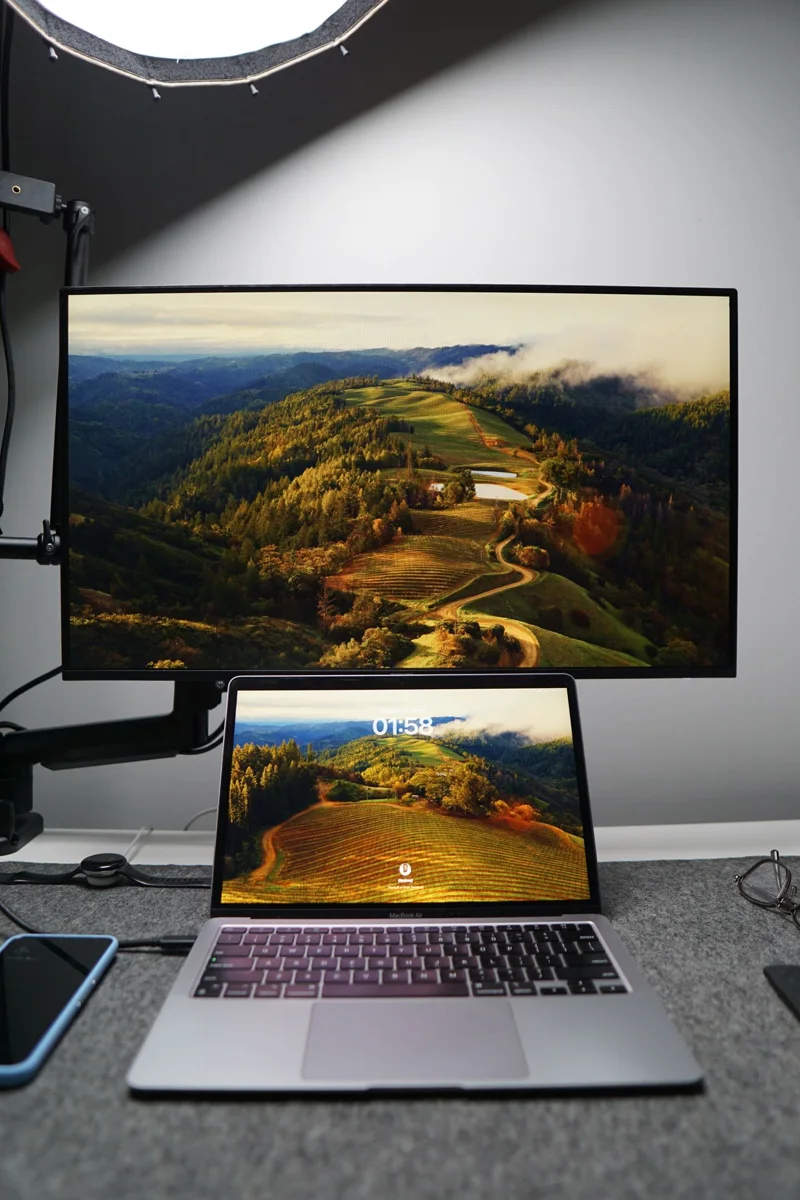
For a home workstation, ownership of the laptop, monitor and chair matters alongside the room where they are kept.
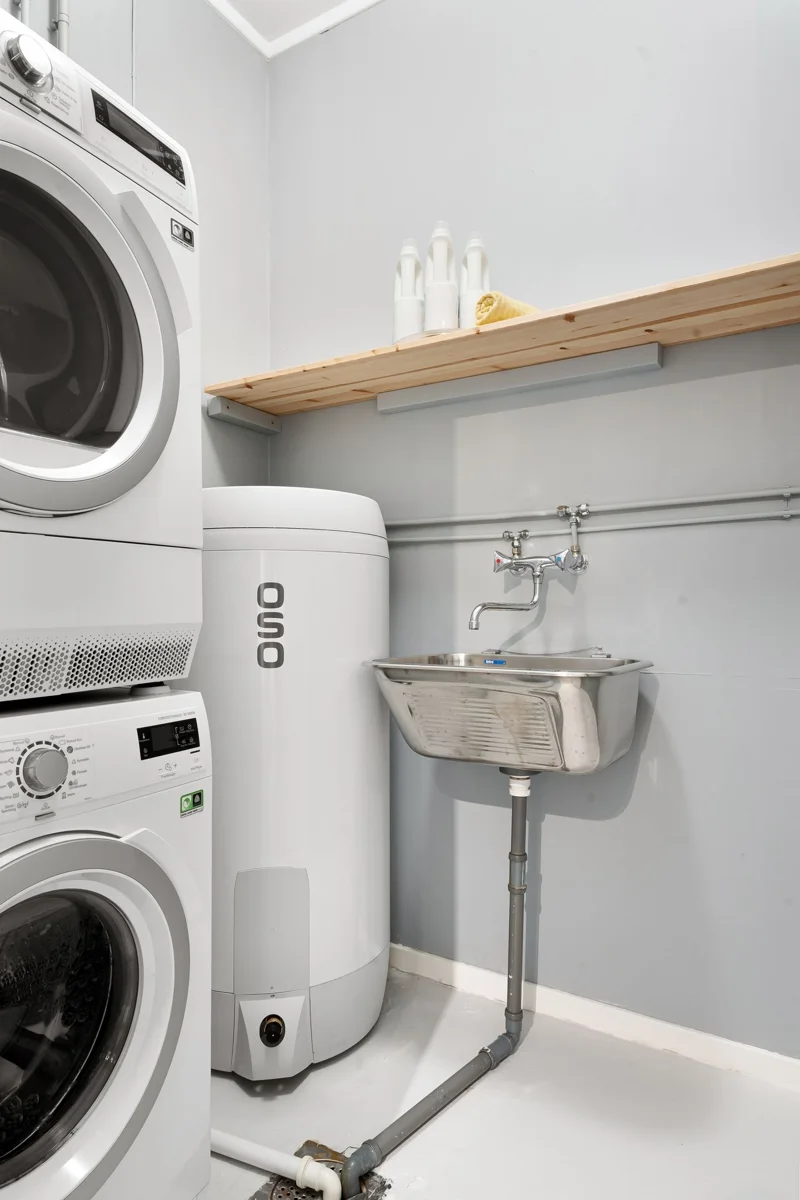
A washer in a communal laundry can remain personally owned, while the room itself needs a separate location check.
With a hired household appliance, the rental agreement, ownership and possible insurance cover run alongside one another.
For floor coverings, material, installation method and relationship to the building are separate starting points.
Curtains, roller blinds and fitted shutters may dress the same windows while needing different descriptions.
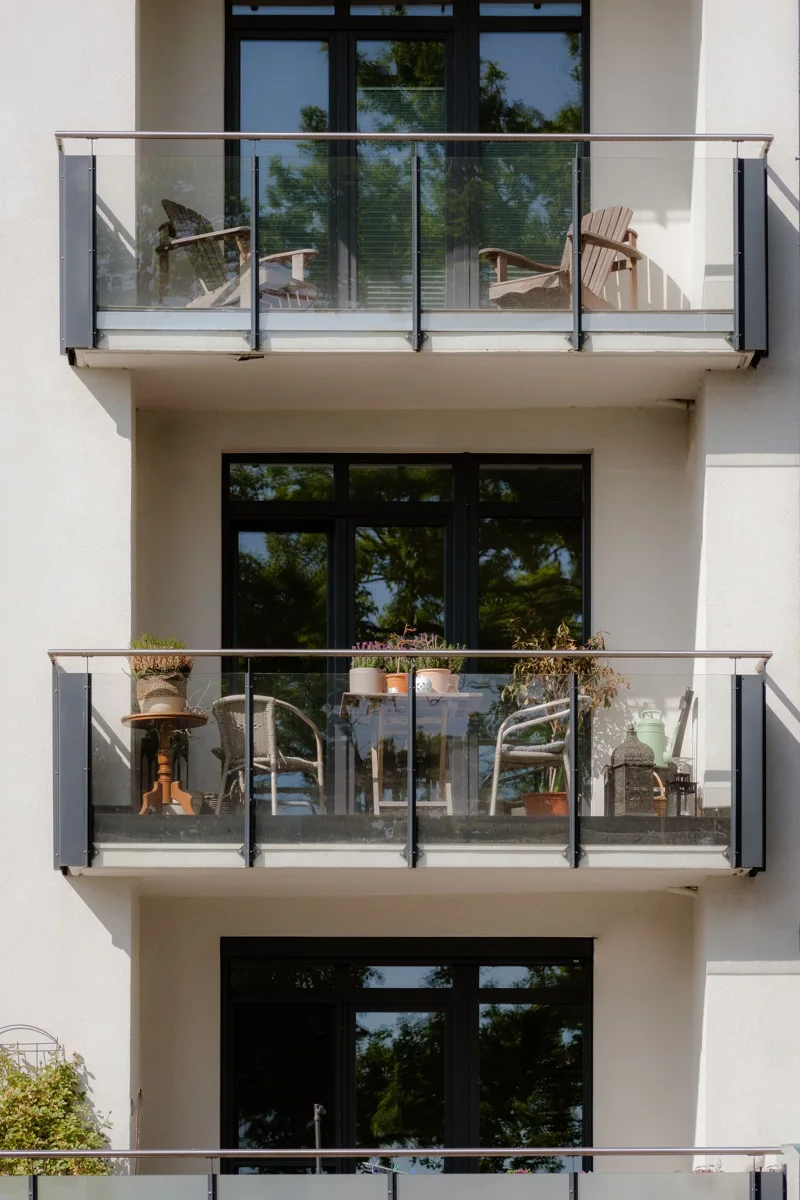
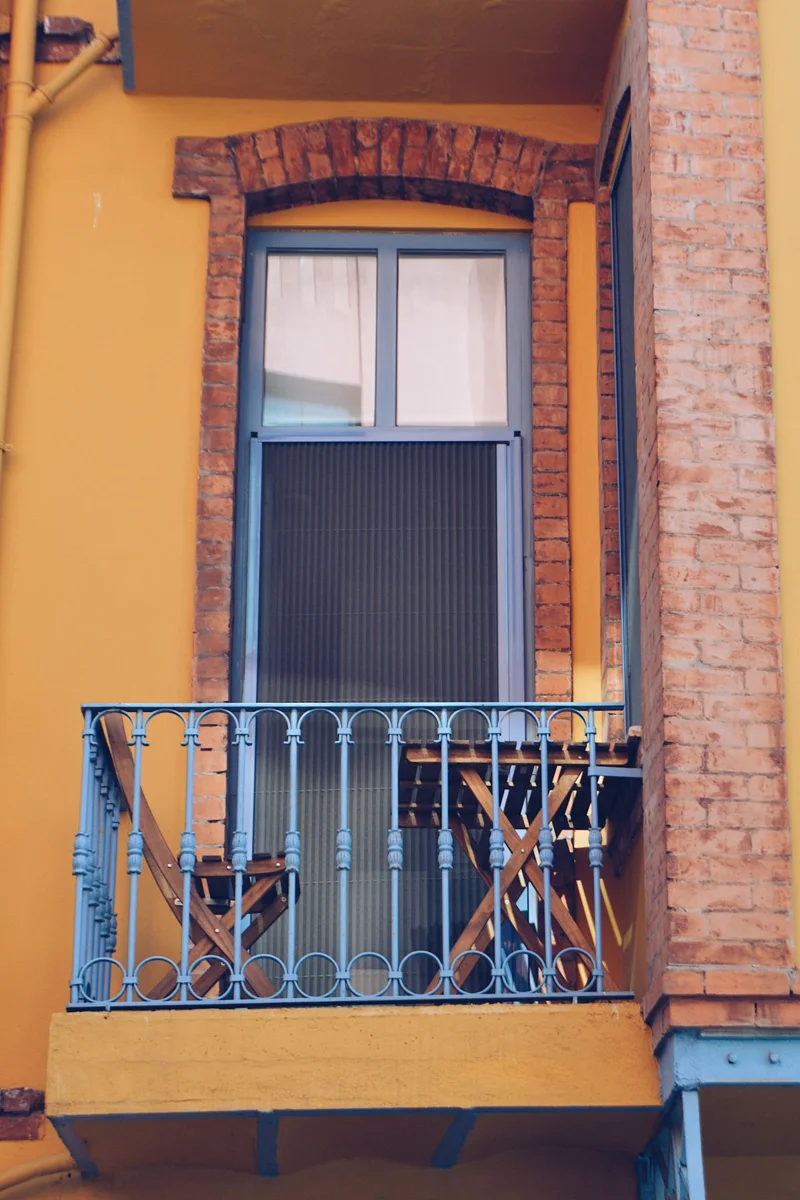
A balcony is part of everyday home life, but belongings and fixed balcony structures raise different insurance questions.
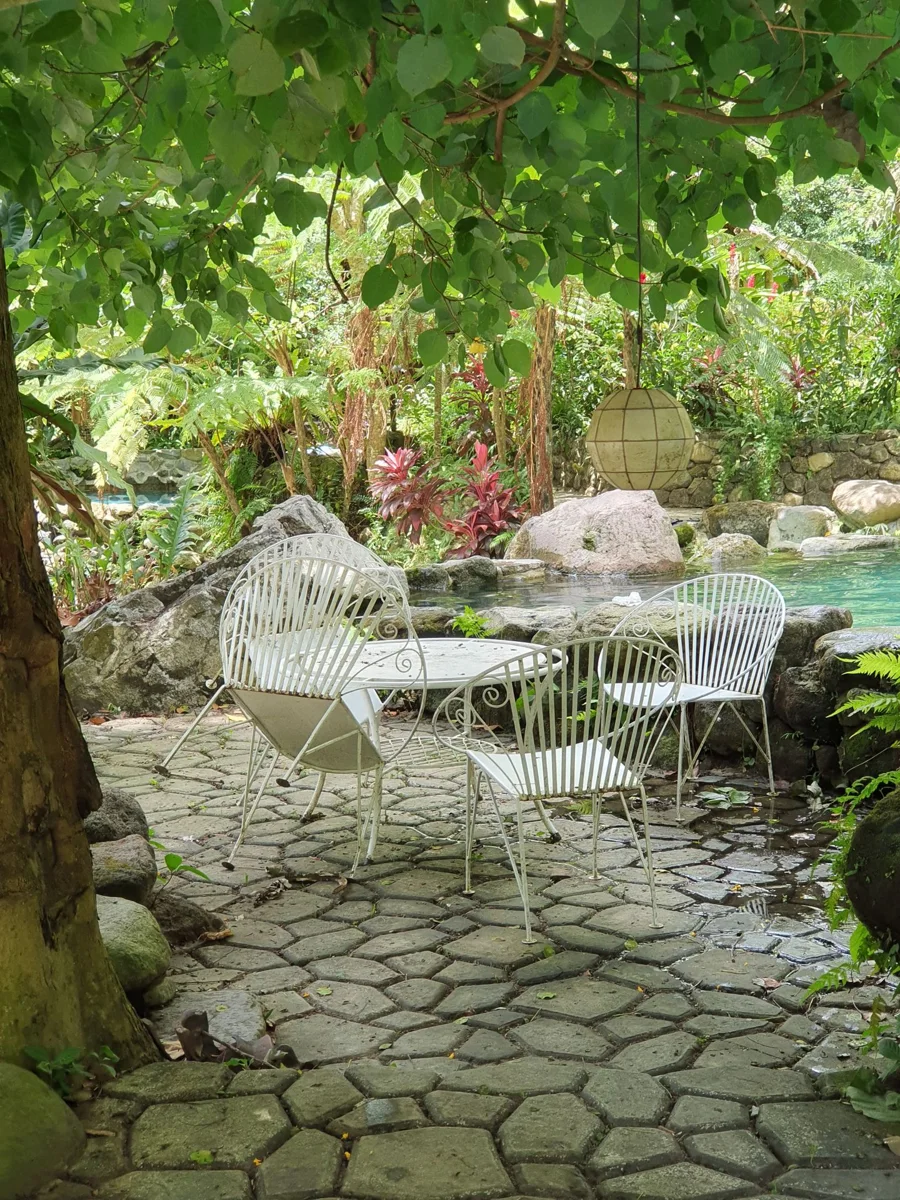
A garden contains movable belongings, fixed structures and plants; they do not need one combined insurance classification.
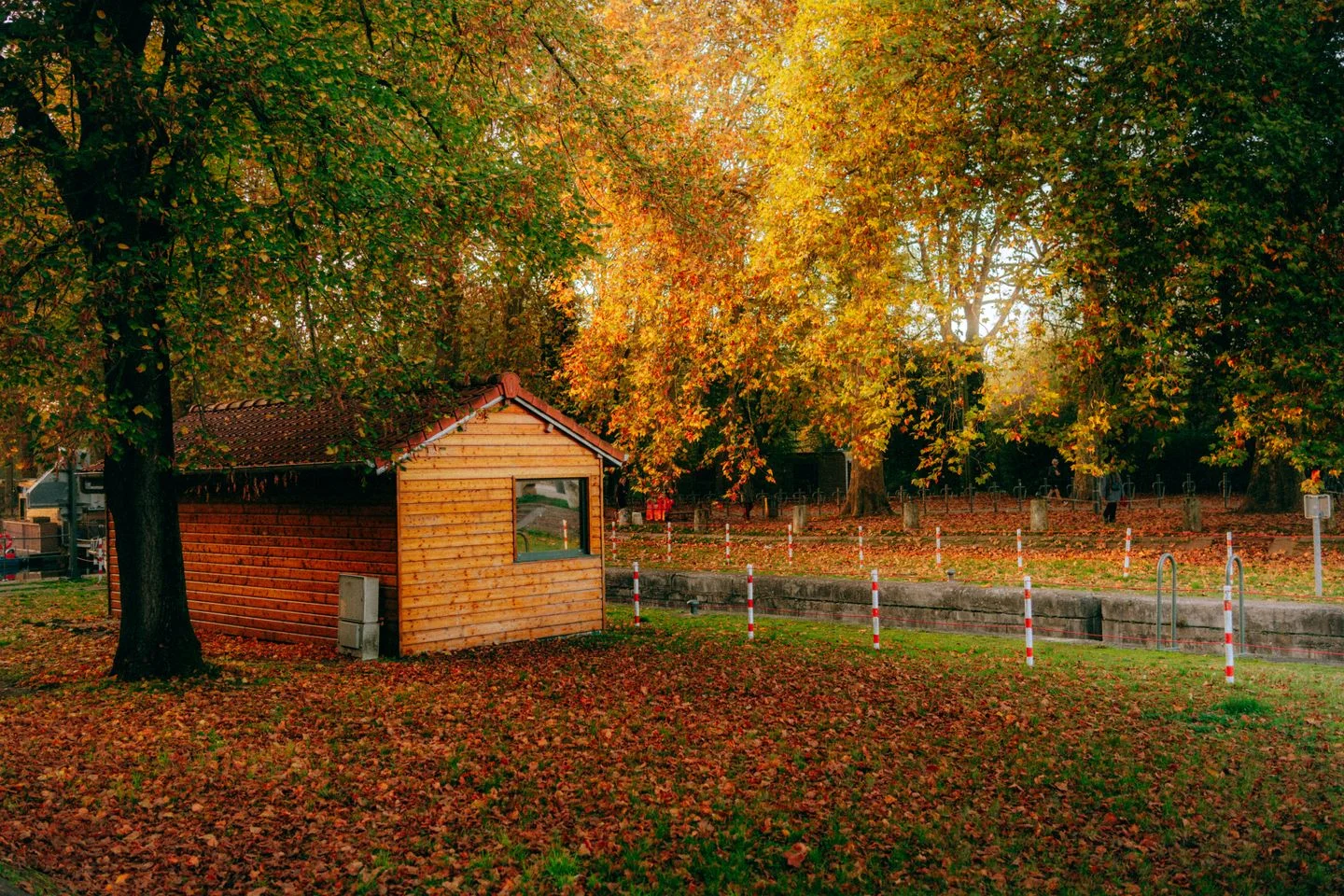
For possessions in a shed, first establish which shed is meant and how it relates to the insured home.
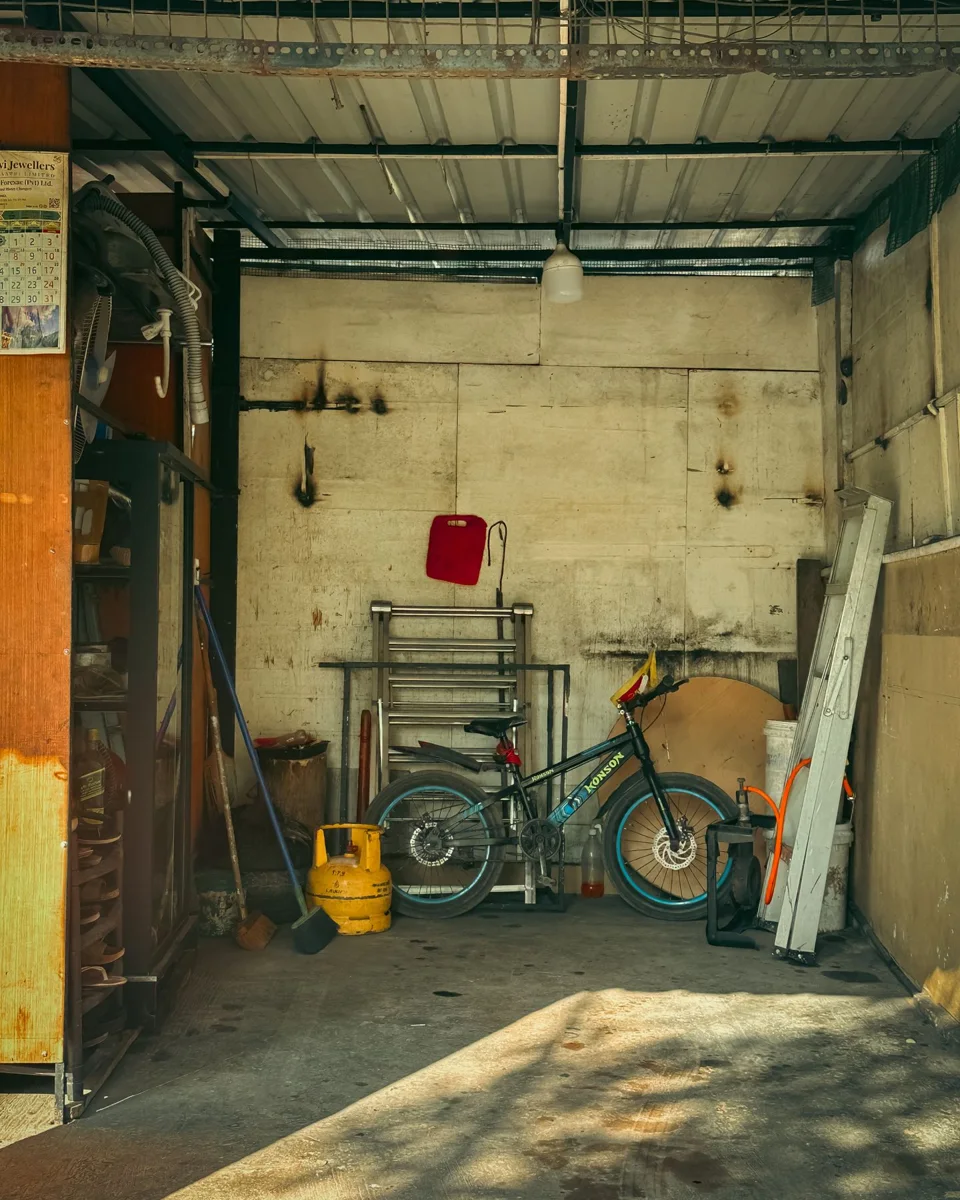
A garage beside the home and a garage unit elsewhere can serve the same purpose while raising different policy questions.
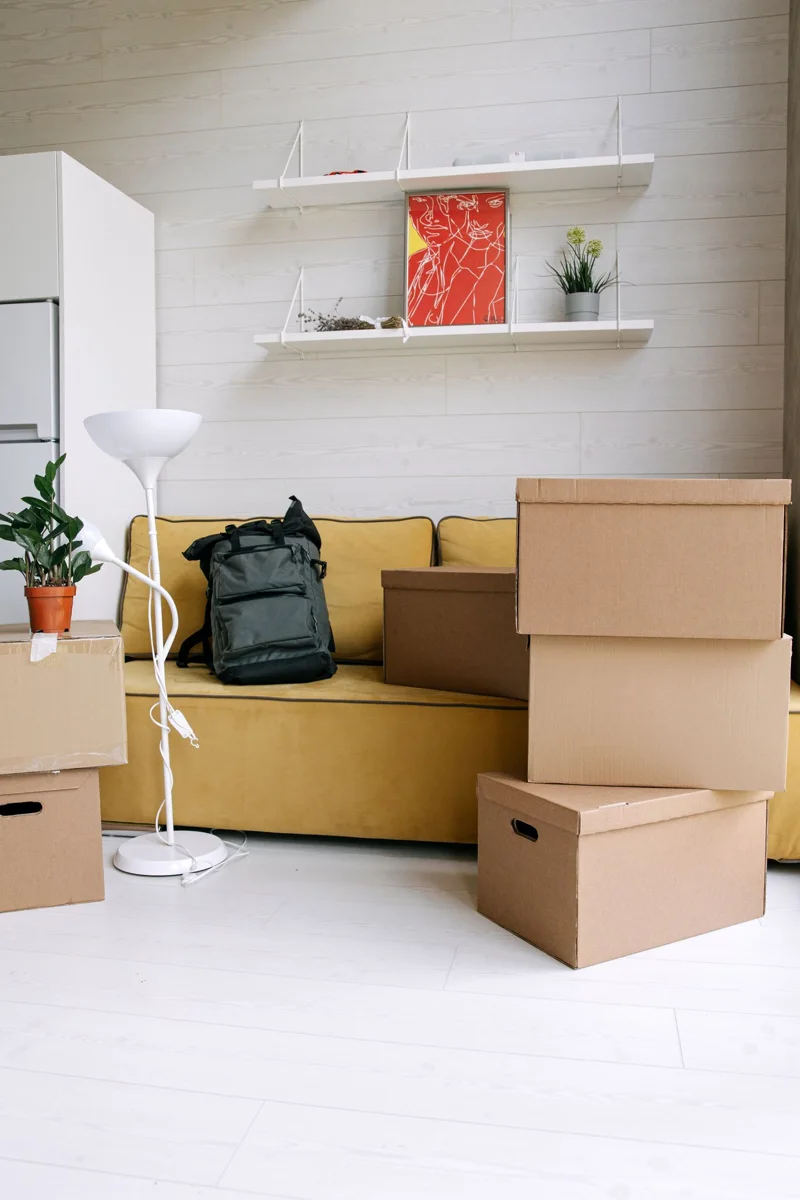
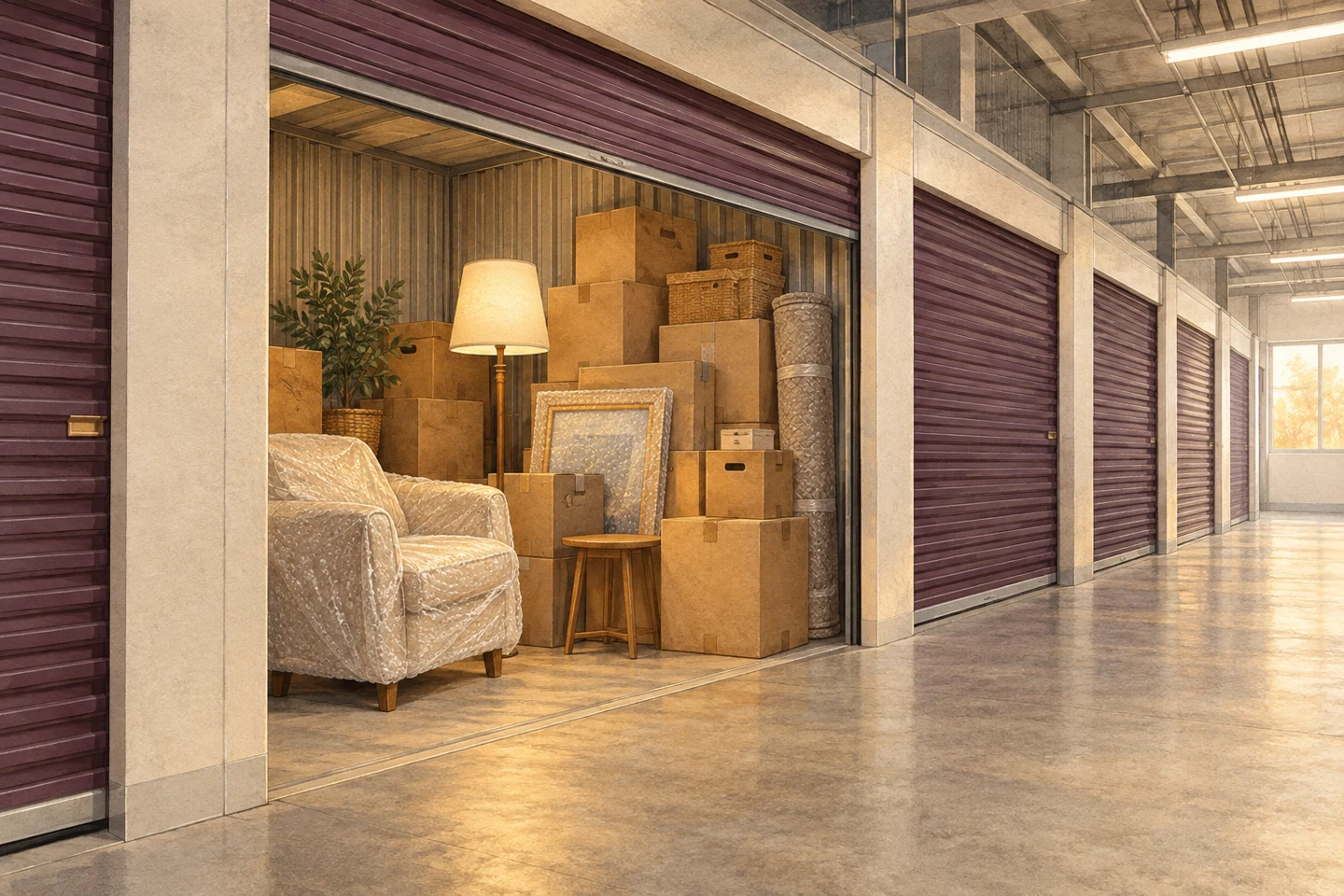
For external storage, assess the address, type of space, duration and contents together; a home policy does not automatically travel with the boxes.
A second home contains its own belongings at another address; the main residence does not automatically provide the insurance framework.
Remaining at home during renovation does not fully describe how rooms, access points and stored belongings are being used.
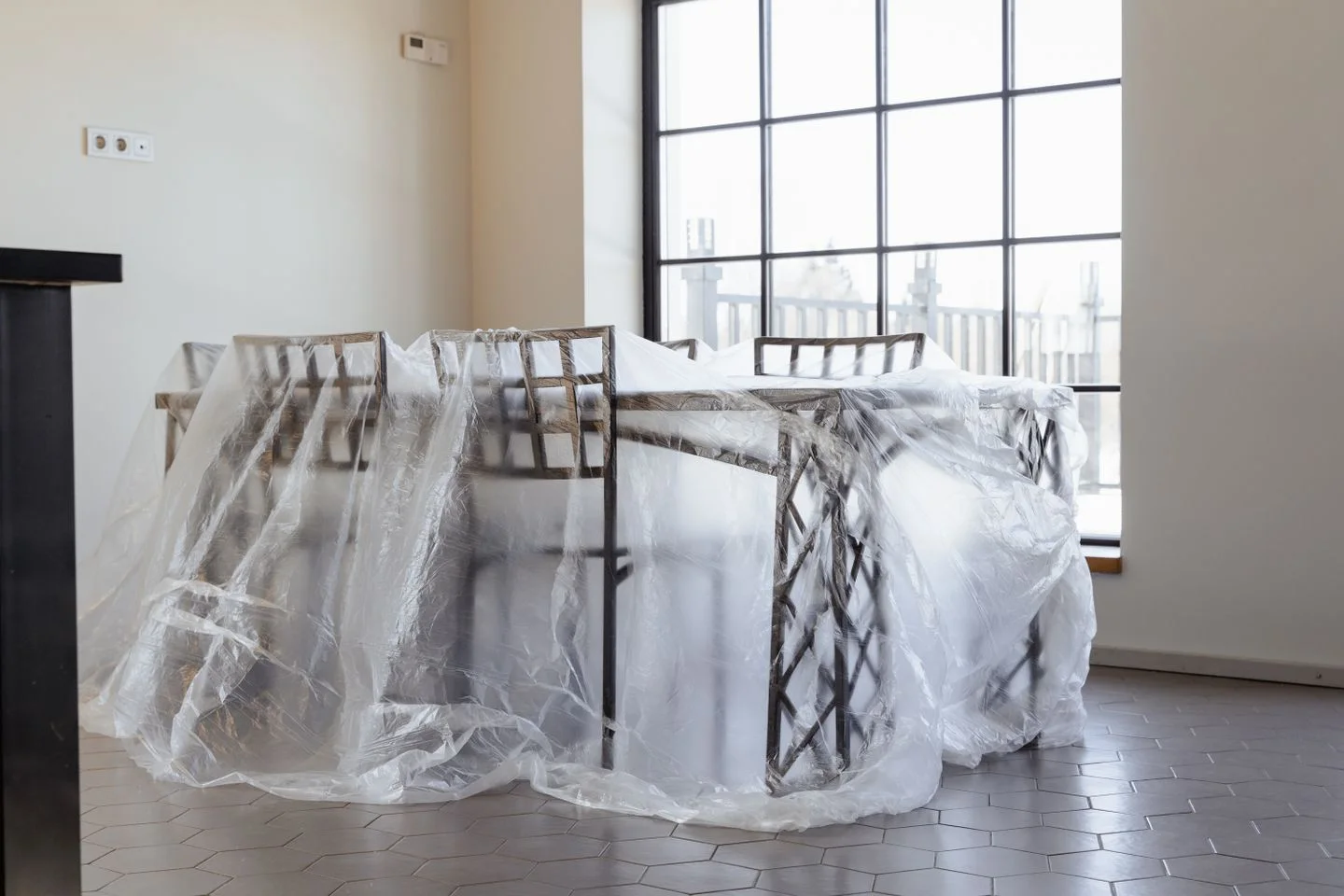
A home can remain fully furnished while temporarily unoccupied; empty rooms and absent residents describe different features.
When living and working under one roof, describe the space in terms of the activities and belongings actually present.