Recording your belongings
Starting a room-by-room contents record
Organising belongings by room makes a large collection manageable, provided individual objects remain identifiable and supporting records can be found.
Ownership, value and evidence for different possessions.
Organising belongings by room makes a large collection manageable, provided individual objects remain identifiable and supporting records can be found.
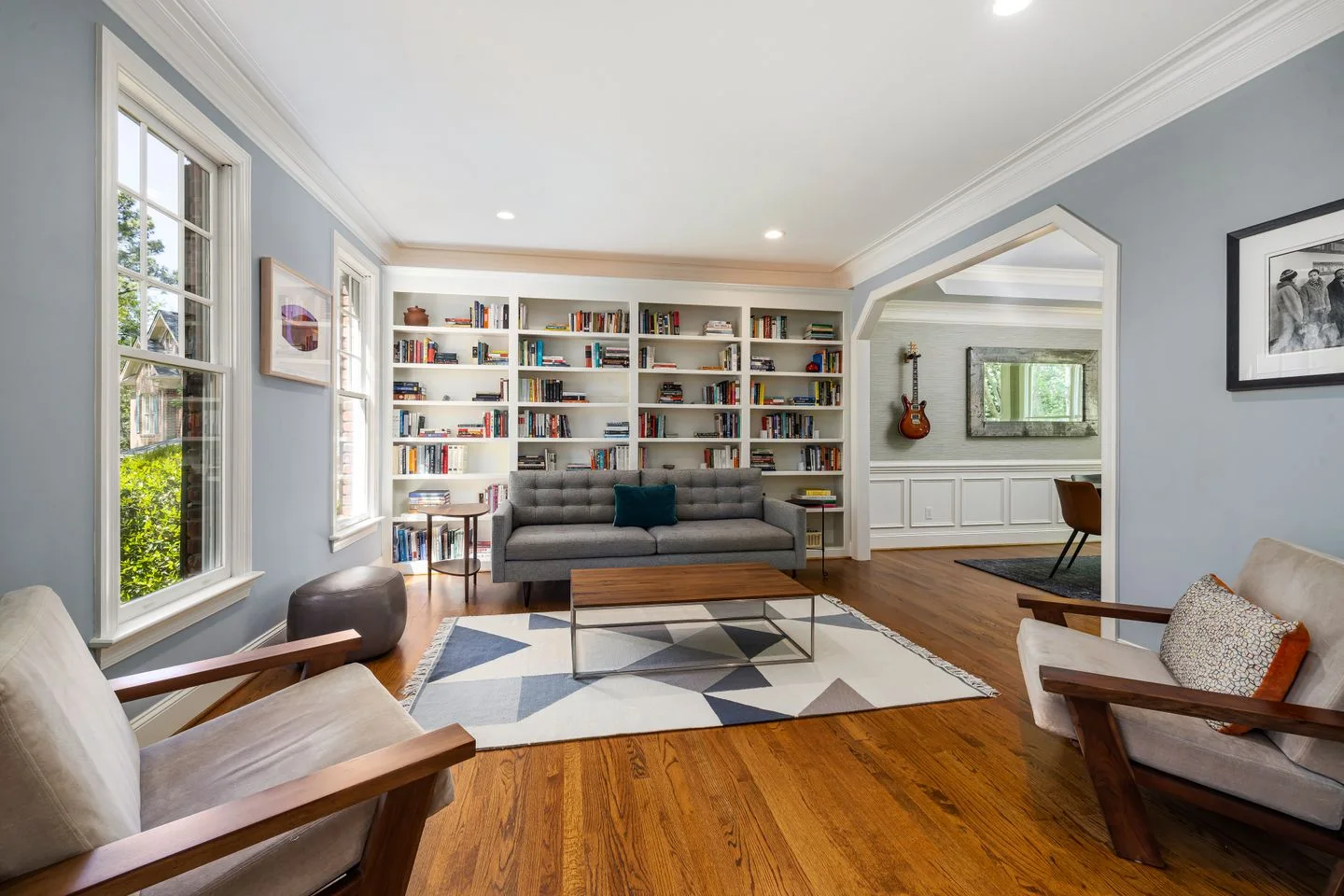
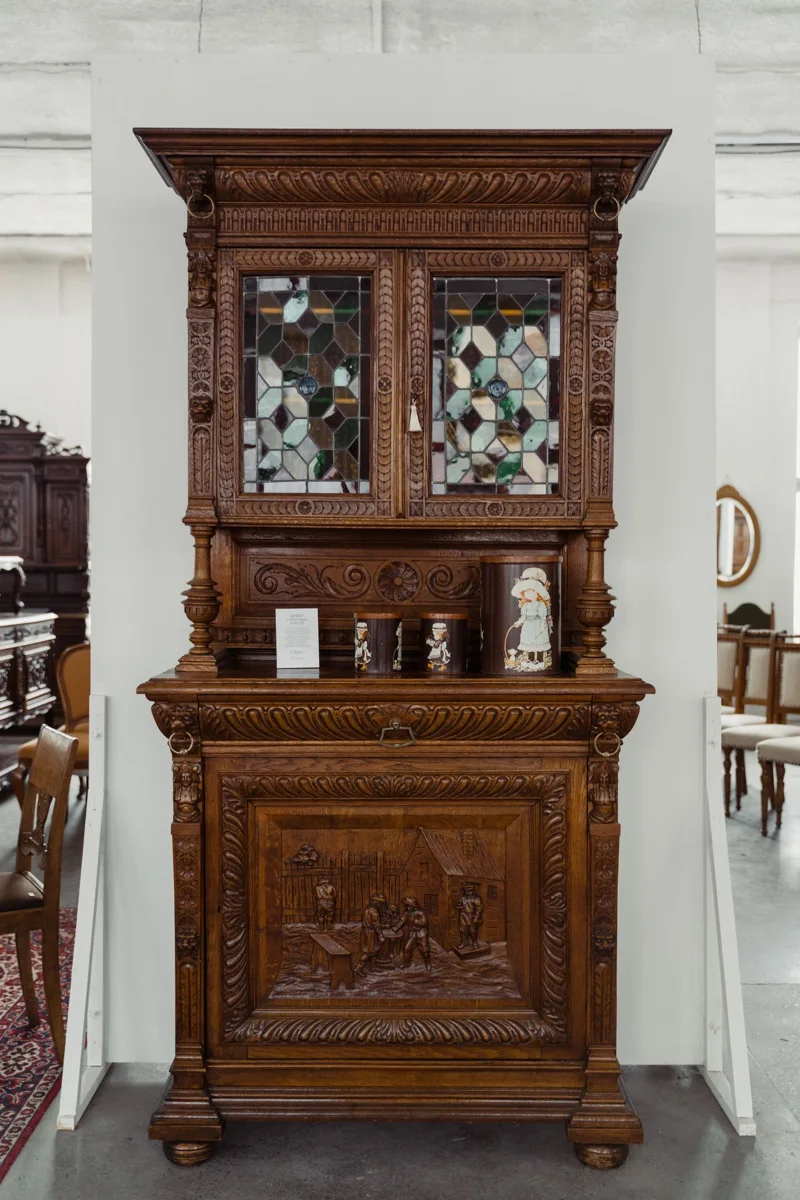
A useful furniture record distinguishes versions, separate components, and the purchase information actually available.
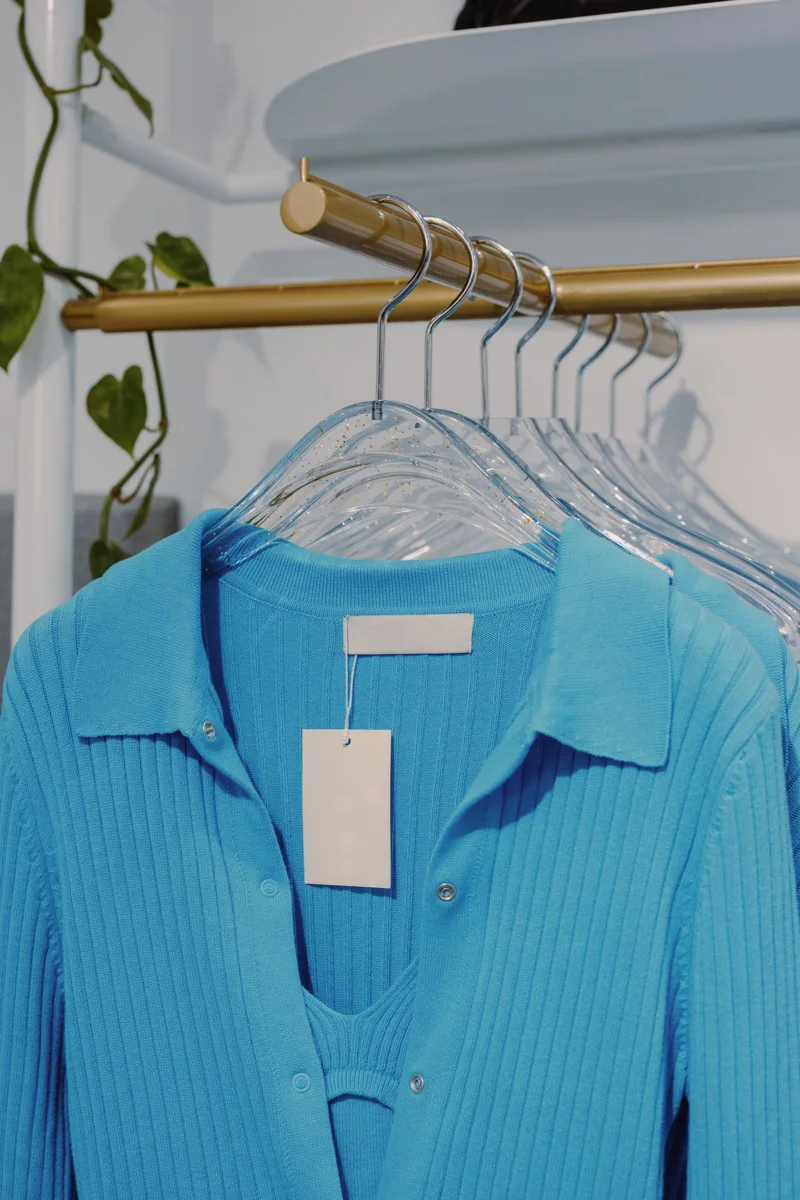
Use checkable groups for clothing and describe distinctive pieces separately, so a full wardrobe does not become one unexplained collection entry.
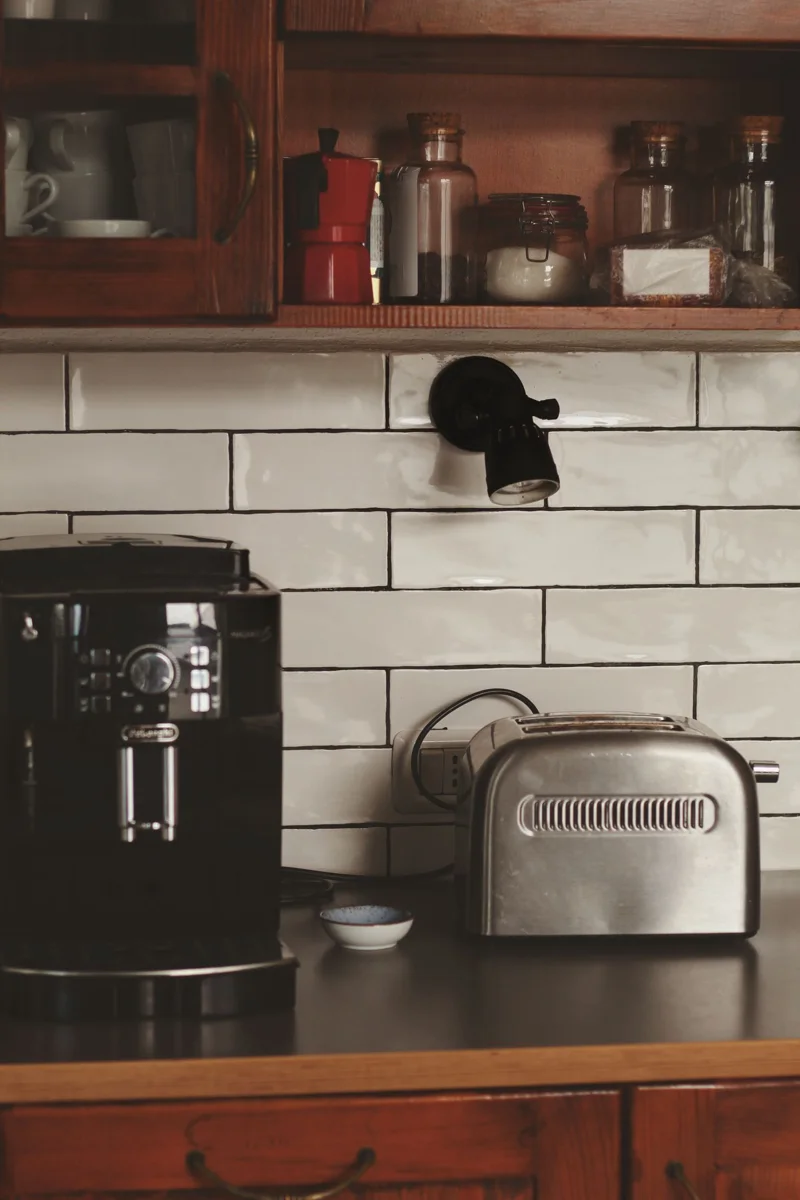
A kitchen record is clearer when portable appliances, cookware, and fixed components are not combined without distinction.
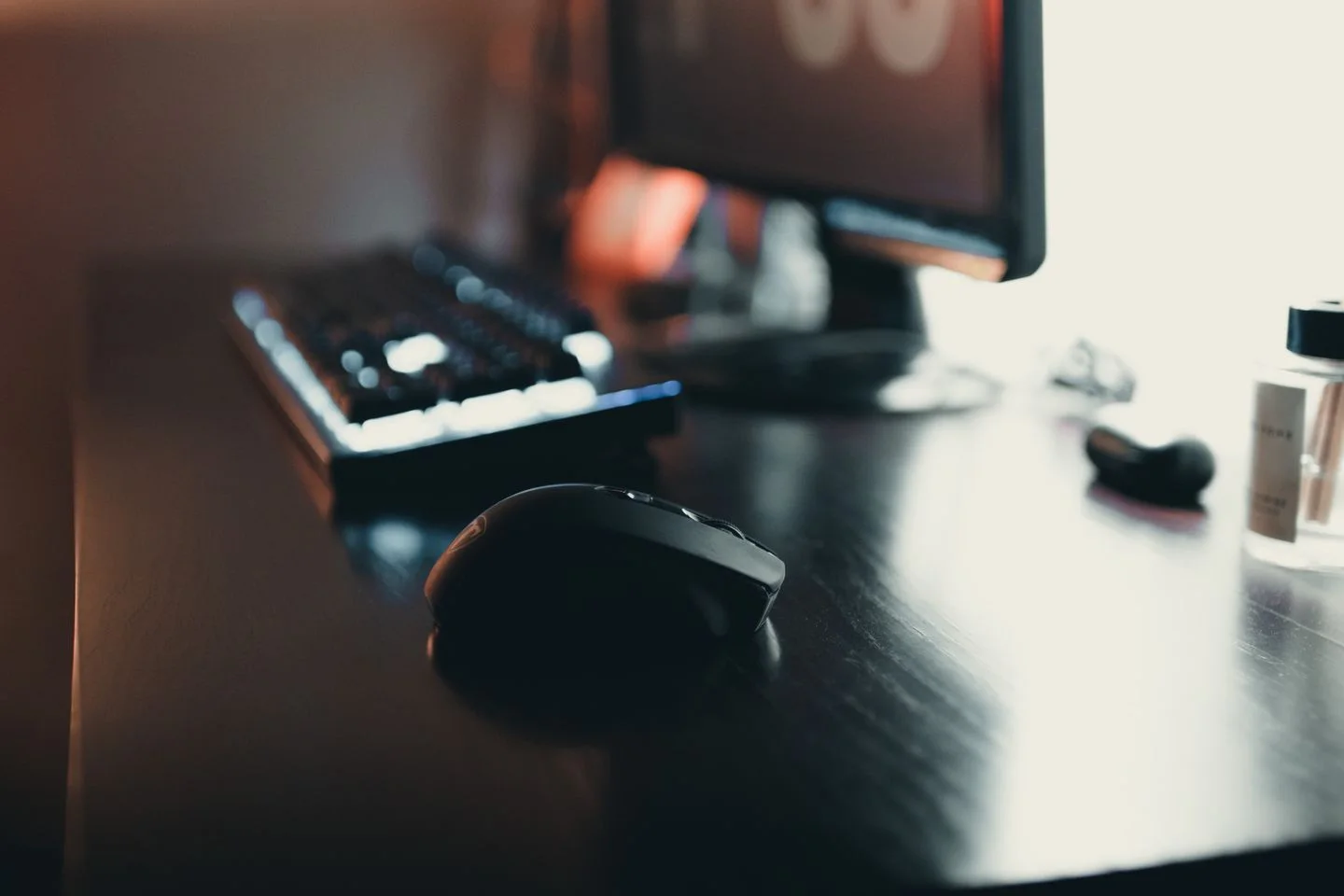
Record a computer setup as separate objects with clear links, so screens, peripherals, and replacements do not disappear into one collective label.
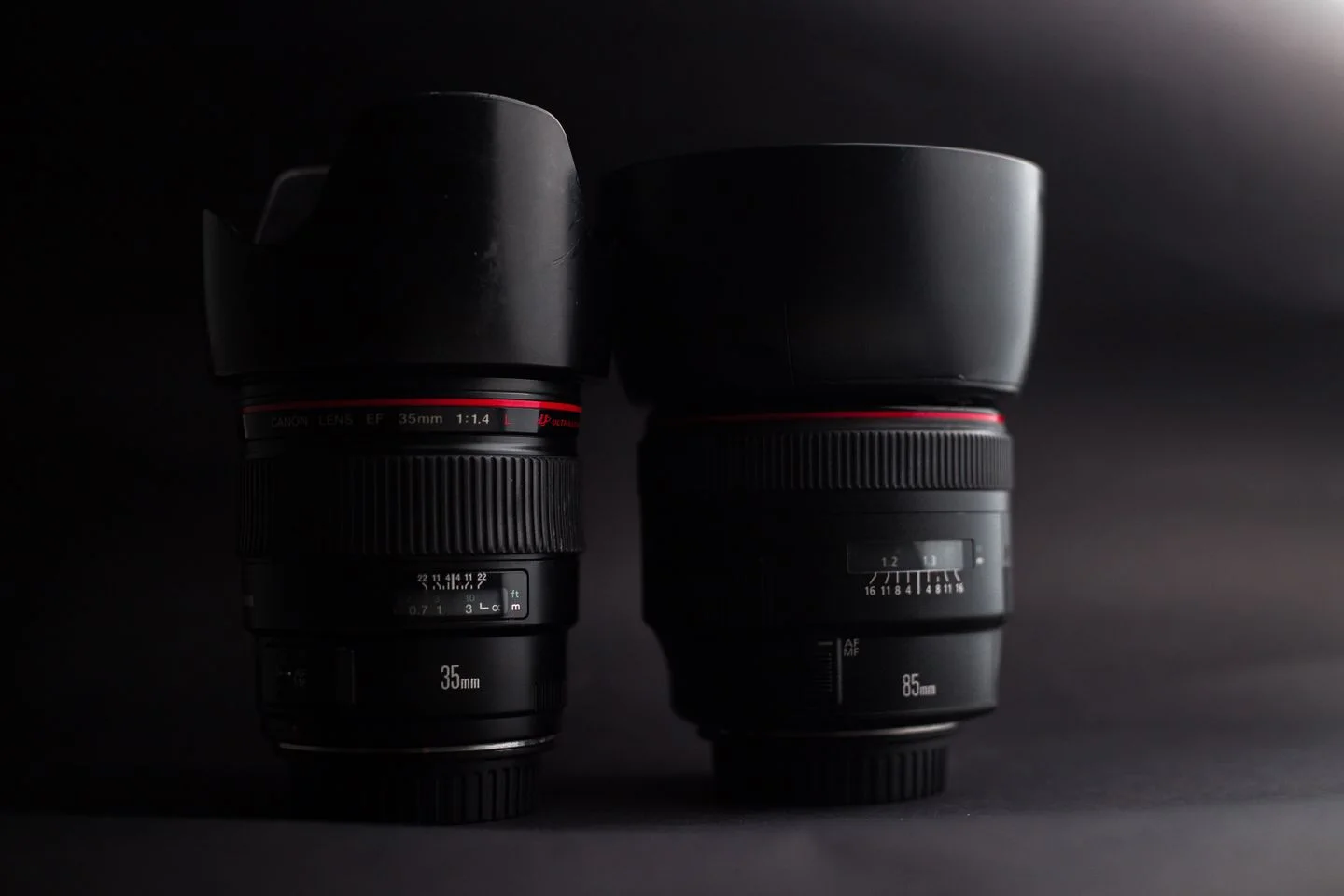
A camera kit is easier to identify when its body, lenses, and accessories are recorded separately and shared purchase documents are linked accurately.
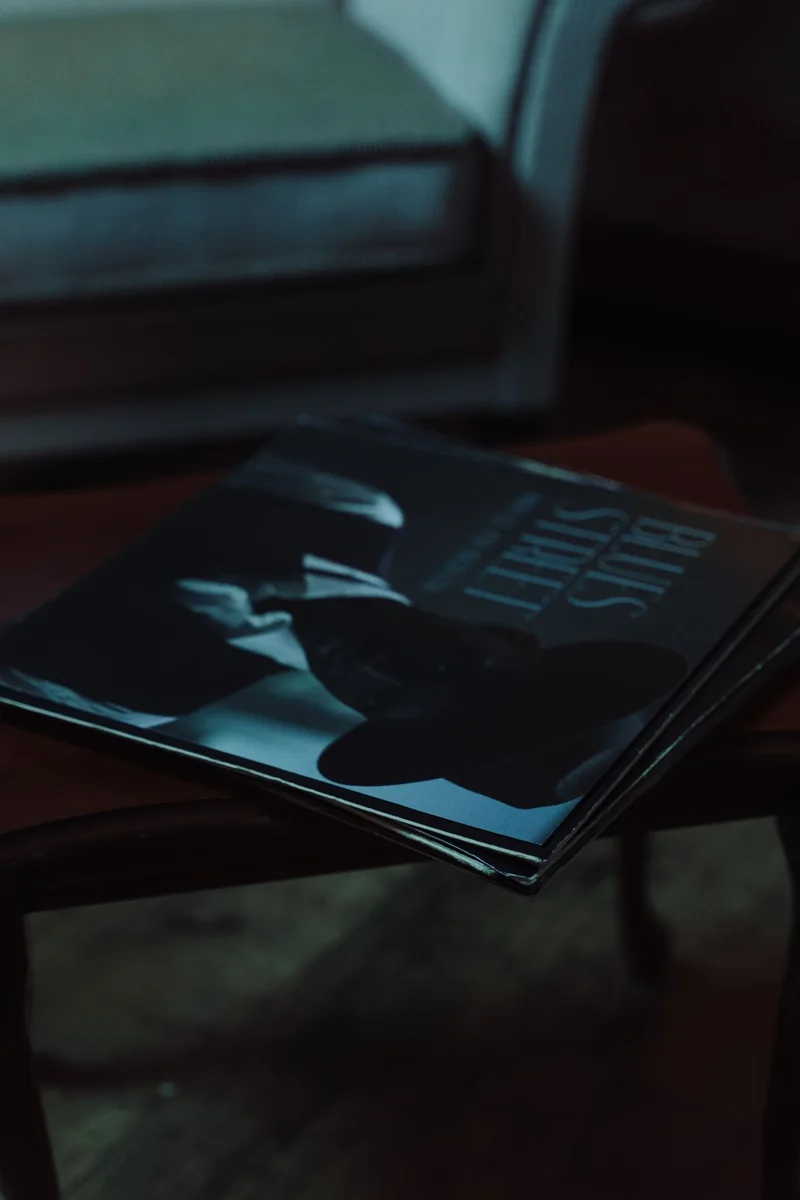
A collection is easier to describe when ordinary groups are separated from individually identifiable editions and the actual contents of sets remain clear.
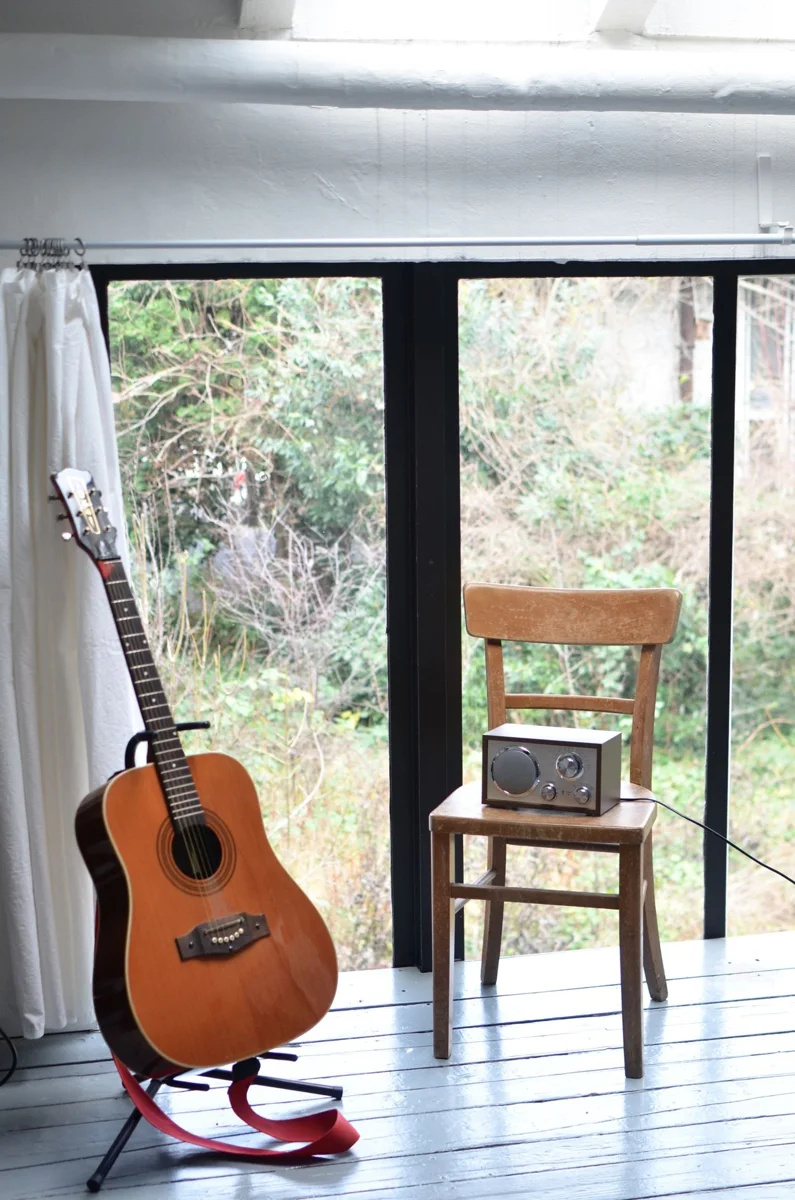
An instrument record connects identifying features with purchase, maintenance, and appraisal documents without turning those records into a self-declared insured value.
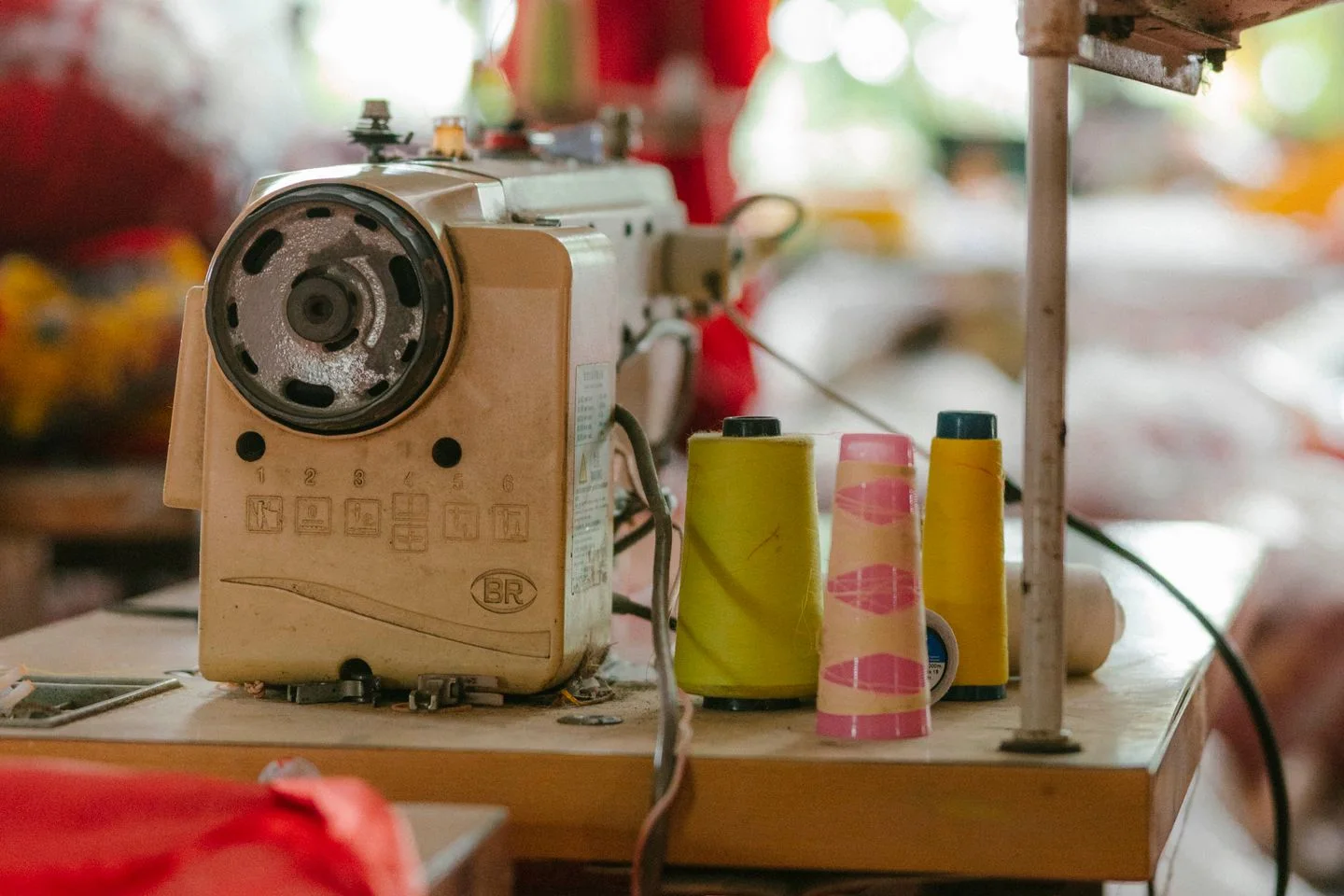
Separate equipment, reusable tools, material supplies, and personal creations so different kinds of belongings do not disappear into one hobby total.
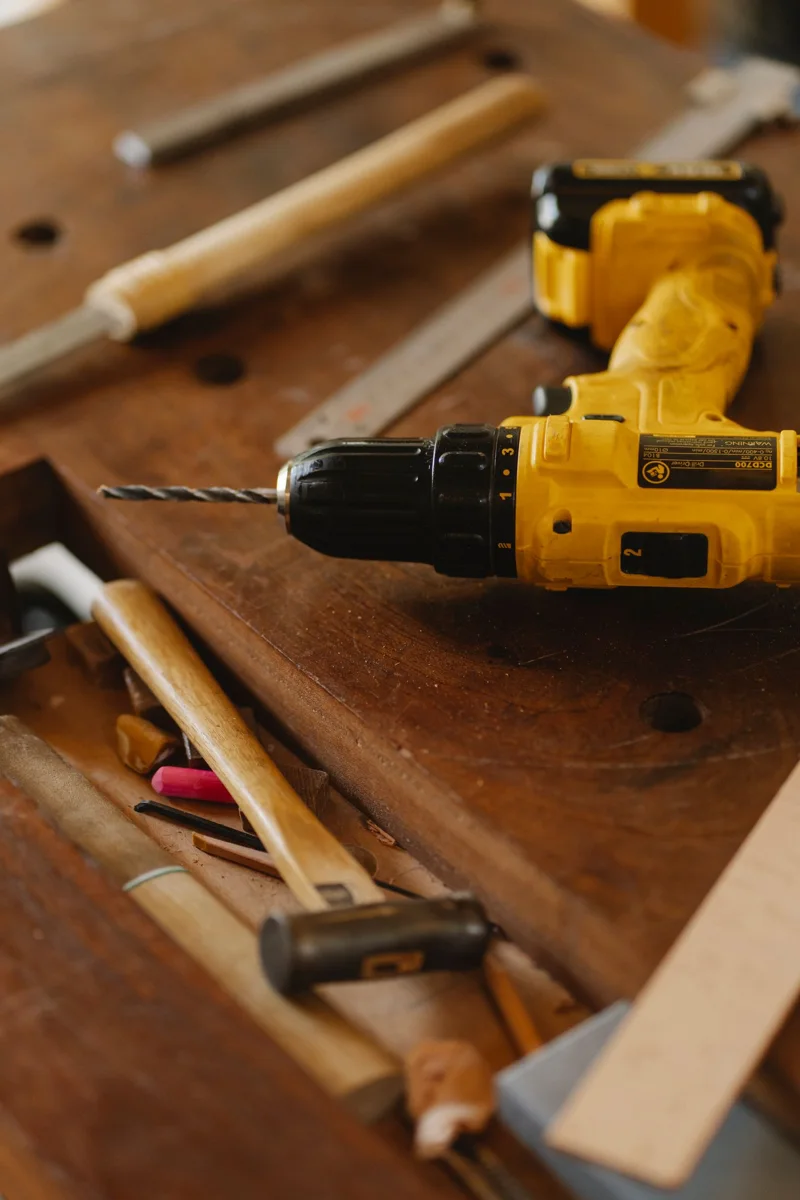
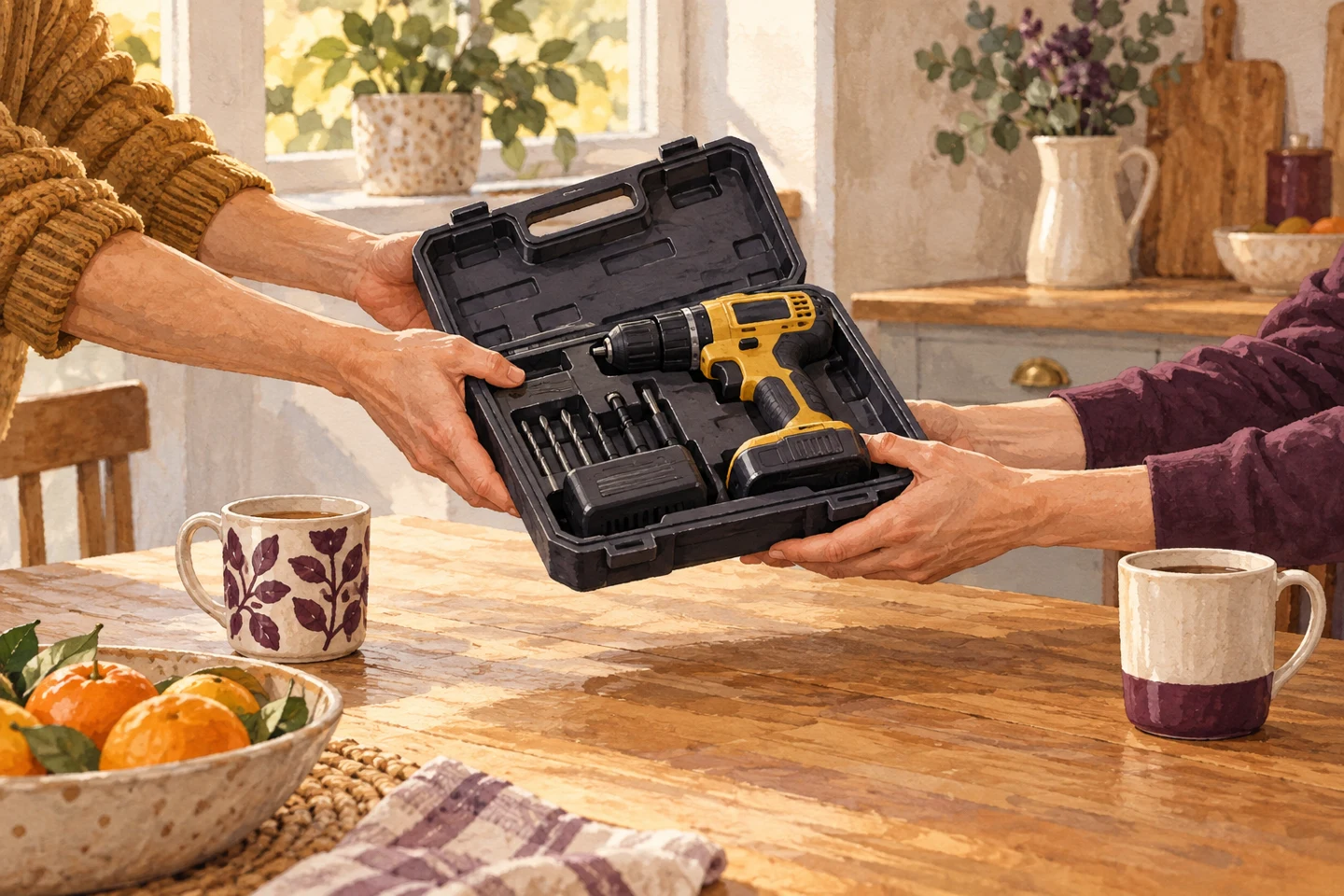
Keep machines, sets, and shared accessories distinct so a toolbox does not become an unexplained total of different purchases.
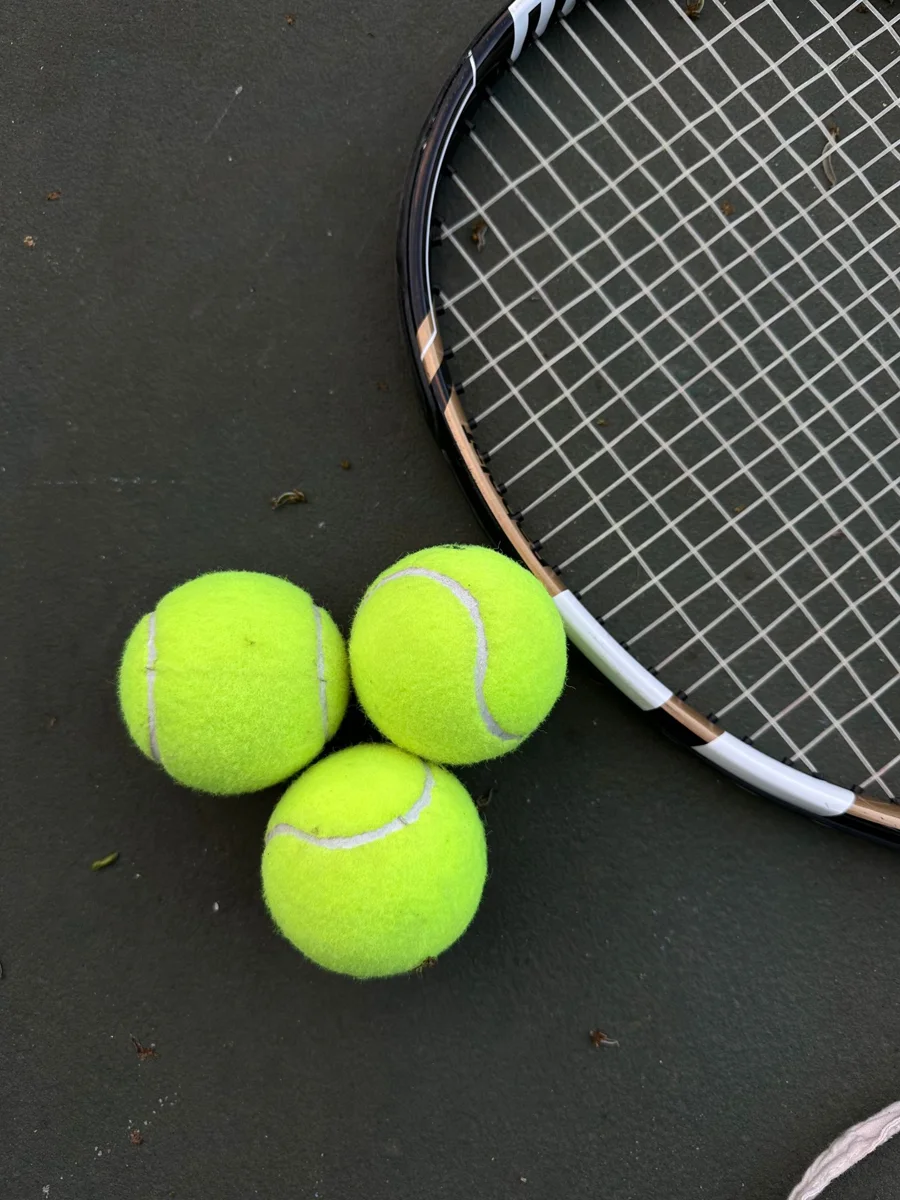
Describe sports belongings as concrete objects with ownership, version, and storage location rather than recording only a sport name and total amount.
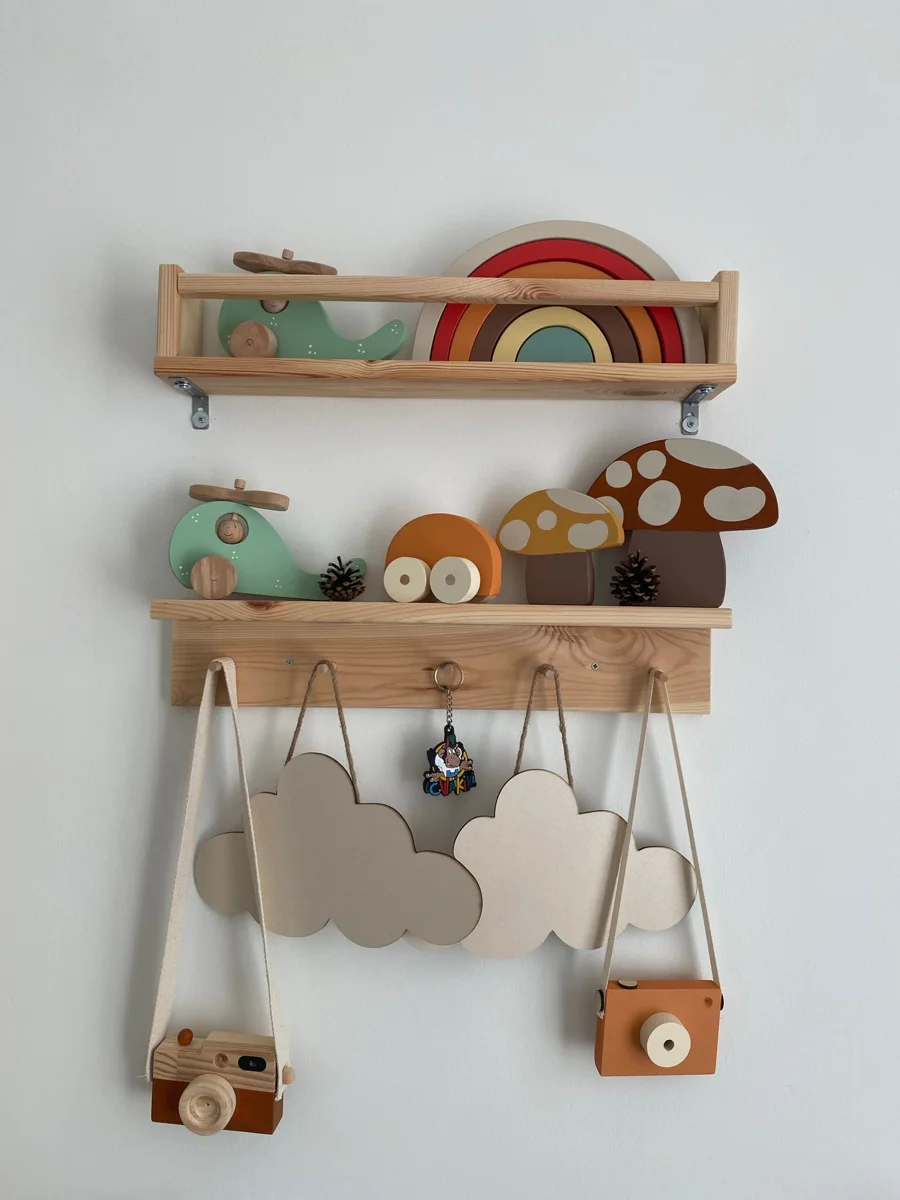
A toy record stays readable when quantities, game versions, and missing parts are clear instead of treating every box as a complete unused set.
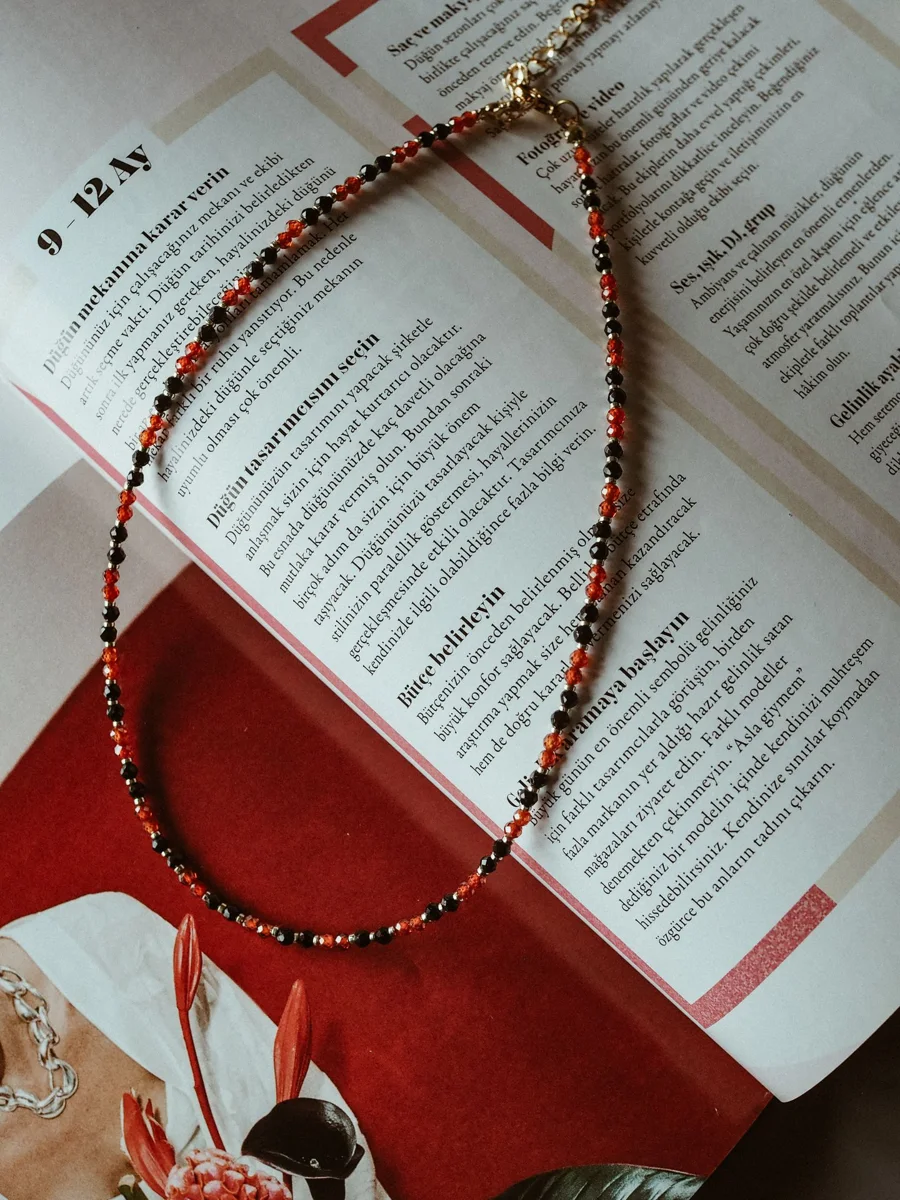
Keep identification of jewellery and watches separate from purchase prices, appraisals, and the conditions under which an insurer assesses value.
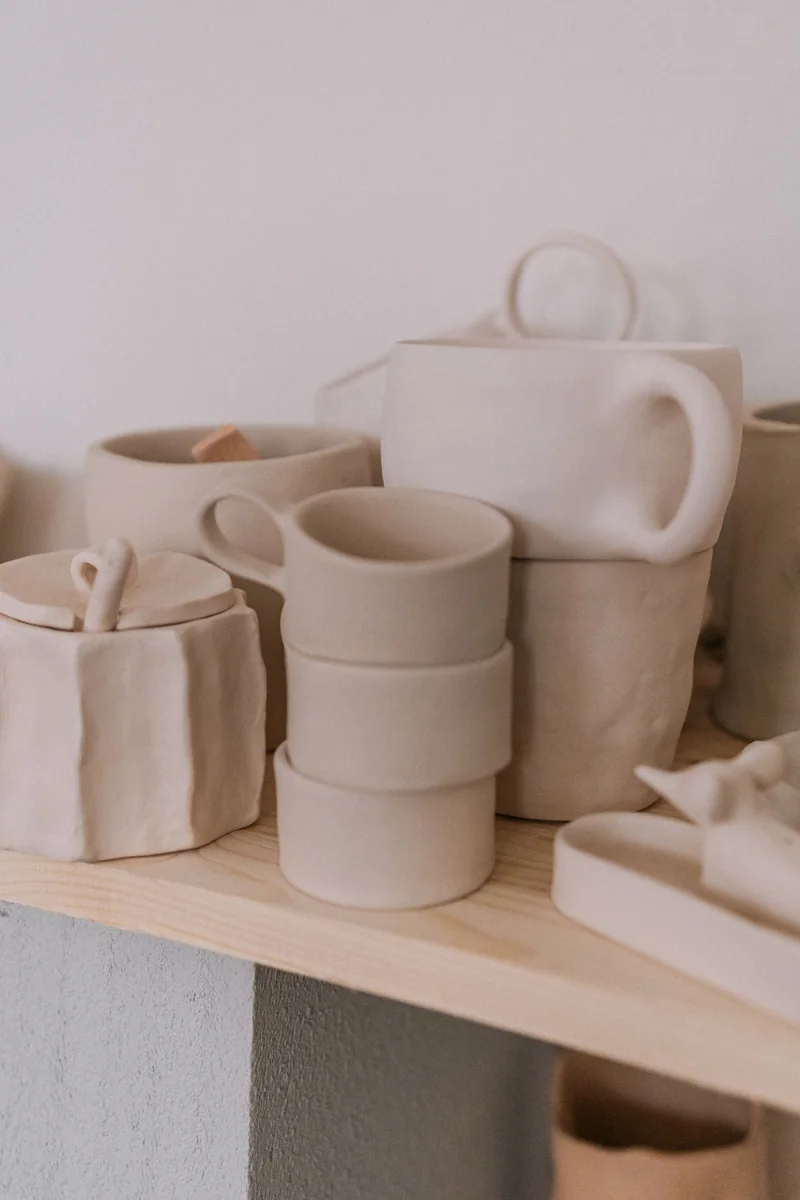
An object record becomes more accurate when visible features, provenance, and expert information remain separate instead of being merged under an unverified name or value.
Without a receipt, you can still describe the object honestly and organise existing origin information without inventing the missing details.
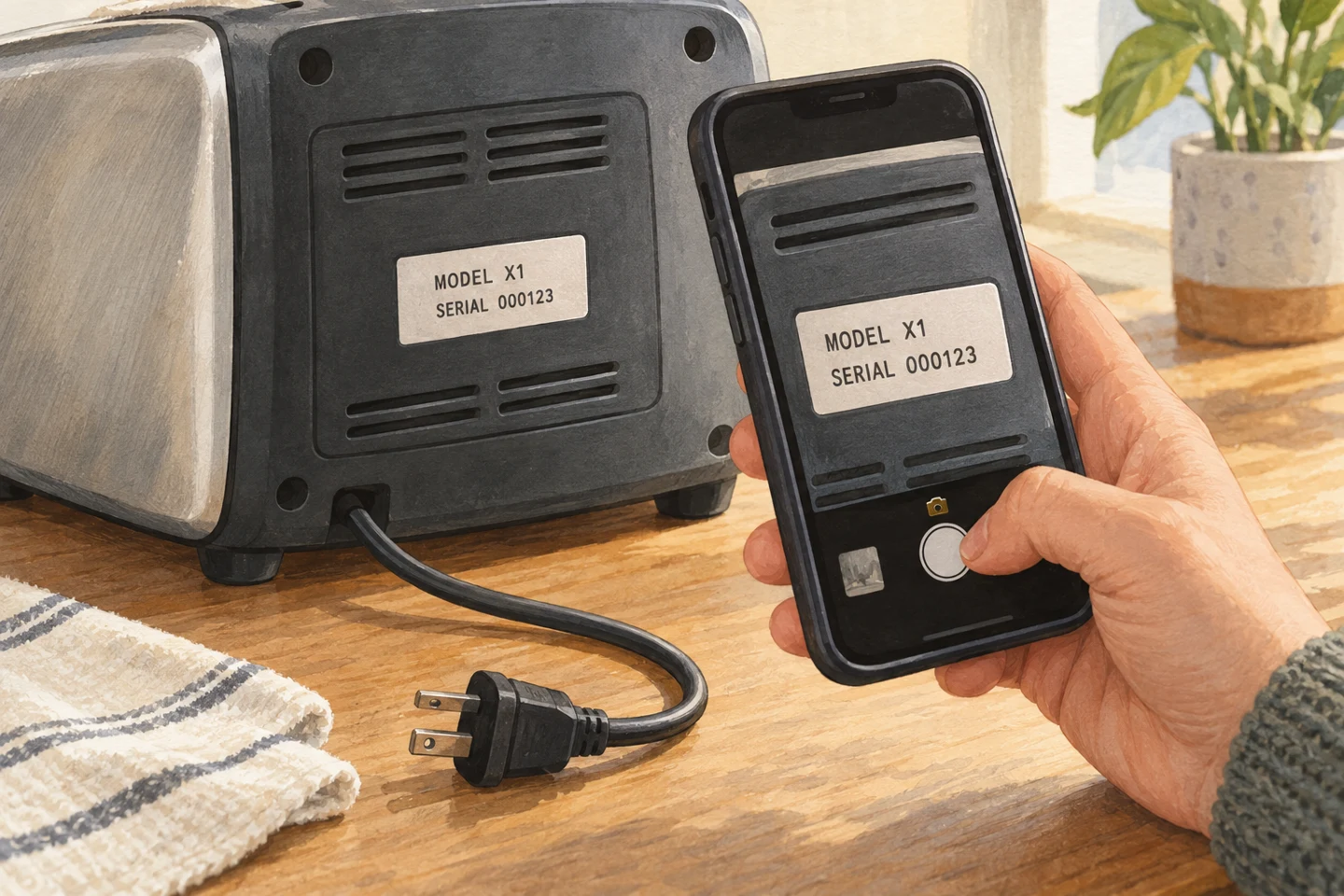
A useful label record connects readable identifiers with the right device and distinguishes a model description from a number identifying an individual example.
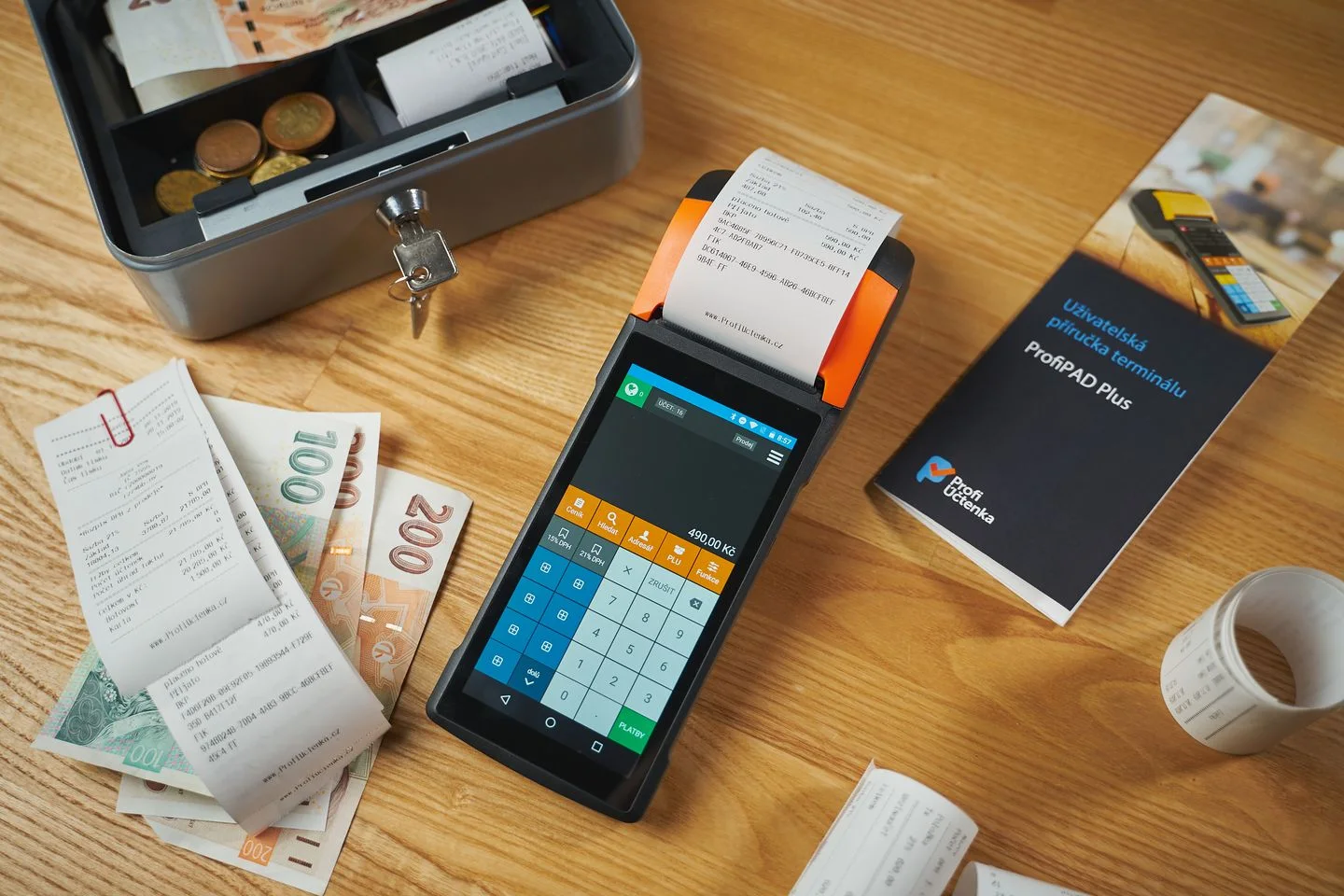
A purchase record is more useful when the relevant objects, changes, and payments are clear without assigning the same total amount to every item.
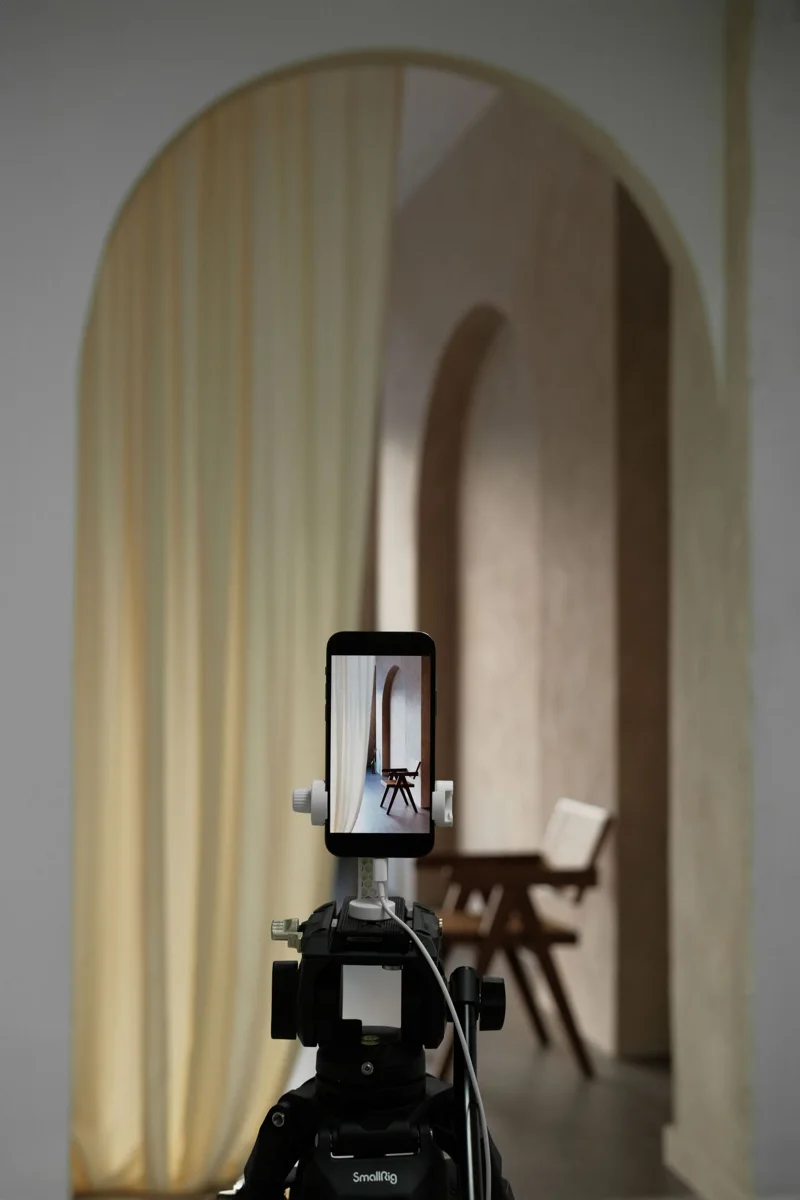
An inventory video helps recall rooms and belongings when it is filmed steadily and connected with individual descriptions and supporting records.
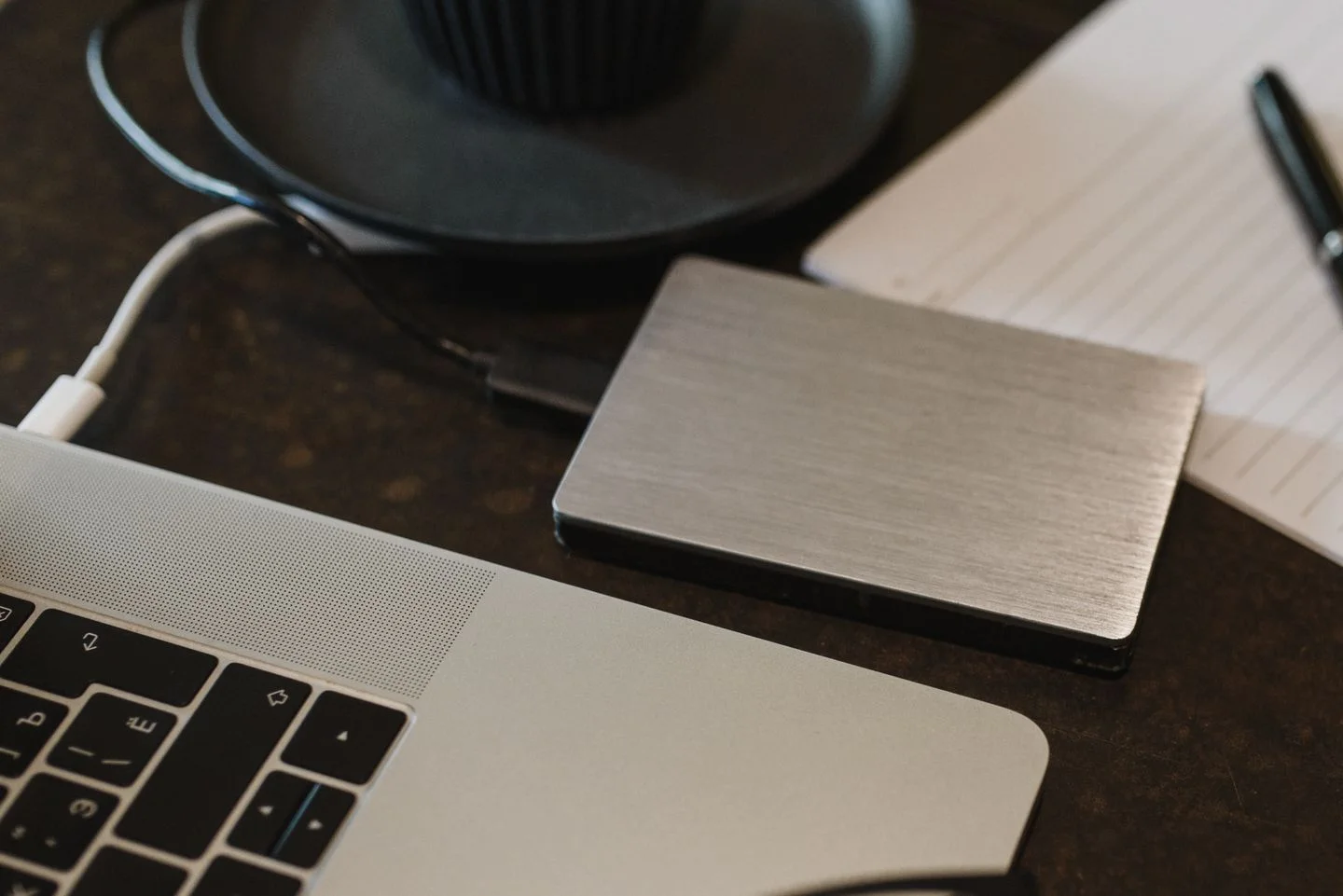
A second copy is useful when the list, photographs, and supporting files remain accessible beyond the original device.
An ownership field helps explain why objects in one home do not all belong to the same person.
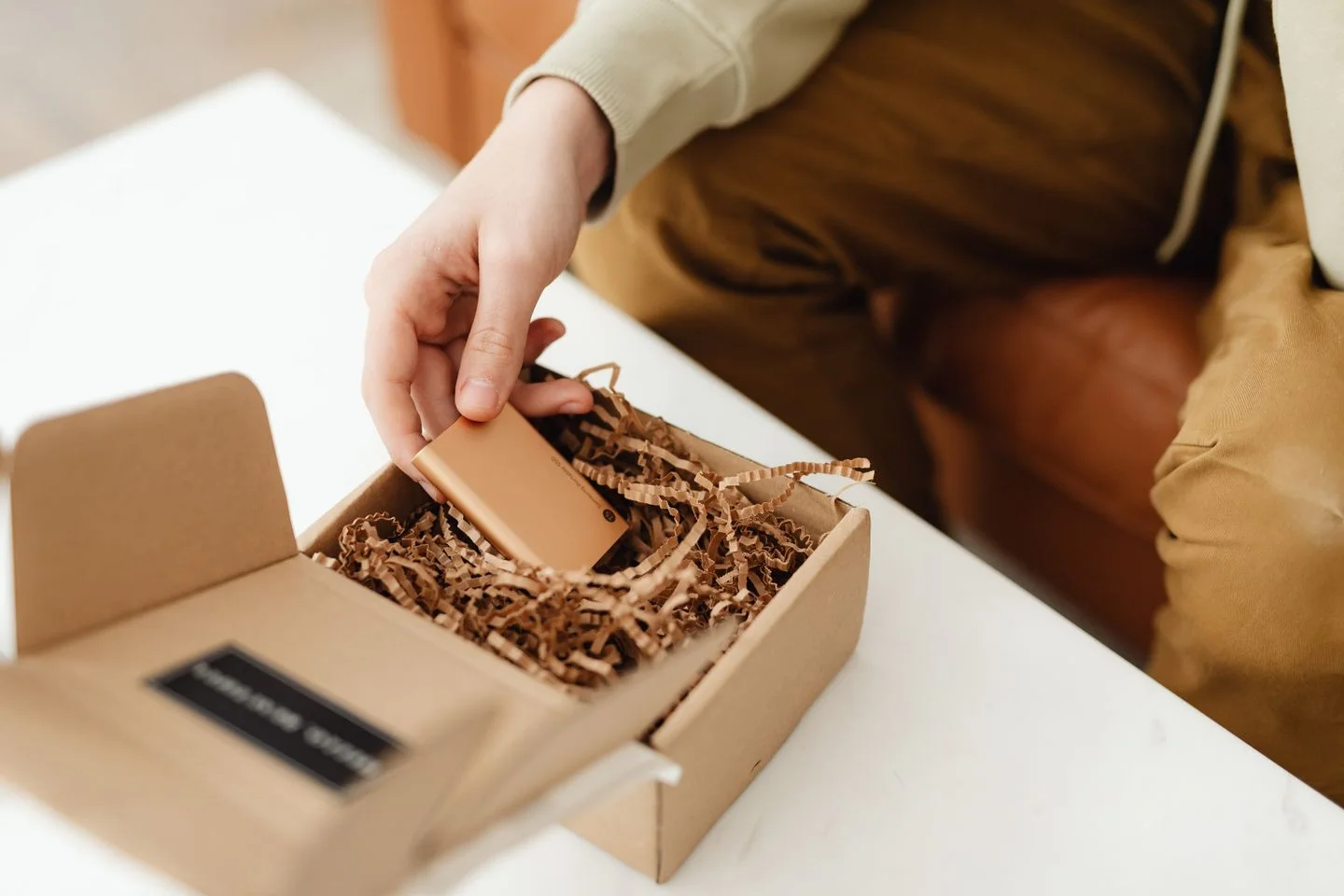
A current inventory shows new arrivals while explaining which older entries no longer describe the household.
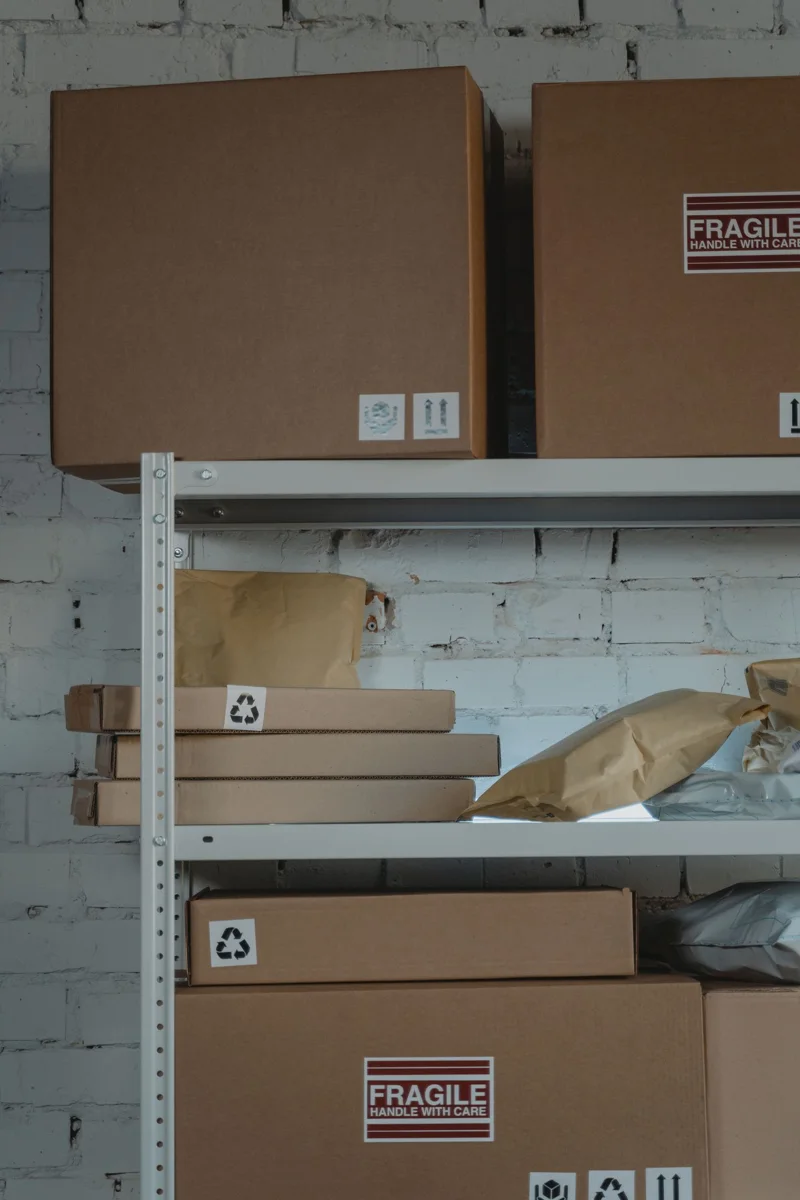
Box references connect stored objects with their descriptions without requiring every container to be opened repeatedly.