The essentials
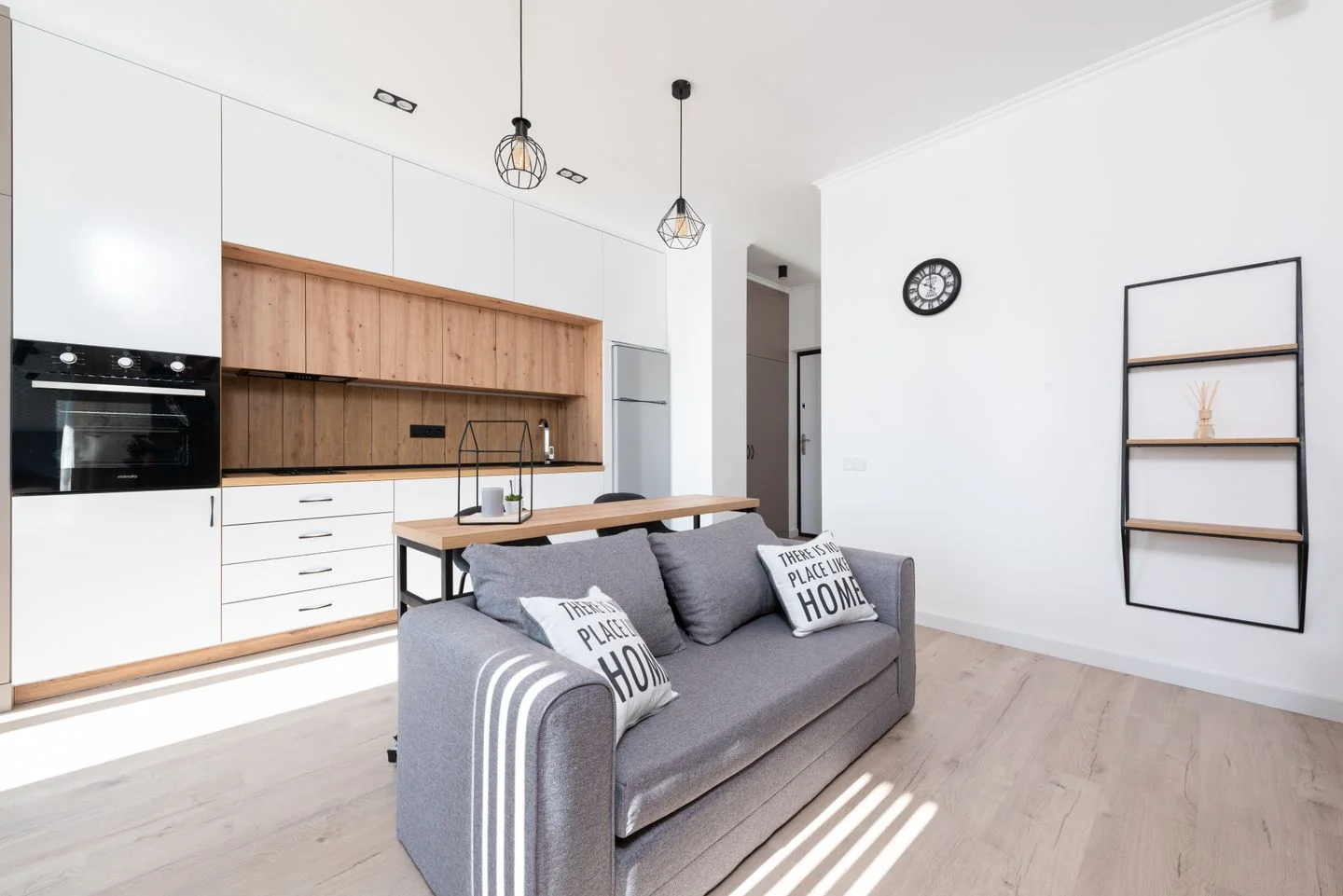
Contents or buildings: freestanding and built-in kitchen appliances
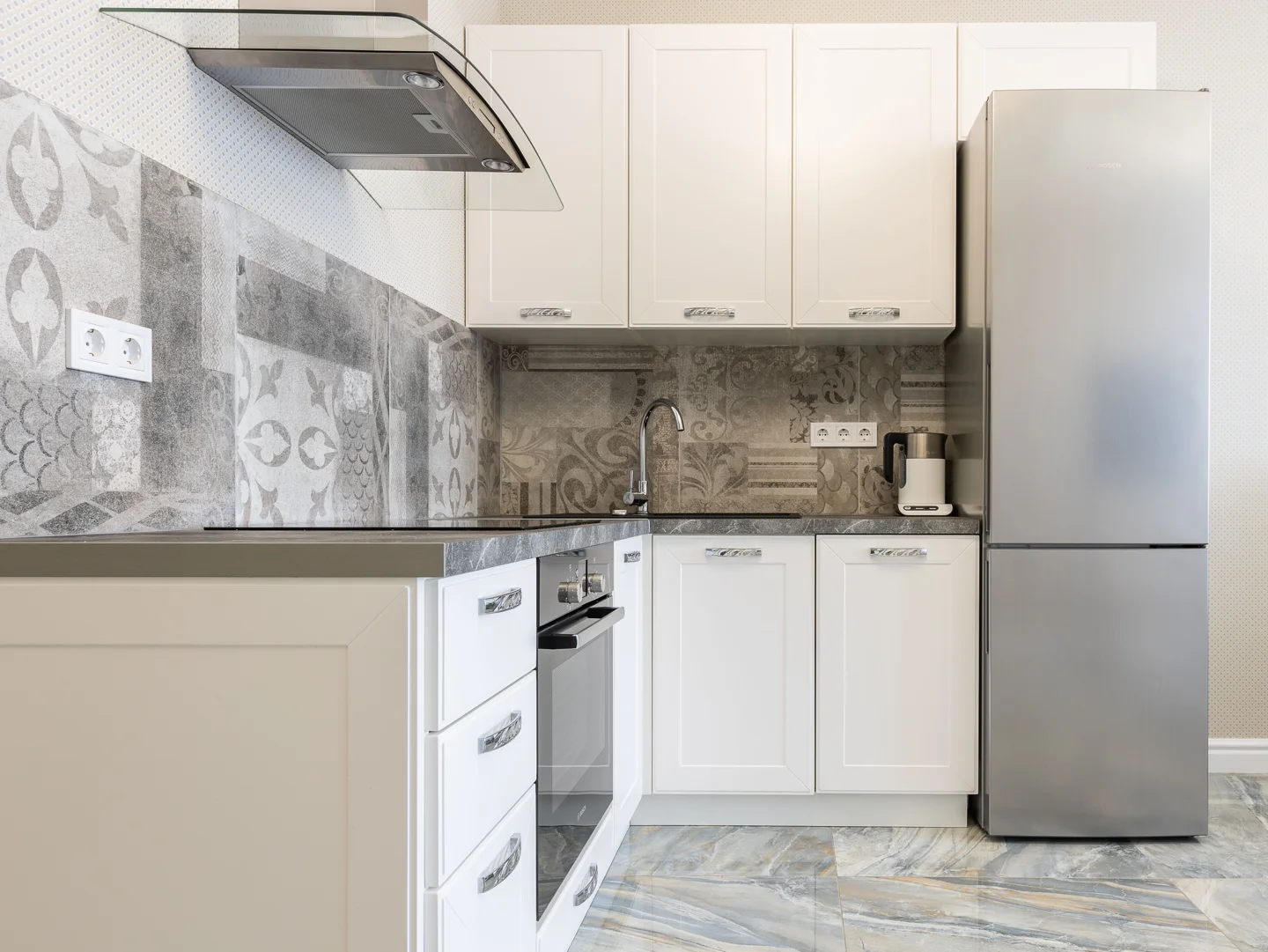
Use a freestanding fridge and a built-in oven to examine the boundary between belongings, building components and the wording of a policy.
Terms, amounts and the boundaries of a policy.
Use a freestanding fridge and a built-in oven to examine the boundary between belongings, building components and the wording of a policy.
An object, an event and a loss amount are separate parts of an assessment.
Compare event wording and exclusions rather than relying only on a package name.
An excess belongs to the calculation of a covered loss rather than proving that the event is insured.
An insured amount needs a picture of the whole household rather than only its most memorable purchases.
An underinsurance guarantee has a specific purpose and does not replace the remaining policy conditions.
Purchase price, replacement value and current value can be three different figures.
A depreciation table assists valuation without independently deciding whether damage is insured.
A repair proposal and a replacement proposal answer different questions about the same damaged object.
A limit for jewellery or another category differs from the overall contents amount.
The address on a schedule begins a location enquiry rather than describing every place where your belongings are kept.
The policyholder and other insured persons are not automatically the same group as everyone present in the home.
Borrowed equipment needs an ownership, use and location description alongside the policy wording.
For belongings with personal and business uses, purchase, ownership and purpose are separate questions.
An everyday word may receive a more precise contractual meaning than it has in conversation.
A summary, a personal schedule and full wording each perform a different reading task.
An exclusion concerns something outside cover; a maximum concerns a ceiling within a relevant arrangement.
The moment you discover damage does not automatically establish how quickly it developed.
Existing signs of use and new damage each deserve their own description.
Photographs and payment records can support different facts without creating insurance cover by themselves.
The same spilled drink raises a different question when the laptop belongs to you or to somebody else.
Taking an item elsewhere changes the location question even when ownership and use remain unchanged.
A drinking glass and a window pane share a material without necessarily sharing an insurance classification.
A prevention tip, a discount and a mandatory endorsement may mention the same measure for different reasons.